
10 Daily Operational Challenges Faced by Indian Salon Owners
Author
DINGGDate Published
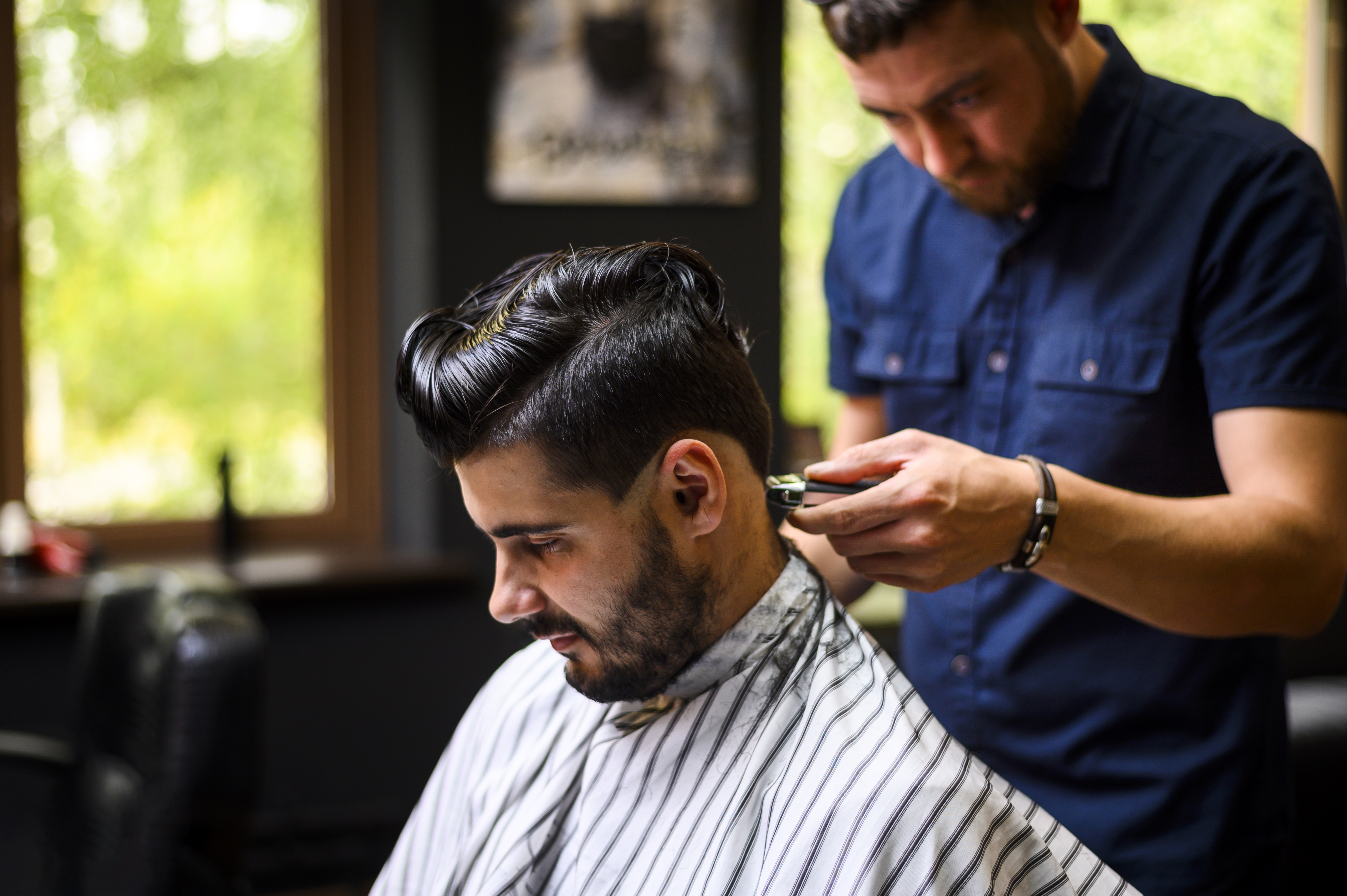
It was 6:47 PM on a Diwali Saturday when Rajesh, a salon owner in Pune, watched his third ₹4,500 bridal client walk out—double-booked into the same chair as a routine haircut. His WhatsApp booking "system" had failed him again. His stylist was furious about a commission dispute from the morning. And somewhere in the back room, ₹8,000 worth of Korean hair dye was expiring because nobody updated the Excel sheet.
That's not a horror story. That's a Tuesday for most independent Indian salon owners running on manual ops.
By the end of this guide, you'll have a phase-by-phase system to diagnose and fix the 10 most common operational failures bleeding Indian salons dry—without needing an MBA or a six-figure tech budget.
Before You Start: The 60-Second Readiness Check
You need three things locked down before any of this works:
- A smartphone with WhatsApp Business installed (not regular WhatsApp—the Business version is free and has auto-reply features).
- Your last 30 days of booking data in any form—notebook, WhatsApp chats, Excel, napkin scribbles. Anything.
- One honest staff member willing to pilot-test changes with you for two weeks.
Stop/Go test: Can you name your salon's single biggest revenue leak right now—in one sentence? If yes, keep reading. If no, spend 20 minutes reviewing last month's cash flow first.
Phase 1: Kill the Ghost Bookings (No-Shows & Dead Chair Time)
No-show rates hit 30-32% during peak seasons for Indian salons. That's not a stat I pulled from thin air—it translates to roughly ₹7,200 per day in lost revenue for a salon handling 20 bookings. Over a month, you're staring at ₹1.8 lakh evaporating from chairs that sit empty.
What to do right now:
Set up automated reminders through WhatsApp Business—24 hours before and 2 hours before each appointment. This alone cuts no-shows by ~20%. If you're still managing bookings through a WhatsApp group chat, you're essentially running air traffic control with sticky notes.
Visual checkpoint: When your salon booking software is working correctly, every confirmed appointment shows a green "Reminder Sent" badge. No red overlaps. No manual notes scribbled in margins. If you check 10 recent bookings and find 2+ that required manual follow-up, your scheduling is still dirty.
The friction nobody talks about: About 20% of clients have phone opt-out settings that block automated messages. The weird community fix? Create a "ghost client" dummy booking each week to test whether your reminders are actually firing. Sounds paranoid. Works every time.
Phase 2: End Commission Disputes Before They End Your Team
Here's something I've seen destroy salon culture faster than anything else: verbal service logging. A stylist does a premium blowout, the front desk records it as a basic styling, and suddenly you've got a commission dispute that poisons the entire team for weeks.
70% of Indian salons lack any form of staff productivity tracking. That number is wild when you consider that commission fights are the #1 reason stylists leave independent salons.
The fix that actually sticks:
Implement per-service logging where the stylist themselves confirms the service—ideally through a salon management software dashboard, but even a timestamped photo mid-service works as a stopgap. One salon owner in Hyderabad told me his team started taking "service selfies" with clients (with permission) as proof. Clunky? Sure. But his commission disputes dropped to near-zero in three weeks.
Visual checkpoint: Your staff dashboard should show a real-time "Service Contribution" breakdown per stylist—green numbers for confirmed services, red flags for discrepancies. If your daily revenue log doesn't match app totals within ₹100, you've got under-reporting happening.
Verification: Pull a random staff report. If 80%+ of slots are filled during peak hours, you're in good shape. Below 60%? You've got a productivity ghost hiding in your schedule.
Phase 3: Plug the Inventory Leak

Manual inventory tracking leaks roughly ₹15,000 per month for the average Indian salon. That's expired products, overstocked items nobody uses, and the slow bleed of shrinkage that Excel spreadsheets simply can't catch during rush hours.
Do this:
Migrate to digital inventory with real-time low-stock alerts. Start simple—even a Google Sheets setup with an expiry-date color-coding system beats guessing. The goal is seeing an orange "Low Stock Alert" banner before you run out of your bestselling serum on a Saturday afternoon.
Verification: Spot-check 5 inventory items. If app quantity matches physical count, you're good. Variance above 10%? You've got a shrinkage leak that needs a weekly physical audit, synced to your alert system.
Phase 4: Tame the Walk-In vs. Booking Chaos
Balancing walk-ins vs. bookings is the operational tightrope every Indian salon owner walks daily. Too many reserved slots and your chairs sit empty during lulls. Too many walk-in allowances and your booked clients wait 40 minutes, furious.
The approach that works in Tier 2/3 cities: Color-code your scheduling slots. Red means overlap risk. Blue means walk-in buffer. Green means confirmed booking. This visual system works whether you're using a salon appointment app or a paper diary—though (I know, I keep saying this) paper diaries are why peak season overlap costs salon owners ₹4,500+ clients regularly.
Phase 5: Fix GST Filing Before It Fixes You
Excel-based GST filing errors cost one salon owner I spoke with ₹10,000 in penalties in a single quarter. The issue isn't laziness—it's that manually exporting service data into GSTR-3B format is genuinely error-prone when you're also managing walk-ins, staff, and inventory.
The move: Use salon software with native GST compliance that auto-generates payroll-ready reports. If your current system can't export directly to GSTR-3B format, you're paying a hidden "manual tax" every quarter in accountant fees and penalty risk.
Ready to stop bleeding revenue from manual ops? DINGG Salon Software handles automated reminders, staff commission tracking, digital inventory, and GST-ready reports from a single dashboard—built specifically for Indian salon owners who need to see ROI fast, not learn enterprise software. Explore DINGG's salon management features
The Ugly Truth: Ghost Errors That Official Guides Won't Mention
Here's what nobody puts in the product manual—the messy, real-world failures that come from community forums and owner WhatsApp groups:
Problem
The Weird Fix
Why It Works
Double-booked slots from WhatsApp chaos
Staff "confirmation poll" in WhatsApp group before each shift
Forces manual verification of auto-sync gaps
No-show spikes despite reminders
Weekly "ghost client" dummy bookings to test reminder delivery
Catches opt-out blocks and API failures early
Commission under-reporting
Mandatory timestamped stylist selfies mid-service
Creates undeniable service proof without complex logging
Inventory expiry losses
Physical shelf color-coding by expiry month
Visual urgency beats digital alerts during rushes
Staff attendance disputes before payroll
Shared Google Calendar with photo-proof "punches"
Low-tech verification that works even with resistant staff
The messy first 60 days of any system change are normal. No-shows typically drop within 30 days of setting up automated reminders. Full staff transparency takes about 60 days. Real ROI compounds around the 6-month mark when loyalty workflows start driving 10-15% repeat growth.
FAQs
How quickly do automated reminders reduce no-shows?
Most salons see a measurable drop within 30 days—roughly 20% fewer no-shows. The key is consistent WhatsApp Business auto-reminders at 24-hour and 2-hour intervals. That alone can recover ₹1.8 lakh monthly for a 20-booking-per-day salon running a proper salon booking system.
Why do commission disputes persist even with written logs?
Written logs still rely on front-desk accuracy. The real fix is stylist-confirmed, timestamped service entries—either through a hair salon software dashboard or photo-based proof. The person doing the service needs to be the person logging it.
How do I reduce inventory shrinkage without hiring extra staff?
Weekly physical audits synced to digital inventory alerts catch the 10%+ variance that manual tracking misses. Color-code shelves by expiry date for instant visual triage during busy hours. Salons using this method report cutting ₹15,000/month in waste.
What's the real timeline for seeing ROI from salon software?
Expect 30 days for no-show reduction, 60 days for staff transparency, and 6 months for compounding loyalty-driven revenue. The first 60 days feel chaotic—that's normal. Stick with it past the friction point where most owners give up.
India's premium grooming segment is growing 10-15% annually, with 240 million grooming enthusiasts driving demand into Tier 2 and Tier 3 cities. The salons that survive this growth won't be the ones with the fanciest chairs—they'll be the ones that stopped losing ₹2.15 lakh per month to operational chaos.
Your next step: If manual ops are still eating your margins, see how DINGG automates daily salon operations — from booking to payroll to GST, in one place.