
How Scheduling Blind Spots Kill Profitability in High-End Dubai Spas
Author
AkshayDate Published

I'll never forget the moment I realized we were leaving money on the table—literally thousands of dirhams every single week.
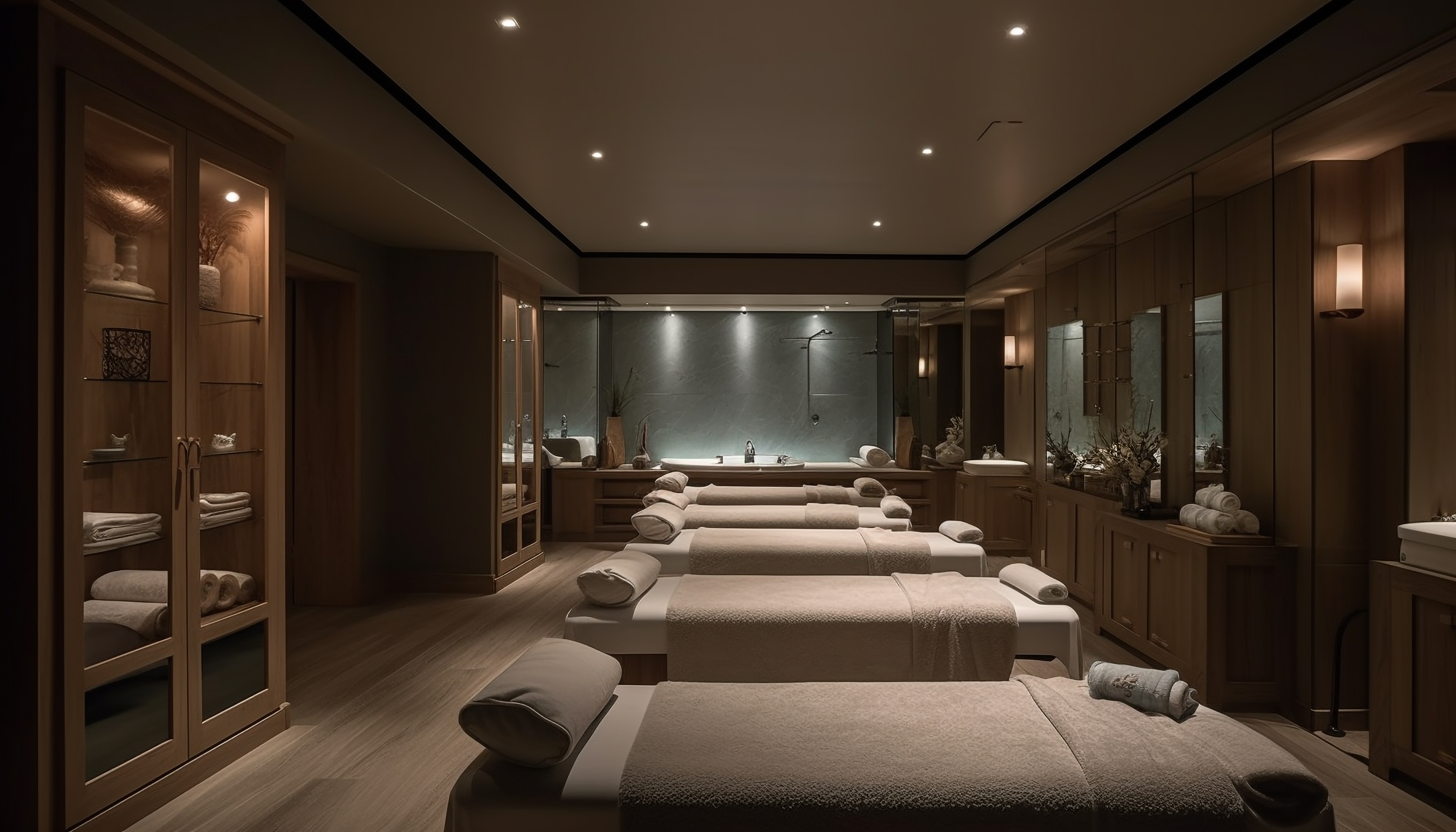
It was a Thursday afternoon at a luxury spa I was consulting for in Jumeirah. The reception area was buzzing with guests waiting for their 4 PM appointments. Meanwhile, I walked past three completely empty treatment rooms. When I checked the schedule, I saw two therapists sitting in the break room scrolling through their phones while another was restocking supplies—all perfectly capable of taking clients, all technically "on the clock."
The spa director looked exhausted. "We're fully booked during peak hours," she insisted, showing me the afternoon slots packed solid from 2 to 7 PM. But when I asked to see the morning schedule, her face fell. From 9 AM to noon, the same expensive treatment rooms that were overflowing in the afternoon sat mostly empty. The math was brutal: four treatment rooms, three hours, six days a week—that's 72 hours of potential revenue just... evaporating.
Here's what frustrated me most: this wasn't a marketing problem or a pricing issue. The spa had plenty of demand. This was a scheduling blind spot—invisible gaps in how appointments were distributed throughout the day that were silently draining profitability.
If you're a spa director or general manager reading this, I'm going to walk you through exactly how to calculate your current utilization rate, identify where these blind spots are hiding in your schedule, and implement fixes that can add tens of thousands of dirhams to your bottom line within weeks. No fancy consultant fees required—just clear metrics and practical adjustments you can start today.
What Exactly Are Scheduling Blind Spots in High-End Spas?
Scheduling blind spots are the hidden inefficiencies in your appointment calendar that create gaps between what your spa could be earning and what it actually earns. They're called "blind spots" because they're rarely obvious when you're just looking at a busy afternoon schedule or handling walk-in clients.
Think of it this way: your treatment rooms and therapists are your most expensive assets. Every hour a room sits empty or a therapist waits idle is an hour you've already paid for in rent, utilities, and salaries—but generated zero revenue from. These blind spots show up as scattered appointments with 30-minute gaps, uneven distribution across the day, therapists with wildly different booking rates, or prime treatment rooms that somehow get overlooked during scheduling.
The challenge in Dubai's high-end spa market is particularly acute because your fixed costs are astronomical—premium locations, luxury finishes, highly trained therapists—but your revenue window is limited by operational hours. You can't just "make up" a lost morning by working later; you need every available hour working for you.
How Do Scheduling Blind Spots Actually Kill Profitability in Practice?
Let me show you the real math, because this is where it gets uncomfortable.
A typical high-end spa in Dubai might have four treatment rooms, open 10 hours a day, six days a week. That's 240 treatment hours available weekly. If you're charging an average of AED 450 per treatment hour (conservative for Dubai's luxury market), your theoretical maximum weekly revenue from treatment rooms alone is AED 108,000—or roughly AED 5.6 million annually.
Now here's the gut-punch: most spas I've worked with operate at 40-60% treatment room utilization[1]. Let's say you're at 45%. You're generating AED 48,600 weekly instead of that theoretical maximum. That's a AED 59,400 weekly gap—or AED 3.09 million annually—between what you could earn and what you do earn.
But wait, it gets worse. Small percentage changes have massive financial consequences. Research shows that a 1% increase in utilization can add $50,000-$75,000 in annual revenue[4] for an average spa. In Dubai's market with higher treatment prices, that figure climbs even steeper.
Here's how these blind spots manifest day-to-day:
Morning dead zones: Your 9-11 AM slots consistently run at 20-30% capacity while afternoons are packed. You're paying full operational costs for those morning hours—DEWA bills, staff salaries, facility maintenance—but generating minimal revenue.
Therapist utilization mismatches: One senior therapist is booked at 80% capacity (dangerously close to burnout territory) while another equally skilled therapist sits at 45% because of poor schedule distribution or client preferences that aren't being actively managed.
Buffer time bloat: Someone set 20-minute buffers between treatments "just in case," but most treatments finish on time. Those buffers add up to 15-20 lost appointment slots weekly.
Cancellation cascade: A client cancels at 10 AM for their 2 PM appointment. By the time your front desk tries to fill it, the slot stays empty because you don't have systems to automatically offer it to waitlisted clients or send targeted "last-minute availability" messages.
I tracked this once for a spa in DIFC over a month. They had 47 cancellations. Only 12 were filled. That's 35 empty slots at an average AED 650 per treatment—AED 22,750 in lost revenue in just 30 days, from cancellations alone.
The Compounding Effect on Fixed Costs
Here's what makes this particularly painful: your fixed costs don't change whether a room is used or empty.
Let's break it down. Say your monthly fixed costs (rent, utilities, base salaries, equipment depreciation) are AED 180,000, and you deliver 400 treatments that month. Your fixed cost per treatment is AED 450. But if you improve utilization by just 10% and deliver 440 treatments with the same fixed costs, your cost per treatment drops to AED 409—a AED 41 saving per treatment that flows straight to your bottom line as increased profit margin.
This is why therapist utilization rates above 75% suggest you need to hire more staff[3], but rates below 60% mean you're overstaffed or under-scheduled. Finding that sweet spot—usually 65-75% for therapists, 50-60% for treatment rooms—is where profitability lives.
Why Do These Blind Spots Exist in High-End Dubai Spas?
After working with dozens of spas across Dubai, I've identified five recurring culprits:
1. Legacy scheduling habits
Many spas still use booking practices designed for lower-volume operations. Receptionists manually write appointments in a physical book or basic digital calendar without real-time visibility into utilization patterns. There's no system flagging that Room 3 has been empty all morning or that Therapist Sarah has only two bookings while Therapist Maya is triple-booked.
2. No real-time data visibility
I once asked a spa manager, "What's your current treatment room utilization rate?" She paused. "I'd have to calculate that manually... maybe next week?" If you're not tracking utilization daily—or ideally, hourly—you can't spot the patterns. You just feel perpetually busy during peak hours and assume that means you're optimized.
3. Cultural and operational timing mismatches
Dubai has unique demand patterns. Morning appointments are slower because many residents work traditional hours, but you've got tourists and flexible schedules you're not capturing. Evening slots fill instantly, but you close at 8 PM when you could extend to 9 or 10 PM on weekends. Peak demand typically runs afternoon through evening[2], yet many spas staff equally throughout the day.
4. Poor cross-training and specialization rigidity
You have a massage specialist who can't perform facials and a facial specialist who won't do body treatments. When a massage client cancels, that therapist sits idle even though there's demand for facials—because they "don't do that." This rigidity creates artificial capacity constraints.
5. No proactive gap-filling protocols
When gaps appear—cancellations, no-shows, or simply slow periods—there's no automatic system to fill them. No dynamic pricing to incentivize off-peak bookings. No waitlist management. No "flash availability" alerts to your client base. The gap just... stays empty until the next pre-scheduled appointment.
How to Calculate Your Current Utilization Rate (Step-by-Step)
Alright, let's get practical. You need to know where you stand before you can improve. Here's exactly how to calculate your utilization rates—I promise it's simpler than it sounds.
Treatment Room Utilization
Step 1: Define your available hours
Count your treatment rooms and multiply by operational hours.
Example: 4 treatment rooms × 10 hours/day × 6 days/week = 240 available treatment hours weekly.
Step 2: Track booked hours
Pull your actual appointment data for the same period. Count only the treatment time, not buffers or prep.
Example: Last week you delivered 108 hours of actual treatments.
Step 3: Calculate the ratio
Treatment Room Utilization = (Booked Treatment Hours ÷ Available Treatment Hours) × 100
Example: (108 ÷ 240) × 100 = 45% utilization
The Spa Utilization Ratio (SUR) formula[1] is exactly this—how much of your available treatment space you're actually selling.
Therapist Utilization Rate
Step 1: Calculate available therapist hours
Count therapists × scheduled shift hours (not including breaks).
Example: 6 therapists × 8 hours/day × 6 days/week = 288 available therapist hours weekly.
Step 2: Track billable hours worked
Pull timesheet data showing actual treatment hours delivered (hands-on client time).
Example: Last week therapists delivered 195 billable treatment hours.
Step 3: Calculate the ratio
Therapist Utilization = (Billable Hours ÷ Available Hours) × 100
Example: (195 ÷ 288) × 100 = 67.7% utilization
Healthy therapist utilization runs 65-75%[3]; above 75% you risk burnout, below 60% you're likely overstaffed or poorly scheduled.
Breaking It Down Further (This Is Where the Gold Is)
Don't stop at weekly averages. Segment your data:
- By time of day: Calculate utilization for morning (9 AM-12 PM), afternoon (12-4 PM), and evening (4-8 PM) blocks separately. You'll quickly see where the gaps hide.
- By day of week: Thursday-Saturday might run at 70% while Sunday-Tuesday languish at 35%.
- By therapist: Identify if utilization variance is due to skill level, client preference, or simply scheduling inequity.
- By treatment room: Sometimes one room gets overlooked because it's slightly farther from reception or doesn't have a specific feature clients want.
I recommend tracking this in a simple spreadsheet updated weekly. It takes about 15 minutes once you set up the template, and the insights are game-changing.
What Are the Main Benefits of Fixing Scheduling Blind Spots?
When you systematically address these gaps, three major benefits compound quickly:
1. Direct revenue increase without new client acquisition
You're not spending more on marketing or discounting to attract new clients. You're simply filling existing capacity with the demand you already have or can easily generate from your current client base. A 10% improvement in utilization can translate to hundreds of thousands of dirhams annually[4] in additional revenue—with minimal incremental cost since your fixed expenses remain constant.
2. Improved therapist morale and retention
When schedules are balanced, therapists aren't sitting idle feeling unproductive (which hurts morale and tips) or overworked to the point of burnout. Turnover in high-end spas is expensive—recruiting, training, and lost productivity during ramp-up. Better utilization means more consistent workload, better earnings for commission-based therapists, and higher job satisfaction.
3. Enhanced guest experience and reduced wait times
Optimized scheduling means fewer bottlenecks during peak times. Guests aren't waiting 20 minutes past their appointment time because the previous treatment ran over due to poor buffer planning. You can accommodate more guests during their preferred times, increasing satisfaction and repeat bookings.
When Should You Prioritize Fixing Scheduling Blind Spots?
Here's when this becomes urgent:
- Your treatment rooms regularly sit empty during operational hours, yet you're turning away clients during peak times or weekends.
- Therapists have visibly uneven workloads—some are slammed while others are bored—and it's causing tension or turnover.
- Your revenue has plateaued despite steady or growing marketing efforts. You're generating leads but can't convert them into appointments during available slots.
- Fixed costs are rising (rent increases, salary adjustments) but revenue isn't keeping pace, squeezing margins.
- You're considering hiring more therapists or expanding space but haven't optimized what you already have. (Spoiler: optimization is way cheaper than expansion.)
Honestly? If your utilization is below 50% for treatment rooms or below 60% for therapists, this should be your top operational priority. The ROI is immediate and measurable.
Immediate Fixes You Can Implement This Week
Let me give you the quick wins—changes that require minimal investment but yield fast results.
Fix #1: Audit Your Buffer Times
Walk through your schedule and identify buffer time between appointments. Are you building in 15-20 minutes "just in case"?
Action: Reduce buffers to 10 minutes for standard treatments, 15 for complex ones. Track how often treatments actually run over. Most spas discover they're over-buffering by 30-40%, which translates to multiple lost slots daily.
Fix #2: Implement a Morning Incentive
Your mornings are probably slow. Instead of leaving them empty, offer a targeted 15-20% discount for appointments booked before noon.
Action: Send a weekly email to your client base: "Beat the rush—book Monday-Wednesday mornings this week and save 20%." Promote it on your Instagram stories. Dynamic pricing during low-demand periods[4] is standard practice in hospitality; spas should adopt it too.
Fix #3: Create a Rapid-Fill Cancellation Protocol
Right now, when someone cancels, your receptionist probably makes a few phone calls and then gives up.
Action: Build a waitlist of clients who want popular time slots. When a cancellation happens, send an immediate SMS blast to the waitlist: "Last-minute opening today at 3 PM for [treatment]—reply YES to book." First to respond gets it. I've seen spas fill 60-70% of cancellations this way.
Fix #4: Balance Therapist Schedules Actively
Pull last month's data and calculate utilization by therapist. If there's more than a 15% variance between your highest and lowest, you have a scheduling equity problem.
Action: Rotate prime time slots among therapists. If Sarah always gets the coveted 4-6 PM slots and Maya gets mornings, swap them every other week. Also, market less-booked therapists specifically: "Meet Maya—she's a specialist in deep tissue and has immediate availability."
Fix #5: Cross-Train Your Team
Specialization is valuable, but inflexibility kills utilization.
Action: Identify your top three most-requested treatments. Ensure at least 70% of your therapists can deliver them competently. This doesn't mean everyone does everything—but enough overlap that a massage cancellation doesn't leave a massage-only therapist idle when there's facial demand.
Fix #6: Extend Hours Strategically
If your Thursday-Saturday evenings are consistently at 80%+ utilization and you're turning people away, you have unmet demand.
Action: Pilot extended hours—stay open until 9 or 10 PM on your busiest days. Track whether the incremental revenue (minus the additional labor cost for those hours) justifies it. Often, it does, especially in Dubai where people dine late and are active in the evenings.
What Mistakes Should You Avoid When Optimizing Spa Scheduling?
I've watched spas stumble in predictable ways. Here's what not to do:
Mistake #1: Chasing 100% utilization
Sounds great in theory, impossible and damaging in practice. Treatment room utilization above 70% is rare and often unsustainable[1]. You need buffer capacity for walk-ins, service recovery, equipment issues, and therapist breaks. Pushing therapists past 75% utilization leads to burnout, mistakes, and turnover. Aim for 50-60% room utilization and 65-75% therapist utilization as your healthy targets.
Mistake #2: Ignoring therapist input
Your therapists know which treatments pair well, which clients are difficult, and where schedule friction occurs. When you optimize purely from a spreadsheet without consulting them, you create schedules that look efficient on paper but are miserable to execute. Involve your team in the process.
Mistake #3: Over-discounting to fill gaps
Yes, dynamic pricing helps, but if you're constantly slashing prices 30-40% to fill slow periods, you're training clients to only book during discount windows and devaluing your brand. Better approach: offer value-adds (complimentary add-on service, extended treatment time) rather than steep discounts.
Mistake #4: Failing to track the impact of changes
You implement a new scheduling protocol but don't measure whether it actually improved utilization or revenue. Without tracking, you can't distinguish what works from what doesn't. Set a baseline, make one change at a time, and measure results over 4-6 weeks before layering on additional changes.
Mistake #5: Using outdated scheduling tools
If your receptionist is still manually writing appointments in a book or using a basic shared calendar, you're flying blind. You need real-time visibility, automated reminders to reduce no-shows, and reporting that shows utilization trends. Modern scheduling software can reduce no-shows by up to 30%[3] through automated SMS and email reminders alone.
How Advanced Spas Are Using Technology to Eliminate Blind Spots
The spas I've seen make the biggest leaps don't just tweak schedules manually—they implement systems that surface blind spots automatically and enable proactive management.
Here's what best-in-class looks like:
Real-time utilization dashboards: Imagine opening your phone and seeing a live view of today's schedule with utilization percentages by hour, therapist, and room. Green for healthy utilization, yellow for underutilized, red for gaps. You can spot and address problems before the day is over, not weeks later when reviewing reports.
Predictive analytics: Some platforms analyze historical booking patterns and predict when you'll have low utilization, then proactively suggest actions—send a promotion, adjust staffing, open additional availability during high-demand windows.
Automated waitlist and gap-filling: When a cancellation occurs, the system instantly notifies waitlisted clients via SMS or app notification. First to respond books the slot. No manual receptionist calls required.
Dynamic scheduling optimization: Advanced systems suggest optimal appointment placement based on therapist availability, treatment type, and room suitability—reducing manual scheduling errors that create gaps.
Integrated marketing triggers: If your Monday mornings consistently run at 30% utilization, the system can automatically trigger targeted email or SMS campaigns offering incentives for those specific time slots.
Now, I'm not saying you need all of this on day one. But if you're serious about maximizing profitability in a competitive market like Dubai, investing in scheduling technology isn't optional—it's foundational. The ROI is typically measured in weeks, not months.
For example, platforms like DINGG offer AI-powered scheduling specifically built for spas and salons, with features like real-time utilization tracking, automated reminders (which alone can cut no-shows significantly), and integrated CRM to help you target clients for gap-filling campaigns. The difference between managing scheduling manually versus having a system that surfaces blind spots automatically is the difference between guessing and knowing—and in a market where every percentage point of utilization translates to thousands in revenue, knowing wins.
Building a Culture of Utilization Awareness
Here's something I learned the hard way: you can have the best systems in the world, but if your team doesn't understand why utilization matters or feel invested in improving it, nothing changes.
I started holding brief weekly "utilization huddles" with spa teams—10 minutes, every Monday morning. We'd review last week's numbers: overall utilization, best-performing days, biggest gaps, therapist variance. Then we'd celebrate wins ("We filled 8 out of 9 cancellations last week—amazing!") and problem-solve challenges ("Tuesday mornings are still slow; any ideas?").
What surprised me was how quickly therapists became proactive. They'd suggest swapping shifts to cover high-demand periods, propose new treatments to attract morning clients, or volunteer to take on a last-minute booking that would otherwise go unfilled. When people understand how their individual actions impact the business—and when they benefit from improved performance through commissions or bonuses—they become part of the solution.
Action: Share your utilization metrics with your team monthly. Explain what the numbers mean in terms of business health and job security. Tie performance incentives to team-wide utilization improvements, not just individual sales. Build a culture where everyone owns the schedule, not just the reception desk.
Measuring Success: KPIs to Track Beyond Utilization
Utilization is your North Star, but it's not the only metric that matters. Here are the supporting KPIs I track to get a complete picture:
Revenue per available treatment hour (RevPATH): Total treatment revenue ÷ total available treatment hours. This accounts for both utilization and pricing effectiveness. You can have high utilization but low revenue if you're filling slots with low-value treatments.
Average treatment value: Total treatment revenue ÷ number of treatments. Are you upselling effectively? Encouraging longer, higher-margin treatments?
Therapist productivity: Revenue generated per therapist ÷ therapist labor cost. This tells you if you're getting ROI on your highest variable cost.
Client rebooking rate: Percentage of clients who book their next appointment before leaving. High rebooking rates smooth out scheduling and reduce marketing costs to fill slots.
No-show and cancellation rate: Ideally under 10%. Above that, you need better reminder systems or deposit policies.
Track these monthly, and you'll quickly see not just where you have blind spots, but why they exist and which interventions are working.
The Bigger Picture: Why This Matters Beyond the Spreadsheet
Look, I get it—talking about utilization rates and KPIs can feel a bit soulless when you got into the spa industry because you love wellness and hospitality, not spreadsheets.
But here's the truth: profitability isn't the opposite of great guest experiences. It's what enables them.
When your spa is financially healthy, you can invest in better training for your therapists, upgrade to premium products, maintain your facilities immaculately, and pay your team well enough that they stay and grow with you. When you're struggling because of invisible scheduling leaks, you cut corners. Service quality slips. Staff turnover climbs. Guests notice.
Fixing scheduling blind spots isn't just about squeezing more revenue from your existing capacity—though it absolutely does that. It's about building a sustainable, resilient business that can weather market fluctuations, invest in excellence, and provide the kind of elevated experiences that Dubai's luxury market demands.
Every empty treatment room during operational hours is a missed opportunity—not just for revenue, but to serve a client who would have left feeling rejuvenated and eager to return. That's what drives me: knowing that operational excellence and exceptional hospitality aren't competing goals. They're two sides of the same coin.
Frequently Asked Questions
How do I calculate my spa's treatment room utilization rate?
Divide total hours of treatments sold by total available treatment room hours over the same period, then multiply by 100. For example, if you have 4 rooms open 10 hours/day for 6 days (240 hours available) and you sold 120 treatment hours, your utilization is 50%.
What is a healthy therapist utilization rate for a luxury spa?
Between 65% and 75% is ideal. Below 60% suggests underutilization or scheduling inefficiencies. Above 75% risks therapist burnout, quality decline, and turnover, which are particularly damaging in high-end environments where service excellence is paramount.
Why do my treatment rooms sit empty during certain hours even though we're "busy"?
This typically stems from uneven demand distribution (mornings slow, afternoons packed), poor scheduling practices that don't optimize room assignments, or lack of dynamic pricing to incentivize bookings during low-demand periods. Track utilization by time block to identify specific patterns.
How can I improve utilization without overworking my therapists?
Optimize schedules to match demand peaks, cross-train therapists to increase flexibility, use technology to fill cancellation gaps quickly, implement dynamic pricing for off-peak times, and actively balance workload distribution across your team. The goal is smarter scheduling, not longer hours.
What's the financial impact of a 10% increase in treatment room utilization?
For a spa with AED 400,000 in monthly treatment revenue at 45% utilization, a 10% increase (to 55%) translates to roughly AED 88,000 in additional monthly revenue—over AED 1 million annually—with minimal incremental cost since fixed expenses remain largely unchanged.
How often should I review utilization metrics?
Daily for real-time management (identify and fill gaps immediately), weekly for tactical adjustments (staffing, promotions), and monthly for strategic planning (hiring decisions, operational changes, pricing strategy).
What's the difference between a full schedule and high utilization?
A full schedule means your available appointment slots are booked, but if those appointments are poorly distributed (long gaps, inconsistent therapist loading, rooms sitting empty while others are overbooked), your actual utilization—hours of treatment delivered vs. hours available—can still be low. High utilization means your resources are efficiently deployed throughout operational hours.
Should I extend operating hours if my peak times are fully booked?
Yes, if you're consistently at 75-80%+ utilization during specific periods and turning clients away, extending hours during those high-demand windows (e.g., staying open until 9-10 PM on weekends) typically generates positive ROI, especially in Dubai's evening-active culture.
How do I reduce no-shows that create scheduling gaps?
Implement automated SMS and email reminders 24-48 hours before appointments, require deposits or credit card holds for bookings (especially for high-value treatments), and maintain a waitlist to fill cancellations immediately. These tactics can reduce no-shows by 20-30%.
What scheduling software features are most important for luxury spas?
Real-time utilization dashboards, automated reminders, integrated waitlist management, therapist and room assignment optimization, dynamic reporting by time/therapist/treatment type, and CRM integration for targeted marketing. The system should surface blind spots automatically, not require manual analysis.
Taking the First Step
If you've made it this far, you're already ahead of most spa operators—because you recognize that scheduling isn't just an administrative task, it's a profit driver.
Here's what I want you to do this week:
- Calculate your baseline: Pull last month's data and calculate your treatment room and therapist utilization rates using the formulas I shared. Break it down by time of day and day of week. This gives you your starting point.
- Identify your biggest gap: Where is utilization lowest? Monday mornings? Specific therapists? Certain rooms? Pick the single biggest opportunity.
- Implement one fix: Choose one of the immediate fixes I outlined—reduce buffers, offer a morning incentive, create a cancellation protocol—and execute it consistently for four weeks.
- Measure the impact: Track whether your targeted utilization improved and by how much. Calculate the revenue impact. Share results with your team.
That's it. You don't need to overhaul everything at once. Small, measured improvements compound quickly.
And if you're realizing that your current scheduling tools are holding you back—that you need real-time visibility, automated reminders, and intelligent gap-filling to truly optimize—it might be time to explore purpose-built spa management platforms. DINGG's AI-powered scheduling and utilization tracking is specifically designed for spas and salons operating in competitive markets like Dubai, helping you spot and eliminate blind spots before they cost you revenue. You can start with a free trial to see how much capacity you're actually leaving on the table.
The bottom line? Your spa's profitability isn't determined by how many clients walk through the door—it's determined by how effectively you deploy your most expensive assets to serve them. Every percentage point of utilization you reclaim is money that was already yours; you just weren't capturing it.
Now you know how. Time to take it back.