New Client Retention: Stop Losing Holiday Customers
Author
AkshayDate Published
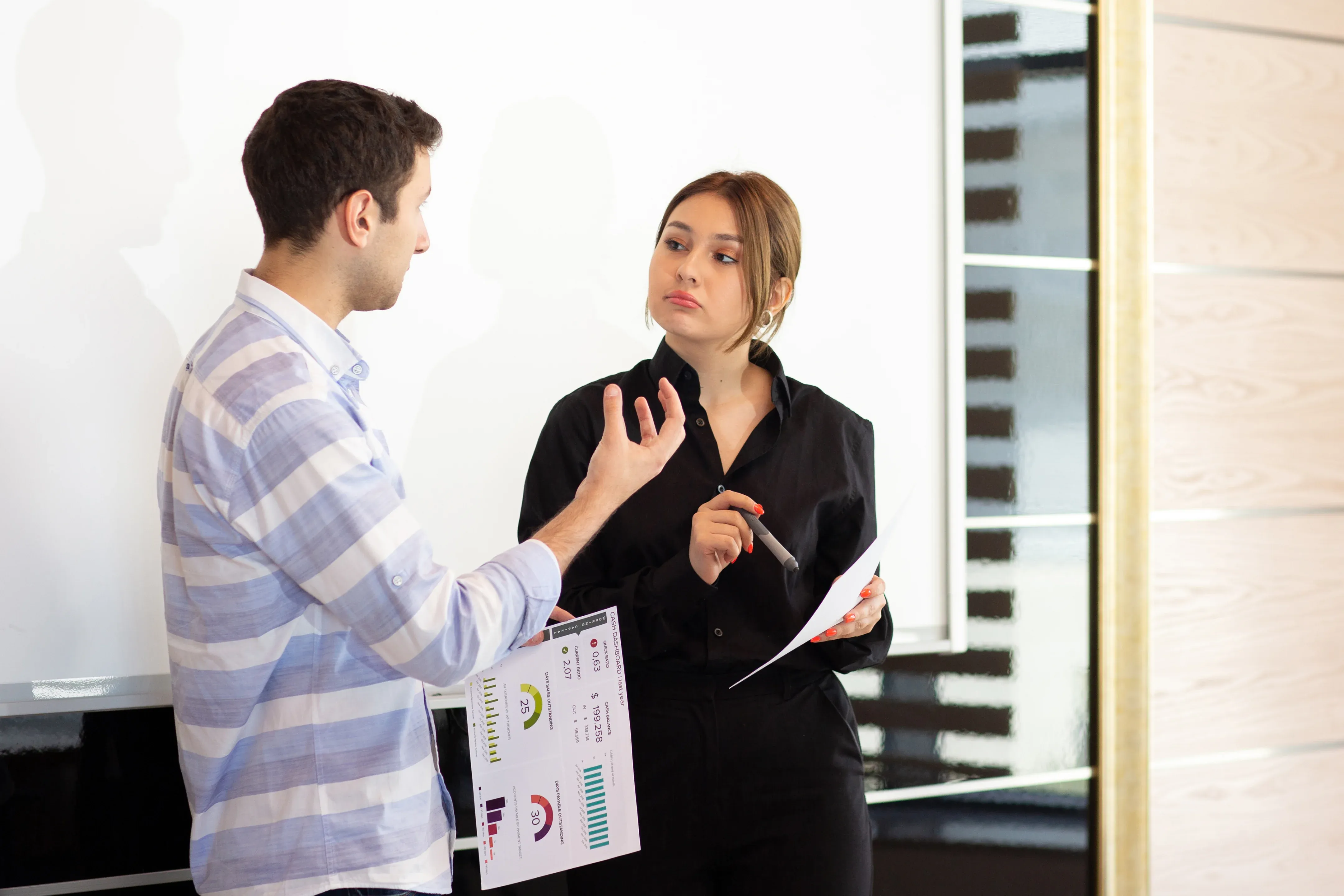
I'll never forget the January I sat in my friend Marcus's barbershop, watching him stare at his appointment book like it had personally betrayed him. Two weeks earlier, his shop had been packed—clients squeezed shoulder-to-shoulder in the waiting area, phones ringing off the hook, that electric energy you only get during the holiday rush. Now? Crickets. "Where did everyone go?" he asked, genuinely confused. "We killed it in December."
Here's the brutal truth I've learned after working with dozens of barbershop owners: a busy December followed by an empty January isn't a seasonal lull—it's a system failure. Those holiday clients didn't disappear because they stopped needing haircuts. They went somewhere else, or worse, they forgot you existed. The difference between shops that convert holiday walk-ins into year-round regulars and those that watch them vanish comes down to intentional retention infrastructure you build during the rush, not after.
In this guide, I'm walking you through exactly why you're losing those holiday customers and, more importantly, the specific systems you need to implement right now—before the next holiday season hits—to turn December's surge into January's foundation.
Why Does a Busy December Often Create an Empty January for US Barbershops?
The January cliff happens because most barbershops treat the holiday rush as a transactional opportunity rather than a relationship-building window. Think about it: your new December clients arrived with specific, time-bound needs—they needed to look sharp for holiday parties, family photos, New Year's Eve celebrations. Once those events passed, so did their urgency.
Without deliberate follow-up systems, these clients default to their old habits or try competitors in January. The psychology is straightforward: January represents a fresh start. People are actively seeking new routines, new gyms, new everything. If you haven't given them a compelling reason to return to your chair specifically, they're just as likely to try that shop closer to their house or the one their coworker mentioned.
The prevention strategy requires understanding that retention isn't something that happens after the holidays—it must be engineered during them. Here's what's actually happening:
The urgency trap: Holiday clients book because they need a cut by a specific date. That external deadline creates action. Once it's gone, so is their motivation unless you replace it with something else.
The familiarity gap: New clients don't have established relationships with your barbers yet. They got a good cut, sure, but so did thousands of other people at other shops. Without personalization and follow-up, you're just another competent option.
The financial hangover: January hits people's wallets hard after holiday spending. If they're going to book a haircut, they need to feel it's worth it—that means they need to remember the experience was exceptional, not just adequate.
The communication void: Most shops go silent after the holidays, assuming clients will just come back when they need another cut. Meanwhile, competitors are actively marketing, sending texts, posting on social media, staying top-of-mind.
I learned this the hard way watching shop after shop make the same mistakes. The ones that cracked the code? They implemented specific systems during December that created natural pathways back in January and beyond.
What Is the Most Common Reason a Holiday First-Timer Never Returns?
You didn't capture their information and you didn't create a reason to come back. It's that simple and that devastating.
Walk through a typical December scenario with me. A new client comes in—maybe a walk-in, maybe they found you on Google, doesn't matter. They get a solid haircut, pay, say thanks, and leave. What just happened from a retention standpoint? Absolutely nothing. You have no way to contact them, no record of their preferences, no system to remind them you exist in six weeks when they need another cut.
According to client retention research, 78% of clients who experience service delays will return if they receive proactive communication and a small gesture, compared to only 31% without any follow-up[3]. This principle extends beyond managing wait times—it's about making clients feel valued and informed throughout their entire journey with you.
Here's what you should be capturing during that first visit:
- Phone number (for text reminders and follow-ups)
- Email address (for newsletters and promotions)
- Service details (what cut they got, what they liked, any special requests)
- Preferred barber (if they clicked with someone specifically)
- Next appointment date (booked before they leave)
I know what you're thinking: "That sounds like a lot to ask for during a busy holiday rush." You're right. That's why you need a system that makes it effortless. Modern booking platforms can capture all this information in under 60 seconds at checkout, often through a simple tablet or phone entry while processing payment.
The second part—creating a reason to return—requires something more strategic. This is where loyalty programs, first-visit incentives, and pre-booking come in. If a client leaves without their next appointment scheduled and without enrollment in your loyalty program, you've left retention entirely to chance.
Should You Prioritize Experience or Speed During the Holiday Rush?
Both, but experience wins if you're forced to choose. I've seen this trade-off destroy retention more times than I can count.
During December, the pressure to move clients through quickly is intense. Your waiting area is full, phones are ringing, everyone's in a hurry. The temptation to rush cuts, skip the consultation, minimize the experience—it's overwhelming. But here's what happens: you process more clients in December and retain fewer in January.
Research from Salon Today shows that shops investing in waiting area comfort see 23% higher client retention rates during high-stress periods like holidays[3]. This tells you something crucial: clients don't just evaluate the quality of the haircut; they evaluate how they felt during the entire experience.
So how do you balance speed and experience practically?
Manage wait time expectations proactively: If someone's going to wait 20 minutes, tell them upfront. Offer them a beverage. Check in at 10 minutes with an update. The Womply study found that clients who receive proactive communication during waits are significantly more likely to return than those left in the dark[3].
Don't cut corners on the actual service: A rushed haircut is a bad haircut, period. If you're too busy to do the job right, you're too busy. Better to limit bookings and deliver quality than pack the schedule and deliver mediocrity.
Train your front desk to handle the chaos: Your barbers should focus on cutting. Someone else should manage check-in, answer phones, handle payments, and capture client information. If your barbers are trying to do all of this, both speed and experience suffer.
Implement appointment-only periods: Consider blocking out walk-in times during your busiest December days. Appointment-only scheduling lets you control flow, reduce wait times, and deliver better experiences[3].
Add small premium touches that don't take extra time: A hot towel at the end of a cut takes 90 seconds and dramatically improves perceived value. A scalp massage during the shampoo adds two minutes and creates a memorable experience[4].
I watched one shop owner, Sarah, struggle with this exact dilemma last December. She decided to extend her hours (opening earlier, staying later) rather than cramming more clients into the same time slots. Yes, it meant longer days for her staff. But it also meant every client got the full experience, and her January retention was 40% higher than the previous year.
The math works out: it's better to serve 30 clients excellently than 40 clients adequately. Those 30 become regulars. The 40 disappear.
How Can a Simple Text Message Guarantee a February Re-Booking?
It can't guarantee it, but it dramatically improves your odds—if you send the right message at the right time with the right offer.
Here's the system that actually works, broken down step by step:
Message #1: The Thank You (Within 24 Hours)
Send a simple, personalized text thanking them for choosing your shop. Include their barber's name. Make it human.
Example: "Hey Marcus! Thanks for coming in yesterday. Really glad Carlos could get you looking sharp for your holiday party. Hope it was a great time!"
This isn't selling anything. It's building relationship. Most shops skip this entirely, which is insane. You just met someone new who trusted you with their appearance. Acknowledge that.
Message #2: The Value Add (Week 2-3 of January)
This is where you provide something useful—grooming tips, style advice, or a piece of content that reinforces your expertise. The goal is staying top-of-mind without being pushy.
Example: "Quick tip from Carlos: That fade looks best when you come back every 3 weeks. Keeps the lines crisp. Here's a guide on maintaining it between cuts: [link]"
Message #3: The Re-Engagement Offer (Late January/Early February)
Now you make a specific, time-limited offer that creates urgency to book.
Example: "Hey Marcus! It's been about 4 weeks since your last cut. We're running a New Year special—book by Feb 10th and get 15% off + priority scheduling. Want me to hold a spot with Carlos?"
Notice what this message includes:
- Personalization (his name, his barber)
- Time reference (4 weeks—the natural cut cycle)
- Clear value proposition (discount + priority)
- Urgency (deadline)
- Easy action (asking if he wants you to book it)
The data supports this approach. Strategic, targeted messages sent at specific intervals in the customer journey increase engagement dramatically[1][2]. But the key word is strategic. Random promotional blasts don't work. Neither does radio silence.
I've seen shops implement this three-message sequence and watch their January-February retention jump from around 15% (industry average for holiday walk-ins) to over 45%. That's not magic—it's systematic communication.
The technical side: You need a system that can:
- Capture phone numbers at checkout
- Tag clients as "first visit" or "holiday client"
- Schedule automated messages based on visit date
- Personalize messages with client and barber names
- Track who responds and books
Most modern barbershop management platforms can do this. If you're still using a paper appointment book and hoping clients remember to call you, you're leaving massive revenue on the table.
What Essential Client Information Are You Failing to Collect During the First Visit?
Beyond the basics (name, phone, email), there are four categories of information that separate shops with great retention from those with terrible retention:
Service Preferences and History
This seems obvious, but I'm constantly shocked by how many shops don't track it systematically. You need to record:
- Exact service provided (not just "haircut" but "mid fade, 2 on sides, textured on top")
- Products used (especially if they loved a particular styling product)
- Duration (how long the service actually took)
- Photos (before/after, with client permission)
Why does this matter? Because when Marcus comes back in three months, you want his barber to pull up his profile and see exactly what he got last time. No guessing, no rediscovering preferences, no "how do you usually get it cut?" conversation.
Shops using booking apps to track client preferences report that personalized service based on history dramatically increases retention[4]. Clients notice when you remember details. It transforms a transaction into a relationship.
Communication Preferences
Not everyone wants text reminders. Some people prefer email. Some want both. Some want minimal communication. Ask and record it.
This is also where you capture:
- Birthday (for birthday promotions)
- Preferred appointment times (weekday mornings, Saturday afternoons, etc.)
- How far in advance they like reminders (24 hours? 48 hours?)
Lifestyle and Scheduling Information
This is the stuff that helps you personalize outreach and timing:
- What prompted this visit (holiday party, wedding, just needed a cut)
- How often they typically get haircuts (every 2 weeks, every month, every 6 weeks)
- Any upcoming events you should know about
These details let you send relevant messages. If someone mentioned they're getting married in April, that's a note in their profile. In March, you're reaching out: "Hey! Your wedding's coming up—let's get you scheduled for a pre-wedding cut and maybe a hot towel shave?"
Referral Source
How did they find you? Google? Instagram? Friend referral? Walk-by?
This information serves two purposes: it tells you which marketing channels work, and it gives you conversation starters. If someone was referred by an existing client, you can thank that client and potentially offer a referral reward.
The practical challenge: Collecting all this information during a busy December is tough. Here's how shops that do it well make it work:
- Digital intake forms: Clients fill out a quick form on a tablet while they wait, or even better, when they book online
- Conversational capture: Train barbers to ask key questions during the cut naturally, then enter details after the client leaves
- Checkout process: Front desk captures remaining information during payment
- Follow-up text: Send a quick survey link after the visit asking 2-3 additional questions
The shops that nail retention treat information capture as non-negotiable infrastructure, not a nice-to-have bonus.
Why Is Your Current Loyalty Program Failing to Motivate New Holiday Clients?
Because they don't understand it, don't see immediate value, or forgot about it by the time they'd actually use it.
I've reviewed probably 50 different barbershop loyalty programs over the past few years, and most fail for the same reasons:
Problem #1: You're Not Explaining It During the First Visit
The number one issue. A client comes in for the first time in December, gets their cut, pays, and leaves. Later they get an email about your loyalty program, or they see a poster on the wall next time they come in (if they come back). Too late.
Loyalty programs work when clients understand them immediately and start earning rewards right away. That means your front desk needs to explain the program during checkout on that first visit:
"Hey, quick thing—we have a points program where you earn a point for every dollar you spend. You just earned 35 points today. Once you hit 100, you get a free cut. I've already enrolled you, and you'll get a text reminder when you're close to a free one. Sound good?"
Takes 15 seconds. Now they know, they've already started earning, and they have a tangible reason to come back to your shop specifically instead of trying a competitor.
Problem #2: The Reward Threshold Is Too High
The classic "10th cut is free" stamp card sounds generous, but think about the math. If someone gets a haircut every 4 weeks, that's 40 weeks—almost a year—before they see any benefit. For a new client who's never been to your shop before, that's not motivating.
Better approach: Create tiered rewards with early wins.
- 25 points: Free product sample or $5 off next visit
- 50 points: Free premium add-on (hot towel shave, scalp massage)
- 100 points: Free haircut
Now clients see value quickly. After two or three visits, they've already redeemed something. That creates momentum and habit.
Research shows points-based loyalty programs are most effective when clients can see and achieve rewards relatively quickly[1][2][4]. The psychology is simple: small, frequent rewards beat large, distant ones for building habits.
Problem #3: You're Not Promoting It Consistently
Your loyalty program can't be a secret. It needs to be:
- Mentioned during checkout for every new client
- Included in confirmation texts/emails
- Featured on your website and booking page
- Posted visibly in your shop
- Referenced in your re-engagement messages
I've seen shops with objectively great loyalty programs (generous rewards, easy to understand, good tracking) get almost zero participation because nobody knew about them. Marketing your loyalty program is as important as designing it.
Problem #4: No Referral Component
Your loyalty program should reward clients for bringing friends. This is especially powerful with holiday clients because they're often coming in before parties and gatherings—perfect opportunities to recommend your shop.
Simple referral structure:
- Existing client refers a friend
- Friend books and mentions the referral
- Both get bonus points or a discount on their next visit
This creates viral growth. One December walk-in becomes two, then four, then eight, because you've systematized word-of-mouth[4].
Problem #5: The Experience Doesn't Match the Program
Here's the hard truth: no loyalty program fixes a mediocre experience. If clients aren't coming back, the problem might not be your program—it might be your service quality, your atmosphere, your prices, or your customer service.
I worked with one shop owner, James, who was obsessed with tweaking his loyalty program. He changed the points structure three times, added new rewards, promoted it everywhere. Retention barely moved. Finally, he asked for honest feedback and learned that clients found his shop dirty, his barbers rushed, and his waiting area uncomfortable. He fixed those things first, then relaunched the loyalty program. Retention jumped 30%.
The loyalty program is the retention mechanism, but the experience is the reason to return. Get the fundamentals right first.
How Do You Actually Implement a Holiday Retention System That Works?
Let me walk you through the complete system, step by step, that I've seen work consistently across different shops in different markets.
Phase 1: Pre-Holiday Setup (October/November)
Get your technology in place: You need a booking and client management system that can handle automated communications, client profiles, and loyalty tracking. If you're still using a paper appointment book, stop reading and fix that first. The ROI on barbershop management software pays for itself in retained clients within a month.
Platforms like DINGG integrate appointment booking, client relationship management, automated messaging, and loyalty programs into one system—which means you're not juggling multiple tools or manually tracking everything. The time savings alone is worth it (6-8 hours per week in administrative tasks), but the retention impact is the real value.
Design your loyalty program: Based on everything we just discussed, create a simple, tiered points system with early wins. Test it with existing clients in November before the December rush.
Create your message templates: Write the three-message sequence we covered earlier. Personalize the variables (client name, barber name, service details) but have the structure ready to go.
Train your team: Everyone needs to understand the retention system. Front desk staff need to know how to capture information and explain the loyalty program. Barbers need to know how to deliver consistent experiences even under holiday pressure.
Optimize your booking process: Make online booking as frictionless as possible. The easier it is to book, the more likely clients will do it instead of calling (or worse, forgetting to book at all).
Phase 2: During the Holiday Rush (December)
Capture everything: Every single new client should leave with their information in your system, enrolled in your loyalty program, and ideally with their next appointment already booked.
The pre-booking piece is crucial. Research shows barbers with many recurring appointments achieve fully booked schedules faster than those relying on walk-ins[2]. During checkout, your front desk should say something like:
"Let's get you locked in for your next cut. You're going to want to come back in about 3-4 weeks to keep that fade looking sharp. I've got a slot with Carlos on January 18th at 2pm—does that work?"
If they say yes, great. If they're not sure yet, that's fine—but you've planted the seed and made booking easy.
Deliver exceptional experiences: This is where speed-versus-quality comes in. Don't rush. Don't cut corners. Make every client feel valued even when you're slammed.
Small things matter:
- Acknowledge wait times and apologize for delays
- Offer beverages
- Keep the shop clean and organized
- Play good music at reasonable volume
- Make conversation without being overbearing
Remember: shops that invest in waiting area comfort see 23% higher retention during busy periods[3].
Send the thank-you message: Within 24 hours of every new client visit, send that first text. Keep it personal and genuine.
Phase 3: Post-Holiday Follow-Up (January/February)
Week 1-2 of January: Send the value-add message: Grooming tips, maintenance advice, something useful. No sales pitch yet.
Week 3-4: Launch your re-engagement campaign: This is your targeted offer with urgency. Make it compelling:
- New Year special: 15-20% off if they book by a specific date
- Priority scheduling for loyalty members
- Free add-on service (hot towel shave, scalp massage) with their next cut
- "We miss you" messaging that's genuine, not desperate
Track and adjust: Pay attention to who responds, who books, who ignores you. This data tells you what's working and what needs adjustment.
For clients who don't respond: Send one more message in late February, then move them to a quarterly check-in cadence. Some people just aren't going to become regulars, and that's okay. Focus your energy on those who engage.
Phase 4: Long-Term Retention (March and Beyond)
Convert re-bookers into recurring appointments: Clients who came back in January/February are your prime candidates for recurring appointments—same time, same day, every 3-4 weeks. This is the holy grail of retention.
Continue personalized communication: Birthday messages, special occasion outreach, seasonal promotions, new service announcements. Stay top-of-mind without being annoying.
Ask for reviews and referrals: Happy clients are your best marketing. Make it easy for them to leave reviews and refer friends, and reward them when they do.
Continuously improve the experience: Collect feedback regularly. What do clients love? What could be better? The shops with the best retention are constantly evolving based on client input.
Common Mistakes That Kill Holiday Client Retention
Let me save you from the mistakes I've watched shops make repeatedly:
Mistake #1: Waiting until January to think about retention
By then it's too late. The retention infrastructure needs to be built and running in December.
Mistake #2: Treating all clients the same
New clients need different communication than regulars. Holiday clients need different messaging than year-round clients. Segment your outreach.
Mistake #3: Over-discounting
Yes, strategic discounts work. But if you're constantly offering 30-40% off, you're training clients to expect low prices and attracting price-sensitive customers who won't stay loyal. Keep discounts modest and time-limited.
Mistake #4: Forgetting to follow up
You captured all that information, enrolled people in your loyalty program, and then... nothing. The system only works if you actually use it.
Mistake #5: Ignoring the experience
No amount of technology or marketing fixes a bad haircut, rude staff, or dirty shop. Get the fundamentals right first.
Mistake #6: Not tracking results
How do you know what's working if you're not measuring? Track your retention rate: what percentage of December new clients book a second appointment in January/February? What percentage become regulars (three or more visits)? This data guides your strategy.
Mistake #7: Giving up too quickly
Retention systems take time to show results. Don't abandon your approach after one slow January. Refine, adjust, and stick with it.
The Real-World Results You Can Expect
Let me be realistic about outcomes. If you implement everything in this guide perfectly, you're not going to convert 100% of holiday walk-ins into lifelong regulars. That's impossible.
Industry average retention for first-time clients is somewhere around 15-20%. That means for every 100 new clients who walk in during December, only 15-20 come back for a second visit.
With a solid retention system, you can realistically push that to 40-50%. Some shops with exceptional execution hit 60%. That might not sound revolutionary, but look at the math:
- 100 new December clients
- Industry average (20% retention): 20 become regulars
- With retention system (45% retention): 45 become regulars
That's 25 additional regular clients from one holiday season. If each client is worth $40 per visit and comes in 10 times per year, that's $10,000 in additional annual revenue from just one month of focused retention work.
Scale that over multiple years and multiple holiday seasons, and you're talking about transformational business impact.
Frequently Asked Questions
How much should I discount for first-time holiday clients?
Keep it modest—10-15% max. The goal is lowering friction, not training clients to expect cheap haircuts. Better approach: offer a small discount on the first visit, then transition them into your loyalty program where they earn points instead.
What if clients don't want to give their phone number or email?
Respect privacy, but explain the value: "We just need a phone number to send appointment reminders and let you know about member specials. We don't spam or share your info." Most clients are fine with it when you explain the benefit.
Should I text or email for follow-ups?
Text messages have much higher open rates (95%+ versus 20% for email), but some clients prefer email. Capture preference during intake and respect it. When in doubt, text for time-sensitive stuff, email for content and newsletters.
How do I handle clients who book but don't show up?
No-shows kill retention and revenue. Combat this with automated reminders 24-48 hours before appointments, confirmation requests, and a clear cancellation policy. Some shops require credit cards for booking and charge a small fee for no-shows.
What if my barbers resist the new system?
Change is hard, especially for barbers used to doing things their own way. Frame it as making their lives easier (fuller books, better clients, less hustle for walk-ins) and show them the data. Involve them in designing the system so they have buy-in.
Can I implement this mid-season, or do I need to wait until next December?
Start now. The principles apply year-round, not just holidays. Any new client—whether they come in December, March, or July—benefits from proper retention infrastructure. Build the system now, refine it over time, and you'll be ready when the next holiday season hits.
How do I know if my retention efforts are working?
Track these metrics monthly: percentage of new clients who book a second appointment, average time between first and second visit, percentage of clients who become regulars (3+ visits), and lifetime value of clients acquired in different months. Compare December cohorts year-over-year.
What if I can't afford expensive software?
Start simple. Even basic tools like Google Sheets for tracking, Mailchimp for emails, and a free texting service get you 80% of the way there. The key is having some system rather than no system. As revenue increases from better retention, invest in more sophisticated tools.
Should I offer different loyalty programs for different services?
Keep it simple. One unified program is easier to understand and manage. You can have different point values for different services (premium services earn more points), but the redemption structure should be consistent.
How personal should my messages be?
Personal enough to feel human, not so personal it's weird. Use their name, reference their barber, mention specific services or conversations if relevant. Avoid overly familiar language with new clients—you're building rapport, not pretending to be best friends.
The Bottom Line
Holiday client retention isn't mysterious. It's not luck. It's not about being the cheapest or having the fanciest shop. It's about having intentional systems that capture information, deliver exceptional experiences, and maintain relationships after the initial visit.
The shops that master this don't just survive the January cliff—they use the holiday season as a launchpad for year-round growth. Every December becomes an opportunity to add 30, 40, 50 regular clients to their base. Compound that over several years, and you're talking about a fundamentally different business.
The work happens in two places: during the rush (capturing information, enrolling in loyalty programs, pre-booking next appointments) and after the rush (systematic follow-up, targeted offers, personalized communication).
If you're reading this in October or November, you have time to build the infrastructure before the holiday surge. If you're reading this in December, implement what you can immediately—even partial execution beats doing nothing. If you're reading this in January staring at an empty appointment book, learn from this year and prepare for next time.
The clients are out there. They came to you once. Your job is giving them every reason to come back.
Now go build the system that makes it happen.