The Booming Salon Industry in India: Trends Every Owner Must Know
Author
DINGGDate Published
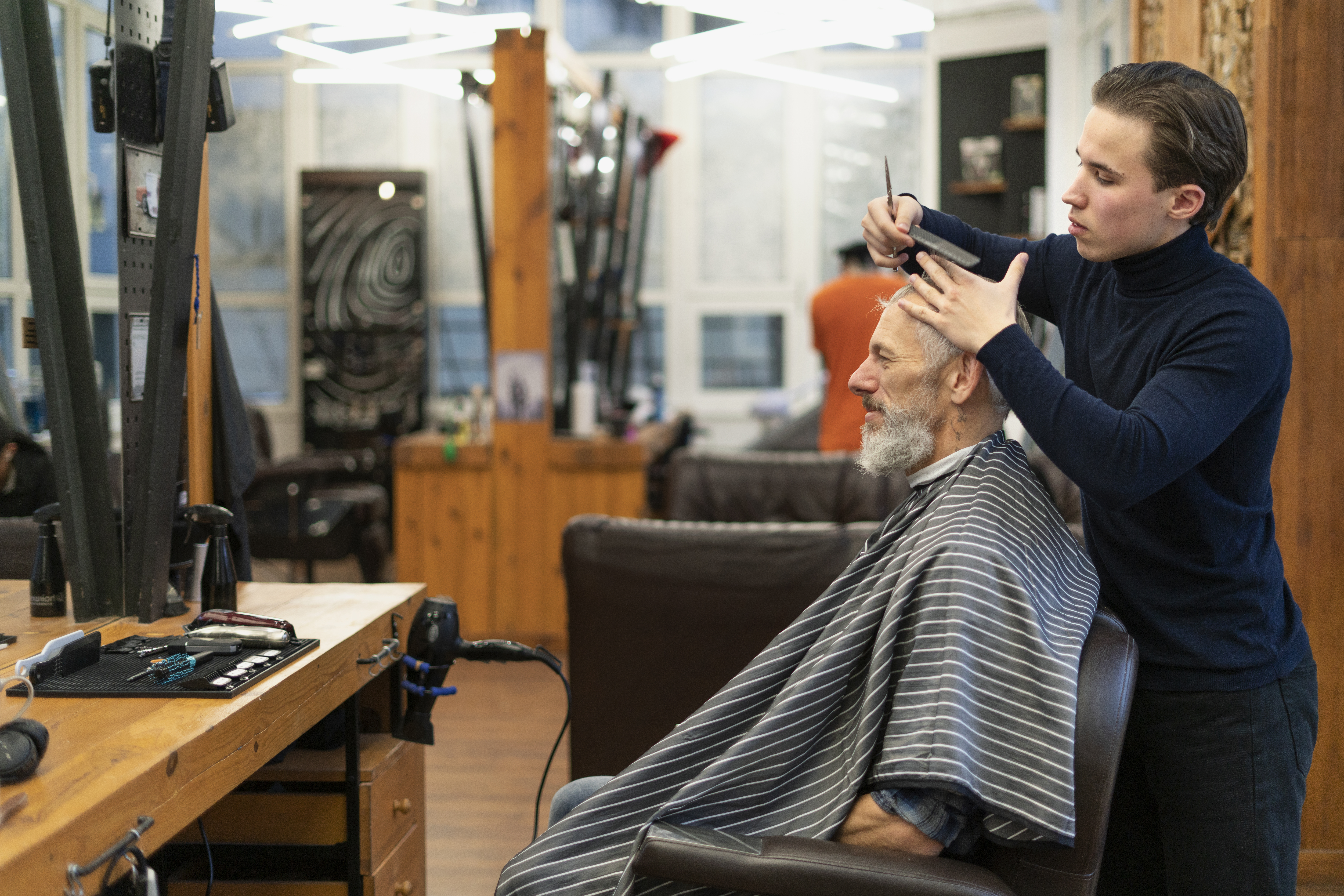
Last Tuesday, a salon owner in Pune told me he lost 11 appointments in a single week. Not because clients didn't want to come — they just couldn't get through on his phone line during peak hours. His staff was busy with walk-ins, the phone kept ringing, and by the time someone called back, the client had already booked with the competition down the street.
That's not a staffing problem. That's an infrastructure problem. And it's happening across India's salon industry right now — an industry racing toward Rs 2,01,185 crore (roughly US$23 billion) by 2033 at a 7.9% CAGR, yet still running on missed calls and paper registers.
Here's what this guide gives you: A practical, phase-by-phase breakdown of the trends reshaping India's salon market — and exactly how to act on each one before your competitors do.
Pre-Flight Check: Are You Ready to Scale?
Before you chase any trend, answer this honestly:
Can you describe your salon's growth bottleneck in one sentence?
If it's "I need more clients," that's too vague. If it's "I'm losing 20% of bookings because I have no online booking system," now we're talking. The trends below only matter if you know which problem you're solving.
What you need locked down:
- A smartphone with WhatsApp Business installed
- Access to your last 3 months of revenue numbers (even rough ones)
- Willingness to test one new tool for 90 days
If you've got those three, keep reading.
Phase 1: The Tier-2/3 Expansion Wave — And Why It's Your Biggest Opportunity
Here's something that surprised me when I dug into the data: 240 million Indians now maintain regular grooming routines, and the fastest growth isn't in Mumbai or Delhi. It's in cities like Jaipur, Indore, Lucknow, and Coimbatore.
Tier-2/3 expansion is driving the bulk of new salon openings. Franchise models — think Lakme with its 450+ outlets and 4,000 trained professionals — have proven that setup costs drop by nearly 40% when you standardize operations outside metro cities.
What you should see if this applies to you: Your Instagram analytics showing 15%+ engagement from local, non-metro audiences on grooming Reels. If it's below 5%, you're still talking to the wrong geography.
The friction nobody mentions: Tier-2/3 scaling lags metros by 30-40% because of supply chain delays and untrained staff. You can't just open a branch and hope. You need a salon management software that offers multi-location support — managing all branches from one centralized platform, tracking staff performance and inventory across locations without physically being there.
Verification: Check your last 10 bookings. If 7 or more came through an app or digital channel, you're ready to think about a second location. If most are still walk-ins or phone calls, fix that first.
Phase 2: Men's Grooming — The Revenue Line You're Probably Ignoring
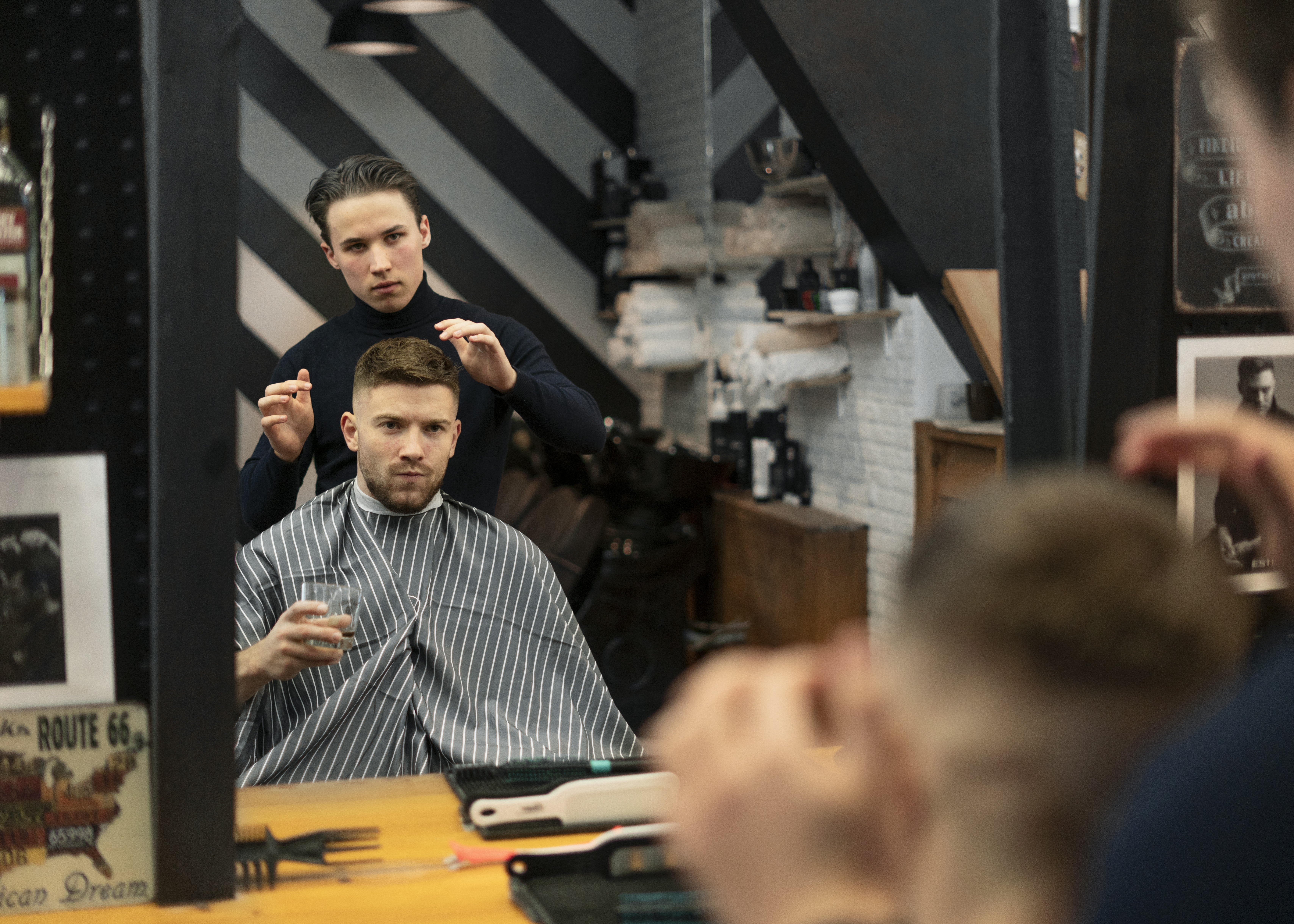
Men's grooming grew 2x in the last three years. Yet most salons I talk to still dedicate less than 10% of their service menu to men.
The K-Beauty crossover is real — beard care, premium skincare bundles, and grooming consultations are pulling Rs 800-1500 per visit in tier-2 outlets. Seventy percent of Kindlife's premium sales come from K-Beauty products. That's not a niche anymore.
What to do: Bundle a free "beard audit" or skin consultation as a walk-in hook. Track men's services as a separate revenue category.
Visual checkpoint: When men's services consistently show above 25% of your weekly revenue, you've hit the sweet spot. Below 10%? You need to restock, retrain, and remarket.
This is where customer segmentation becomes critical. You can't send the same Diwali discount SMS to a 22-year-old guy looking for a beard trim and a 40-year-old woman booking a bridal package. Tailoring offers based on client preferences and behavior isn't optional anymore — it's the difference between a 5% and a 20% conversion rate on your campaigns.
Smart Segmentation Starts With the Right Salon Software DINGG Salon Software lets you build personalized profiles — storing client preferences, visit history, and service notes — so every campaign you send actually lands. Pair that with targeted marketing through automated email, SMS, and WhatsApp campaigns, and you stop guessing what your clients want. See how DINGG's customer segmentation works →
Phase 3: Digital Booking — The Non-Negotiable Shift
Seventy percent of Gen Z clients book via Instagram or apps. Not phone calls. Not walk-ins. Apps.
Yet here's what I keep hearing from owners: "My clients prefer calling." Maybe some do. But you're not losing those clients. You're losing the ones who never called in the first place — because they found someone else with 24/7 online booking.
A salon booking system that lets clients book appointments anytime, from anywhere isn't a luxury feature. It's table stakes. Digital bookings cut no-shows by 15-20% within 3-6 months when paired with UPI pre-payments and WhatsApp reminders.
What success looks like: Your salon appointment app dashboard shows a green "Booked" confirmation badge for each appointment, with pre-payment collected. No more chasing clients who ghost.
The ugly reality in low-tech areas: UPI glitches still happen. Some owners in tier-3 cities told me they print QR-coded "pay-later" chits and follow up with personal calls. It's scrappy, but it works until digital infrastructure catches up.
Verification: Poll 20 walk-in clients this week. If 60% or more say they found you online, your digital presence is working. Below 30%? You've got a discovery problem.
Phase 4: Retention — Where the Real Money Lives
Acquiring a new client costs 5-7x more than keeping an existing one. Yet most salon owners I know spend 80% of their marketing budget on acquisition and almost nothing on retention.
Loyalty rewards programs, membership programs with exclusive perks, and gift cards that clients can share and redeem — these aren't "nice to haves." They're how you build a predictable revenue base.
Client feedback loops matter too. Gathering insights through forms and surveys after each visit lets you catch problems before they become bad Google reviews.
Smart scheduling — managing appointments, staff, and rooms with a drag-and-drop calendar — means fewer double-bookings and happier clients. Real-time reports let you track sales, inventory, and staff performance at a glance. Inventory control with automated alerts stops you from running out of that one product your top client always asks for.
The "Ugly Truth" Table
Problem
The Weird Fix
Why It Works
Low tier-2 walk-ins despite running ads
Scrape local WhatsApp groups for micro-influencer shoutouts instead of Instagram metro targeting
Hyper-local trust beats algorithm reach in smaller cities
20-30% no-show rate
UPI pre-payment + personal WhatsApp voice note reminders
Skin in the game + personal touch reduces flaking
Stagnant men's grooming revenue
Free "beard audit" using AR try-on apps before any upsell
Removes purchase anxiety, builds trust first
Premium service churn after first visit
"Trial Tuesday" at 50% off, tracked via simple Google Sheets
Lowers barrier; repeat visits convert at 3x the rate
Where DINGG Fits Into All of This
Look, every trend above — tier-2/3 expansion, men's grooming segmentation, digital booking, retention — they all break down without operational infrastructure holding them together.
DINGG Salon Software was built for exactly this gap. It's salon booking software with AI-powered scheduling (DINGG AI Genius), staff management that tracks attendance and commissions, easy invoices with customizable templates, and multi-location support that actually works when you're managing branches from your phone.
The membership programs and loyalty rewards features directly address the retention problem. And the real-time reports give you the numbers you need to make decisions without guessing.
Ready to Run Your Salon Like a Business, Not a Guessing Game? DINGG gives you smart scheduling, inventory control, client feedback tools, and targeted marketing — all from one platform. Explore DINGG's full feature set →
FAQ
How long does it take for digital booking to reduce no-shows?
Most salons using a salon booking system with UPI pre-payments and automated WhatsApp reminders see a 15-20% drop in no-shows within 3-6 months. The key is consistency — every booking should trigger a reminder, not just some.
Is expanding to a tier-2 city worth it for an independent salon?
Yes, if you've standardized operations first. Franchise models show 40% lower setup costs in cities like Jaipur. Use salon management software with multi-location support before opening a second branch — managing blind from a distance kills margins fast.
How do I increase men's grooming revenue past 10%?
Stock K-Beauty and beard care products, add dedicated men's service slots, and use customer segmentation to send targeted campaigns. Salons that bundled grooming consultations with product trials saw 2x uptake.
What's the fastest way to improve client retention?
Start a loyalty rewards program and collect client feedback after every visit. Personalized profiles — storing preferences, history, and notes — turn one-time visitors into regulars. Salons using membership programs report significantly higher lifetime client value.
India's salon market is sprinting toward US$23 billion. The owners who'll capture that growth aren't the ones with the fanciest chairs — they're the ones with the smartest systems. What's yours?