I'll never forget the phone call I got from Priya, a spa owner in Mumbai who'd just invested 40 lakhs in a stunning renovation. Marble floors, crystal chandeliers, the works. Three months later, her bridal bookings had dropped by 25%.
"The space looks incredible in photos," she told me, frustration seeping through the line. "But brides keep saying it doesn't feel right when they visit. And I can't figure out what's wrong."
Here's what I discovered during my site visit: her reception area, while visually stunning, was chaos. Four phone lines ringing simultaneously. Staff rushing past with inventory boxes. A delivery guy arguing about parking. The scent of fresh jasmine she'd carefully chosen was completely overwhelmed by the smell of hair products being unpacked near the entrance.
The bride-to-be sitting on that gorgeous velvet sofa? She looked more stressed than when she walked in.
If you're reading this, you're probably facing something similar. You've invested heavily in creating a designer aesthetic—the Instagram-worthy interiors, the carefully curated color palettes, the statement lighting. But something's not translating into bookings, especially from that lucrative bridal segment. And honestly? The problem might not be what you see. It's what you're not hearing, feeling, or managing when your spa gets busy.
In this guide, I'm walking you through the hidden costs of poor ambiance, the operational blind spots that silently erode your luxury positioning and drive brides straight to your competitors. More importantly, I'll show you exactly how to fix them without starting from scratch.
So, What Exactly Are the Hidden Costs of Poor Ambiance on Your Designer Spa's Bridal Bookings?
Poor ambiance isn't about ugly decor—it's about the sensory and operational failures that contradict your luxury promise. For bridal clients specifically, these hidden costs manifest as lost bookings, reduced package values, and negative word-of-mouth that spreads through wedding planner networks. Research shows that 86% of luxury spa clients will pay premium prices for superior experiences, but poor ambiance makes them question whether you're worth it.
The real kicker? Most spa owners don't realize the damage until it's reflected in quarterly revenue. Let's dig deeper into what's actually happening behind the scenes.
Why Ambiance Matters More for Bridal Clients Than Any Other Segment
Look, I get it. Every client deserves a great experience. But brides and their parties? They're operating on a completely different emotional frequency.
According to recent wedding industry data, 14% of couples report being too stressed to actually enjoy their wedding day. Your spa isn't just another appointment on their calendar, it's supposed to be their sanctuary from the chaos of vendor negotiations, family drama, and budget anxiety.
When a bride walks into your spa, she's conducting a subconscious test: Can this place actually deliver the calm I desperately need?
And here's the thing about bridal bookings that makes them particularly vulnerable to ambiance failures:
They're high-value, high-stakes appointments. The average bridal package in a designer spa ranges from ₹25,000 to ₹75,000, often including multiple party members. These aren't impulse bookings, they're carefully researched decisions, usually influenced by wedding planners who have long memories for disappointment.
They're pre-event stress relief. Unlike your regular client who might tolerate some background noise, a bride three days before her wedding is hyperaware of every stressor. That ringing phone? It's not just annoying, it's triggering the same anxiety she came here to escape.
They're reputation multipliers. One disappointed bride tells her wedding planner, who crosses you off recommendations for the next 50 weddings they coordinate. One delighted bride becomes a walking advertisement, bringing you referrals worth lakhs over the next year.
I learned this the hard way while consulting for a high-end spa in Bangalore. They had a gorgeous space but kept scheduling bridal parties during peak hours "to maximize revenue." What actually happened? The brides felt rushed, the regular clients felt crowded, and within six months, wedding planner referrals dried up completely. The owner couldn't understand why, until we calculated that the noise level during peak hours averaged 65 decibels, roughly equivalent to a busy restaurant. Not exactly the 40-decibel tranquility luxury spas promise.
How Does Poor Ambiance Actually Cost You Money? The Real Numbers
Let me break down the financial impact, because this isn't just about vibes, it's about your bottom line.
Direct booking losses: When a bride visits for a consultation and the ambiance contradicts your luxury positioning, you typically lose not just her booking (₹40,000 average), but her bridal party of 4-6 people (another ₹1.5-2 lakhs in potential revenue). Multiply that by the number of brides who walk away unimpressed, and you're looking at significant lost revenue.
Reduced package values: Even when brides do book, poor ambiance makes them hesitant to upgrade. That premium bridal package with the extended massage and specialty facial? They'll opt for the basic version because they're not convinced you can deliver the promised experience. I've seen this trim 30-40% off average bridal booking values.
Referral opportunity cost: Wedding planners typically work with 20-30 weddings per year. Each one is a potential bridal spa booking. If your ambiance issues cause a single bad experience, that planner stops recommending you costing you potentially ₹10-15 lakhs in annual referral revenue.
Online reputation damage: 73% of spa clients research online reviews before booking, and bridal clients are even more diligent. One detailed review about "beautiful space but chaotic atmosphere" can influence dozens of potential bookings. The cost? Nearly impossible to quantify, but I've watched spas lose 6-8 months of momentum from a single viral negative review.
Increased marketing costs: When organic referrals dry up, you're forced to spend more on paid advertising to attract bridal clients. This can increase your customer acquisition cost by 200-300%.
A spa owner in Delhi shared their numbers with me after fixing their ambiance issues: they'd been spending ₹1.2 lakhs monthly on bridal-focused Instagram ads just to maintain booking levels. After implementing the operational changes I'm about to share with you, their referral rate increased enough that they cut ad spend by 60% while actually increasing bridal bookings by 35%.
What Are the Non-Visual Elements of Ambiance That Drive Repeat Luxury Bookings?
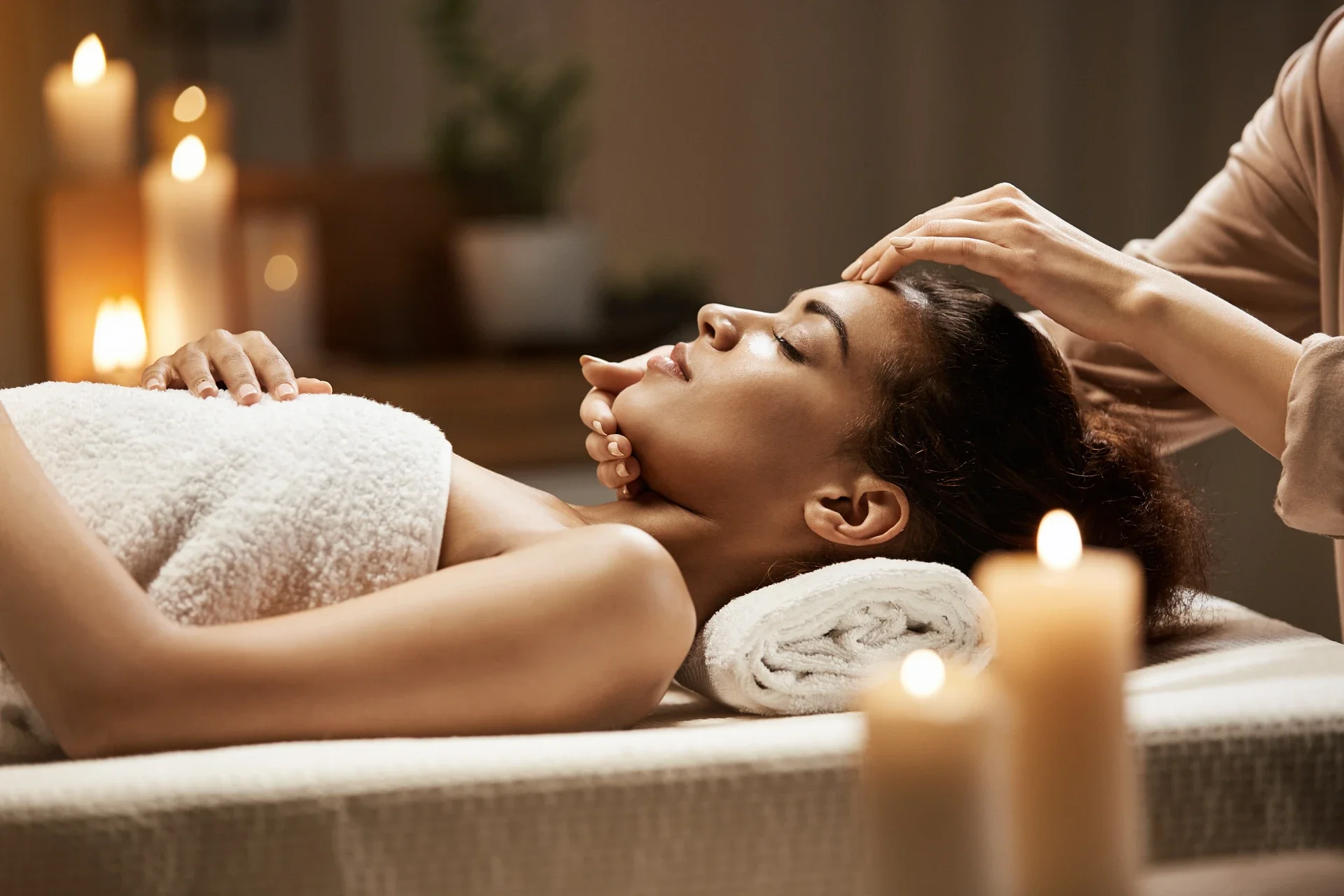
Here's where most spa designers and owners get it wrong: they obsess over what clients can see and completely neglect what clients experience through their other senses and emotions.
I call these the "invisible ambiance killers," and they're responsible for more lost bookings than any design flaw.
Sound: The Silent Deal-Breaker
Your gorgeous spa can look like a page from Architectural Digest, but if a bride hears staff arguing about schedules in the back room, you've blown it.
Environmental psychology research shows that noise and crowding increase stress hormones—exactly what bridal clients are trying to reduce. Yet I've audited dozens of "luxury" spas where:
Reception phones ring at full volume throughout treatment areas
Staff conversations echo through hallways
HVAC systems create a constant low-frequency hum
Doors slam because no one installed soft-close mechanisms
Music isn't properly zoned, creating weird overlaps between spaces
Quick fix that one spa implemented: they installed a silent reception notification system (vibrating pagers for staff) and added acoustic panels disguised as art in the hallways. Cost? ₹85,000. Impact? Brides started using words like "cocooned" and "peaceful" in their reviews.
Scent: The Emotional Memory Trigger
Scent is processed by the limbic system, the emotional center of the brain. This means smell creates stronger memories than any other sense.
But here's what I see constantly: spas invest in expensive essential oil diffusers for treatment rooms, then completely ignore the fact that the entrance smells like cleaning chemicals, or the hallway near the storage room reeks of product inventory, or the bathroom has that weird drain smell.
One spa in Pune solved this brilliantly. They created "scent zones" with a signature fragrance blend at the entrance (calming lavender-bergamot), a different one in the relaxation lounge (grounding sandalwood), and customizable options in treatment rooms. But the genius move? They audited every single space, including storage, bathrooms, and staff areas—to eliminate negative smells first. You can't mask bad smells with good ones; you have to eliminate the bad ones entirely.
They also timed scent intensity. During peak hours when more people were in the space, they actually reduced diffuser intensity to prevent olfactory overload. Brides noticed. Within three months, "smells divine" became the second most common phrase in their reviews after "so relaxing."
Temperature and Air Quality: The Comfort Baseline
Ever noticed how you can't relax if you're too cold or too warm? Brides are even more sensitive to this because they're often anxious, which affects body temperature regulation.
I worked with a spa that couldn't figure out why bridal parties kept cutting their relaxation lounge time short. Turned out their "perfectly designed" lounge had beautiful floor-to-ceiling windows that created a greenhouse effect in the afternoon—exactly when most bridal appointments were scheduled. The temperature fluctuated between 26°C and 29°C throughout the day.
The fix required both design and operational changes: UV-filtering window film, strategic curtain use during peak heat hours, and—this is key—individual climate control in private consultation and treatment rooms. Investment: ₹2.5 lakhs. Result: Lounge occupancy time increased by 40%, which translated to more add-on service bookings because relaxed clients are more receptive to recommendations.
Spatial Flow: The Choreography No One Sees
This is probably the most overlooked element. Your spa's traffic flow either supports tranquility or destroys it.
I'll give you a real example. A spa in Hyderabad had a beautiful layout on paper, but the path from reception to the bridal suite required walking past the staff break room, through a corridor that doubled as product storage, and near the laundry area. Brides heard staff chatting, saw stacked towels and inventory boxes, and smelled detergent. The journey completely undermined the luxury experience they were paying for.
We redesigned the flow without major construction: repositioned the bridal suite entrance, created a separate "service corridor" for staff movement, and installed elegant folding screens to visually separate the client journey from operational areas. The bride's path became a deliberate transition from the outside world into a sanctuary.
Here's the operational part most people miss: they created "traffic rules" for peak hours. Staff were trained to use service corridors during bridal appointments. Inventory deliveries were scheduled for specific time windows. Even the timing of housekeeping rounds was choreographed to avoid crossing paths with clients.
Cost of the flow redesign? ₹1.8 lakhs. Increase in bridal package upgrades? 28% within six months, because brides felt the exclusivity they were promised.
How Does High Traffic Negatively Impact a Luxury Client's Stress Levels?
Let's talk about the elephant in every spa owner's treatment room: you need volume to hit revenue targets, but volume is killing your luxury positioning with bridal clients.
I see this tension constantly. An owner will tell me, "We need to book 40 appointments daily to make our numbers," and then in the next breath ask, "Why don't brides feel like we're exclusive?"
The math doesn't work. Here's why.
Cognitive load and decision fatigue: When your reception area is busy—multiple clients checking in, phones ringing, staff multitasking—you're creating cognitive noise. Research in environmental psychology shows that visual clutter and activity increases mental fatigue. A bride who's already dealing with wedding planning overwhelm walks into your busy reception and her stress level actually increases.
Perceived value erosion: Luxury is fundamentally about exclusivity. When a bride sees six other clients in the relaxation lounge, she subconsciously questions whether she's receiving personalized attention or assembly-line service. It doesn't matter that your treatments are individualized—the perception of being one of many undermines your premium pricing.
Actual service quality degradation: Be honest with yourself—when your spa is at capacity, things slip. Staff are rushing. Consultation time gets compressed. That extra five minutes of post-treatment relaxation gets cut. The bride notices every single shortcut, even if your regular clients don't.
I audited a spa that was running at 85% capacity during peak hours and wondered why their bridal rebooking rate was only 12%. We installed occupancy tracking and found that during their busiest periods:
Average consultation time dropped from 15 minutes to 8 minutes
Treatment rooms were turned over in 5 minutes instead of the recommended 15
Noise levels in common areas exceeded 60 decibels
Client wait times averaged 12 minutes despite appointments
Each of these individually is minor. Combined? They create an experience that screams "busy salon" not "luxury sanctuary."
The Solution Isn't Less Revenue, It's Smarter Scheduling
Here's what actually works: creating capacity tiers and protecting bridal appointment slots.
One spa I worked with implemented "sanctuary hours" from 2-6 PM, Tuesday through Thursday. During these windows, they capped total occupancy at 60% and charged a 15% premium for bridal packages. They also blocked the relaxation lounge and consultation areas exclusively for bridal parties during their appointments.
The owner was terrified this would hurt revenue. What actually happened:
Bridal booking values increased by 35% (the premium plus higher upgrade rates)
Bridal client satisfaction scores jumped from 7.2 to 9.4 out of 10
Wedding planner referrals tripled within four months
Overall revenue increased by 18% despite lower volume during sanctuary hours, because the higher-value bridal bookings more than compensated
They filled the remaining peak-hour capacity with regular clients who were less sensitive to the busier atmosphere and offered them a modest discount. Everyone won.
How Can Automated Client Check-In Reduce Front Desk Congestion and Noise?
Let me tell you about one of the fastest ROI improvements you can make: getting rid of the front desk circus.
Traditional check-in is a luxury killer. A bride arrives for her appointment—already nervous, excited, trying to transition into relaxation mode—and she's immediately confronted with:
A receptionist juggling phone calls and walk-ins
Forms to fill out on a clipboard
Payment discussions happening in public
Other clients crowding the desk
General administrative chaos
It's the exact opposite of the serene arrival experience you've promised.
Smart spas are solving this with technology, and it's not as complicated as you think. Here's what I've seen work:
Pre-Arrival Digital Check-In
Using a platform like DINGG's appointment and booking management system, clients complete all intake forms, preferences, and payment details before they even leave home. When the bride arrives, she's greeted by name, offered tea, and escorted directly to a private consultation room. No clipboard. No waiting. No transaction happening in a public space.
One spa in Chennai implemented this and measured the impact: average arrival-to-treatment-room time dropped from 14 minutes to 4 minutes. More importantly, bride's reported stress levels (they actually survey this) dropped by 40% just from the improved arrival experience.
Self-Service Kiosks for Regular Clients
For non-bridal clients who don't need the white-glove arrival, elegant self-service tablets handle check-in. This dramatically reduces front desk congestion and noise, preserving the calm atmosphere for bridal clients who do receive the full greeting.
Silent Communication Systems
Replace ringing phones with silent staff notifications. When a client arrives, the assigned therapist receives a vibration alert. When a treatment room is ready, a subtle light signal indicates it. When a consultation is complete, the receptionist knows without an intercom announcement.
The technology investment for a mid-sized spa? Around ₹1.5-2 lakhs for the full system. The operational benefit? Your front desk transforms from a transaction center into a hospitality experience. And for bridal clients, that first impression is worth everything.
Which Specific Areas Require Peak-Season Maintenance to Preserve the Designer Aesthetic?
Here's something nobody talks about: your designer aesthetic degrades faster during busy periods, and bridal clients notice wear and tear more acutely than regular clients.
I learned this watching a spa lose three major bridal bookings in one month. The owner was baffled—the space still looked great to her. But when I walked the bride's journey with fresh eyes, I saw what she saw:
The entrance: Gorgeous stone floors had lost their shine in high-traffic areas. The brass door handles were tarnished from constant use. The welcome bench had a small tear in the upholstery that hadn't been there three months ago.
The relaxation lounge: Magazines were dog-eared and outdated. Cushion covers were slightly faded from sunlight. A decorative vase had a chip. The throw blankets looked pilled from repeated washing.
Treatment rooms: Dimmer switches were sticky. Robe hooks were loose. The "luxury" slippers felt thin. Towels, while clean, had that slightly worn texture that comes from hundreds of washes.
None of these individually would stop a regular client from booking. But a bride evaluating whether to spend ₹50,000 on your bridal package? She's looking for reasons to trust you'll deliver on luxury. Every small sign of wear becomes evidence that maybe you're not as premium as your pricing suggests.
The Peak-Season Maintenance Checklist I Give Every Client
Weekly during bridal season:
Deep clean and polish all glass, mirrors, and reflective surfaces
Inspect and tighten all hardware (door handles, hooks, cabinet pulls)
Replace any worn linens, towels, or cushion covers
Check and replace any burnt-out bulbs (lighting is crucial)
Clean and condition all leather surfaces
Refresh florals and remove any wilted arrangements
Audit all product displays for dust and organization
Monthly:
Professional deep clean of all flooring, including grout lines
Inspect and touch up paint in high-traffic areas
Replace any chipped or damaged dishes, vases, or decor items
Professional cleaning of upholstered furniture
Full inventory check of retail displays to remove damaged packaging
Test all technology (speakers, dimmers, tablets) for functionality
Quarterly:
Professional window cleaning inside and out
Carpet and rug deep cleaning or replacement if needed
Re-seal stone surfaces
Update magazines and reading materials
Refresh scent diffusers and replace any that aren't functioning optimally
Comprehensive lighting audit and bulb replacement
One spa owner told me this maintenance schedule felt excessive until she calculated the cost: about ₹25,000 monthly during peak bridal season. Then she calculated what one lost bridal booking cost her: ₹65,000 in immediate revenue plus untold thousands in lost referrals. Suddenly, the maintenance investment seemed pretty smart.
How Do You Collect and Analyze Client Feedback Specifically on the Spa Environment?
Most spas ask, "How was your service?" and call it feedback. But if you want to fix ambiance issues before they cost you bookings, you need to ask better questions.
Here's the feedback system I've helped multiple spas implement, and it's revealed ambiance problems owners never knew existed.
During the Experience (Subtle Observation)
Train your staff to notice and document non-verbal cues:
Does the client seem distracted or unable to relax?
Do they comment on temperature, noise, or smell?
Do they cut short their relaxation lounge time?
Do they seem uncomfortable in any specific space?
One spa created a simple digital form that therapists complete immediately after each bridal appointment, noting anything the client mentioned or any signs of discomfort. This real-time documentation caught patterns the owner never would have seen otherwise.
Post-Visit Survey (Environment-Focused)
Instead of generic satisfaction surveys, create specific environment questions:
"On a scale of 1-10, how would you rate:"
The tranquility of our reception area
The noise level throughout your visit
The comfort of our temperature and air quality
The cleanliness and maintenance of our facilities
The privacy and exclusivity of your experience
The sensory elements (scent, lighting, music)
Then—and this is crucial—include an open-ended question: "Was there any moment during your visit when you felt stressed or uncomfortable? Please describe."
Brides will tell you everything if you ask the right way. One spa discovered through this question that their beautiful outdoor garden path to the bridal suite was actually creating anxiety because clients worried about weather, insects, and being seen by others. A simple covered walkway solved it.
Wedding Planner Feedback Loop
Wedding planners are your secret weapon for honest feedback. They've been to dozens of spas and have no emotional attachment to protecting your feelings.
Create a quarterly feedback session with your top wedding planner partners. Ask specifically:
What do brides say about our space after they visit?
How do we compare to other spas in terms of ambiance?
What would make you more confident recommending us?
One planner told a spa owner, "Your space is gorgeous, but brides say they feel rushed. They don't feel like they can linger and enjoy it." That single piece of feedback led to a complete scheduling restructuring that increased bridal satisfaction scores by 35%.
Using Technology to Track Patterns
DINGG's CRM system allows you to tag feedback by category and track patterns over time. You can see if ambiance complaints spike during certain hours, days, or seasons. You can correlate environmental feedback with rebooking rates. You can identify which staff members consistently receive comments about rushed service.
This data transforms ambiance from a subjective "feeling" into a measurable, manageable aspect of your business.
What Are the Minimum Space and Privacy Requirements for a Luxury Consultation?
Let's talk about one of the most common ambiance failures I see: consultation spaces that completely undermine the luxury experience you're trying to sell.
A proper bridal consultation isn't just a transaction—it's the moment when a bride decides whether to trust you with one of the most important days of her life. Yet I've seen "luxury" spas conduct these conversations:
At the front desk with other clients within earshot
In a corner of the relaxation lounge with zero privacy
In a treatment room that's clearly being used for storage
Standing in a hallway because "all the rooms are booked"
Would you buy a ₹50,000 package under those circumstances? Neither will brides.
The Minimum Standards for Luxury Consultations
Based on luxury hospitality standards and my own experience, here's what you actually need:
Space: Minimum 100 square feet (about 9 square meters) dedicated consultation room. This allows for comfortable seating, a small table for materials, and enough physical distance that the conversation feels private and unhurried.
Seating: Actual chairs or a small sofa—not stools or benches. The furniture should signal "stay and relax" not "this will be quick."
Privacy: Four walls and a door that closes. Soundproofing is ideal but at minimum, the room should be positioned away from high-traffic areas. The bride should feel confident discussing skin concerns, budget constraints, or family dynamics without being overheard.
Ambiance elements: This room should exemplify your spa's sensory design—appropriate lighting (bright enough to review materials but not harsh), subtle scent, comfortable temperature, and zero external noise intrusion.
Technology: Tablet or screen for showing treatment options, calendar for scheduling, and payment processing capability—all within the private space so the bride never has to return to a public area for transactions.
Materials: Professional presentation materials, before/after photos, treatment descriptions, and price lists that look as luxurious as your space. Laminated printouts and clipboards don't belong in a luxury consultation.
One spa in Gurgaon transformed their consultation experience by converting a small treatment room into a dedicated bridal consultation suite. They added a small sofa, a coffee table with fresh flowers, a large monitor for presentations, and soundproofing panels. The room was exclusively used for bridal consultations and high-value client discussions.
The impact? Their bridal package close rate increased from 42% to 78%. The owner calculated that this single room, which cost about ₹3.5 lakhs to create, generated an additional ₹18 lakhs in bridal revenue in the first year alone.
The Consultation Experience Protocol
It's not just about the space—it's about how you use it. Here's the protocol that works:
Pre-consultation prep: The room is prepared before the bride arrives—fresh water, consultation materials laid out, her name on the reservation screen, appropriate temperature set.
Escorted arrival: The bride is personally escorted to the consultation room, never left to find it herself or asked to wait in a public area.
Unhurried pacing: The consultation is scheduled for 30-45 minutes minimum, and the bride can feel that there's no rush. The staff member's phone is silenced, there are no interruptions.
Sensory engagement: During the consultation, the bride experiences scent samples, touches product textures, sees clear before/after images. She's not just hearing about your services—she's experiencing your quality standards.
Privacy for decisions: If the bride needs to discuss with family or think about options, she's encouraged to stay in the private space, not sent back to a public area.
This level of consultation experience is what luxury actually means. And it's what separates spas that capture the bridal market from those that wonder why brides book elsewhere.
Common Mistakes That Destroy Ambiance (And How to Avoid Them)
After auditing dozens of spas, I've seen the same ambiance killers over and over. The frustrating part? They're all fixable, but only if you recognize them first.
Mistake #1: Assuming Visual Design Is Enough
You spent lakhs on that Italian marble and custom lighting. It looks incredible. But if your operations are chaos, the pretty design is just a backdrop to a stressful experience.
The fix: Audit the client journey with all five senses, not just sight. Walk through your spa blindfolded with a trusted colleague describing what they hear, smell, and feel. You'll discover problems you've been blind to.
Mistake #2: Treating All Clients the Same
Your regular client who comes in monthly for a facial might tolerate a busy reception area. A bride three days before her wedding will not.
The fix: Create tiered experiences. Bridal clients get sanctuary hours, private spaces, and white-glove service. Regular clients get excellent service in a busier environment at a different price point. Everyone gets what they're paying for.
Mistake #3: Ignoring Peak-Hour Degradation
Your spa is peaceful at 10 AM on a Tuesday. What's it like at 4 PM on a Saturday when you're at capacity? That's when ambiance matters most because that's when brides are most likely to visit.
The fix: Mystery shop yourself during your busiest hours. Better yet, have a wedding planner or bridal client do it. Measure noise levels, wait times, and service quality specifically during peak periods.
Mistake #4: Sacrificing Ambiance for Revenue
Overbooking, double-booking, and squeezing in "just one more appointment" might boost short-term revenue, but it destroys your luxury positioning and costs you the high-value bridal segment.
The fix: Do the math. Calculate what one wedding planner relationship is worth over a year (usually ₹10-15 lakhs in referrals). Then ask yourself if overbooking that Saturday afternoon is worth risking that relationship. It never is.
Mistake #5: Inconsistent Standards
Your spa is immaculate on Monday after the weekend deep clean, but by Friday it's showing wear. A bride who visits on Friday gets a different experience than one who visits on Monday.
The fix: Implement daily maintenance checklists and empower staff to flag ambiance issues immediately. Create a "bridal-ready" standard that applies every single day, not just after cleaning days.
Mistake #6: Technology That Creates Friction
Complicated booking systems, payment processing that requires multiple steps, or check-in procedures that take 10 minutes all create stress—the opposite of what your spa promises.
The fix: Invest in integrated spa management software that handles booking, payment, check-in, and customer communication seamlessly. DINGG's all-in-one platform eliminates the friction points that quietly erode ambiance by creating a smooth, stress-free client journey from first contact to post-visit follow-up.
Mistake #7: Neglecting Staff Training on Ambiance
Your team might be technically skilled at treatments but completely unaware of how their behavior affects ambiance. Loud conversations, rushing through hallways, or visible stress all contaminate the environment.
The fix: Train staff specifically on ambiance preservation. They should understand that their volume, pace, and demeanor are as important as their technical skills. Create "ambiance standards" as clear as your service standards.
FAQ: Your Burning Questions About Spa Ambiance and Bridal Bookings
How quickly can poor ambiance impact bridal bookings?
Immediately. Brides often decide during their first consultation visit, which means a single ambiance failure can cost you the booking. Wedding planners form opinions even faster—one bad experience and they'll stop recommending you to future clients, affecting bookings for months.
What's the ROI timeline for ambiance improvements?
Most spas see measurable improvements within 3-6 months. Immediate fixes like noise reduction and improved check-in processes show results fastest. Longer-term investments like space redesigns typically pay for themselves within 12-18 months through increased bridal package values and referrals.
Can you maintain luxury ambiance without limiting appointments?
Yes, through smart scheduling and space zoning. Create protected "sanctuary hours" for bridal clients with capacity limits, and fill other time slots with regular clients who are less sensitive to busier environments. This maximizes revenue while preserving luxury positioning for high-value segments.
How do you measure ambiance quality objectively?
Use a combination of quantitative metrics (noise level measurements, wait time tracking, temperature monitoring) and qualitative feedback (post-visit surveys, wedding planner interviews, mystery shopping). Track these consistently and correlate them with booking and retention rates to identify problem areas.
What's the most cost-effective ambiance improvement for bridal bookings?
Improving the check-in process through technology and creating a dedicated private consultation space. These typically cost ₹2-4 lakhs combined but immediately impact every bridal client's experience and significantly improve closing rates. The ROI is usually visible within the first quarter.
How important is scent compared to other ambiance elements?
Extremely important because scent creates emotional memories more powerfully than other senses. However, eliminating bad smells is more critical than adding good ones. A spa with neutral cleanliness smells will outperform one with beautiful signature scents but underlying odor issues.
Should you renovate or focus on operational improvements first?
Almost always operations first. I've seen spas with modest interiors deliver exceptional ambiance through excellent operations, and gorgeous spas with terrible ambiance due to poor management. Fix operations first—you'll see immediate ROI. Then invest renovation profits into physical improvements.
How do you balance staff efficiency with ambiance preservation?
Create service corridors and backstage areas separate from client spaces. Staff can move quickly and efficiently in operational areas while maintaining calm, graceful presence in client-facing spaces. Choreograph staff movement like a theater production—the audience shouldn't see the backstage rush.
What's the biggest ambiance mistake luxury spas make?
Assuming that expensive design automatically creates luxury ambiance. Real luxury is about how clients feel, not just what they see. A modest spa with exceptional operational discipline, perfect sensory design, and genuine exclusivity will outperform a visually stunning spa with chaos, noise, and rushed service.
How do you prevent ambiance degradation during wedding season rush?
Pre-season preparation is key: complete all maintenance, train additional staff, implement capacity limits, and create clear ambiance protocols. During peak season, increase maintenance frequency, enforce sanctuary hours strictly, and resist the temptation to overbook. Protecting ambiance during rush periods is exactly when it matters most for capturing premium bridal bookings.
Where This Leaves You: Creating Sustainable Luxury
Here's what I've learned after years of helping spa owners navigate this challenge: ambiance isn't a one-time design project. It's an operational discipline that requires constant attention, especially as your business grows and bridal bookings increase.
The spas that succeed in the bridal market aren't necessarily the ones with the biggest budgets or the most Instagram-worthy interiors. They're the ones that understand this fundamental truth: luxury is a feeling, not a price point. And that feeling is created through the deliberate management of every sensory element and operational detail.
If you're a beginner just starting to target bridal clients, start with the basics: fix your check-in process, create a dedicated consultation space, and audit your peak-hour experience. These changes require modest investment but deliver immediate impact.
If you're already established but losing bridal bookings to competitors, focus on the operational blind spots: noise control, traffic flow management, and maintenance consistency. These are usually where the gaps are hiding.
If you're at the top of your market and want to stay there, invest in the technology and training that creates consistent excellence at scale. DINGG's comprehensive spa management platform helps luxury spas maintain ambiance standards even during peak periods by streamlining every operational element that affects the client experience—from 24/7 online booking to detailed client preference tracking to staff scheduling optimization.
The hidden costs of poor ambiance are real, measurable, and completely avoidable. Every bride who walks past your spa to book with a competitor represents not just one lost booking, but potentially dozens of referrals you'll never receive. Every wedding planner who crosses you off their recommendation list costs you years of potential revenue.
But here's the good news: once you understand how ambiance actually works, not just the pretty design elements, but the operational discipline that creates consistent luxury—you can fix it. And the spas that fix it don't just increase bridal bookings. They transform their entire business positioning, command premium pricing, and build the kind of reputation that makes marketing almost unnecessary.
The bride sitting in your consultation room right now is conducting a test. She's asking herself: "Can this spa deliver the peace I desperately need?"
Make sure your answer—through every sensory detail and operational element—is an unequivocal yes.
Ready to transform your spa's ambiance and capture more bridal bookings? Start with a comprehensive operational audit, implement the priority fixes I've outlined, and consider how integrated spa management technology can help you maintain luxury standards consistently. Your next bridal client—and the 50 referrals she represents—will thank you.