
The Male Beard Trend in 2026: Styles Dominating Barbershops
Author
AkshayDate Published
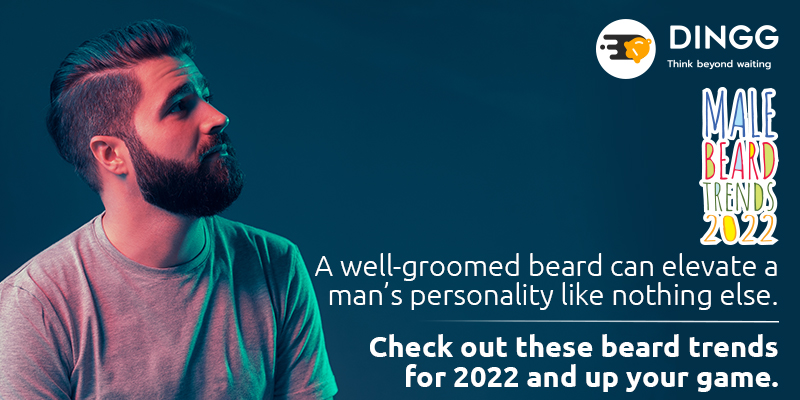
The male beard trend in 2026 continues to evolve from the heavy, maximalist styles of the previous decade toward more refined, deliberate, and maintained looks. The direction is precision: clean lines, defined shapes, and grooming routines that make a beard look intentional rather than grown by default.
For barbers and salon professionals, understanding which beard styles are trending in 2026 shapes service menu decisions, retail product recommendations, and the technical skills worth developing. For clients, knowing the current direction helps them communicate what they want — and what to ask for when their barber asks.
2026 Beard Trends: The Key Directions
The Refined Short Beard
The most dominant beard trend in 2026 is the short, maintained beard — typically 5mm to 15mm in length — kept with precise edge work and regular trimming. This style works across face shapes, requires a committed grooming routine (professional trim every 2 to 3 weeks, daily home maintenance), and has become the workplace-appropriate beard standard in professional environments.
The defining feature of the refined short beard in 2026 is the fade. Where a beard was previously left with a natural hairline, the current trend connects the beard into the haircut through a skin fade or low fade on the cheeks and neck, creating a continuous, barbered look from the hairline through the jaw. The precision of this connection is what separates a maintained beard from a styled one.
The Stubble with Shape
Heavy stubble — 3mm to 5mm — with defined, shaped lines is the beard trend most directly driven by the premium grooming market. At this length, the beard itself requires minimal maintenance but the edge work is everything: a clean neckline below the Adam's apple, defined cheek lines that frame the face rather than following the natural hair growth pattern, and symmetrical shaping that makes a 5-day beard look like a styling choice rather than an oversight.
The stubble with shape is popular among men who do not want the commitment of a longer beard but want the face-framing effect. It is also the style most commonly seen in professional and media environments in 2026, driven partly by its low-maintenance appeal and partly by its ability to look appropriate across formal and casual contexts.
The Corporate Beard
A return to shorter, highly groomed medium beards — 15mm to 25mm — styled to look appropriate in professional settings. The corporate beard in 2026 is characterized by clean necklines, defined cheek boundaries, and a shape that is clearly maintained rather than grown out. Oils and balms are used to create structure and sheen rather than texture. This beard reads as professional discipline rather than grooming casualness.
The Extended Goatee
The goatee in its various forms — chin beard with connected mustache, disconnected chin patch, Van Dyke — has returned as a deliberate style choice in 2026 rather than a dated look. The extended goatee is grown longer (25mm to 50mm on the chin) while the cheeks are kept clean-shaven or at a light stubble level. The contrast between the maintained growth and the clean cheeks is the defining aesthetic.
The Natural Longer Beard (Maintained)
Longer beards remain popular in 2026 but the emphasis has shifted from length to care. A beard at 50mm to 75mm that is conditioned, shaped, and styled daily is the trend; an equivalent length that is simply grown without attention is not. The distinguishing factors are product use (beard oils, balms, and specialized washes visible in the beard's sheen and structure) and edge maintenance (regular professional shaping of the neckline and cheek lines even at longer lengths).
Beard Styles Dominating Barbershops in 2026
Based on service demand patterns across barbershops in India, UAE, and international markets:
- Beard fade with haircut: the single most requested combined service — a haircut that fades seamlessly into the beard edge is now a standard barbershop offering rather than a specialty skill
- Beard line-up and shape: a standalone service (20 to 30 minutes) for clients who maintain their own beard length but want professional edge definition every 2 to 3 weeks
- Hot towel shave with cheek cleanup: paired with the short beard trend, a professional cheek shave that defines the beard boundary has seen significant demand growth
- Beard treatment and conditioning: deep conditioning treatments for beards — beard mask, hot oil, or keratin application — have moved from specialty services to standard menu offerings at premium barbershops
- Beard color and gray coverage: as more men in their 30s and 40s maintain deliberate beard styles, covering gray beard growth or enhancing beard color with semi-permanent tints has become a consistent revenue service
What the 2026 Beard Trend Means for Barbershops and Salons
Higher service frequency: The precision beard styles trending in 2026 require professional maintenance every 2 to 3 weeks rather than the 4 to 6 week cut cycle of a hair-only client. A client with a refined short beard or stubble with shape is potentially a 3-week recurring client rather than a 5-week one. Barbershops that introduce beard maintenance packages — a subscription or pre-paid bundle for regular shape-ups — capture this frequency in advance rather than waiting for the client to rebook.
Retail product attachment: The 2026 beard trend is built on products: beard oils, balms, specialized washes, and styling products. A client who leaves the barbershop with a beard style that requires daily product use is a natural retail client. Recommending the specific product used during the service — 'I used this beard oil for your shaping today, it keeps the edge definition while conditioning the hair' — converts at a significantly higher rate than a generic retail display.
Technical skills worth developing: The beard fade requires a higher level of technical skill than a standard scissor-over-comb beard tidy. Barbershops that train staff specifically on beard fade technique, cheek line shaping, and beard skin fade connections are able to command premium pricing and attract clients specifically for this skill.
Photography for client communication: The beard trend is highly visual. Clients arrive at a barbershop with a reference photo from Instagram or barbershop accounts. A barbershop that maintains its own portfolio of beard styles done on real clients — with permission — both attracts clients who are trying to find the right style and sets accurate expectations for what the finished result will look like.
Beard Grooming Products in Demand in 2026
- Beard oil: lightweight oils (argan, jojoba, sweet almond) that condition without heaviness are the most versatile daily product across short and medium beard lengths
- Beard balm: wax-based balms for medium to longer beards that provide hold and structure alongside conditioning
- Beard wash: pH-appropriate beard-specific cleansers that do not strip natural oils from the beard hair and skin beneath
- Edge control products: light-hold gels or pomades specifically for maintaining the beard edge between professional shape-ups
- Beard serum: newer category — targeted treatments addressing beard itch, patchiness, and growth support through ingredients like biotin, castor oil, and peptide complexes
Frequently Asked Questions
What are the beard trends for men in 2026?
The dominant beard trends in 2026 are the refined short beard (5mm to 15mm with a precise skin fade connecting into the haircut), heavy stubble with defined shape (3mm to 5mm with clean edge work), the corporate beard (15mm to 25mm maintained for professional settings), the extended goatee (longer chin growth with clean cheeks), and the maintained longer beard (50mm to 75mm with active product use and regular professional shaping). The common theme across all 2026 beard trends is precision: deliberate shaping, clean edges, and grooming routines that make the style look intentional.
What beard style is most popular in barbershops in 2026?
The most popular beard style in barbershops in 2026 is the refined short beard with a fade — typically 5mm to 15mm in length with the beard edge faded seamlessly into the haircut using a skin or low fade on the cheeks and neck. This style is requested both as a standalone beard service and as part of a combined hair and beard appointment. It requires professional maintenance every 2 to 3 weeks, making it a high-frequency recurring service for barbershops that offer it consistently.
How should I describe the beard style I want to my barber?
Bring a reference photo — this eliminates 90% of the ambiguity in a beard consultation. Beyond the photo, specify: the length you want on the chin and jaw (in millimeters if possible), whether you want the beard faded into the haircut or kept with a hard edge line, how defined you want the cheek line (natural growth vs. shaped higher), and your at-home maintenance capacity (how much time you can commit to daily grooming). A barber who asks these questions before picking up the clippers is significantly more likely to deliver what you have in mind.