
Why Adding High-Tech Machines Will Sell More Christmas Services
Author
DINGGDate Published

I'll never forget the moment I realized my spa menu had become... well, boring.
It was late October last year, and I was scrolling through Instagram when I saw a competitor's post about their new cryotherapy chamber. The comments were exploding—people tagging friends, asking about holiday gift packages, booking consultations on the spot. Meanwhile, my own holiday promotions were getting the usual polite likes from our regulars, but nothing close to that kind of energy.
Here's the thing: I'd spent fifteen years building a reputation for classic, luxurious spa experiences. Hot stone massages. Aromatherapy. Organic facials. All beautiful, all relaxing, all... increasingly predictable. And as I watched that competitor's engagement numbers climb, I had to ask myself an uncomfortable question: Was I losing ground because I was too attached to tradition?
That question led me down a rabbit hole of research, industry reports, and honest conversations with my own clients. What I discovered changed everything about how I approach our Christmas service menu—and I'm willing to bet it'll change your perspective too.
In this guide, I'm going to walk you through exactly why high-tech machines aren't just a trendy add-on anymore—they're becoming essential for staying competitive during the most lucrative season of the year. We'll cover what "clinical luxury" actually means, which technologies deliver the best ROI, how to market them without alienating your traditional clientele, and what the investment really looks like when you break it down.
So, What Exactly Does "High-Tech" Mean in Today's Spa Industry?
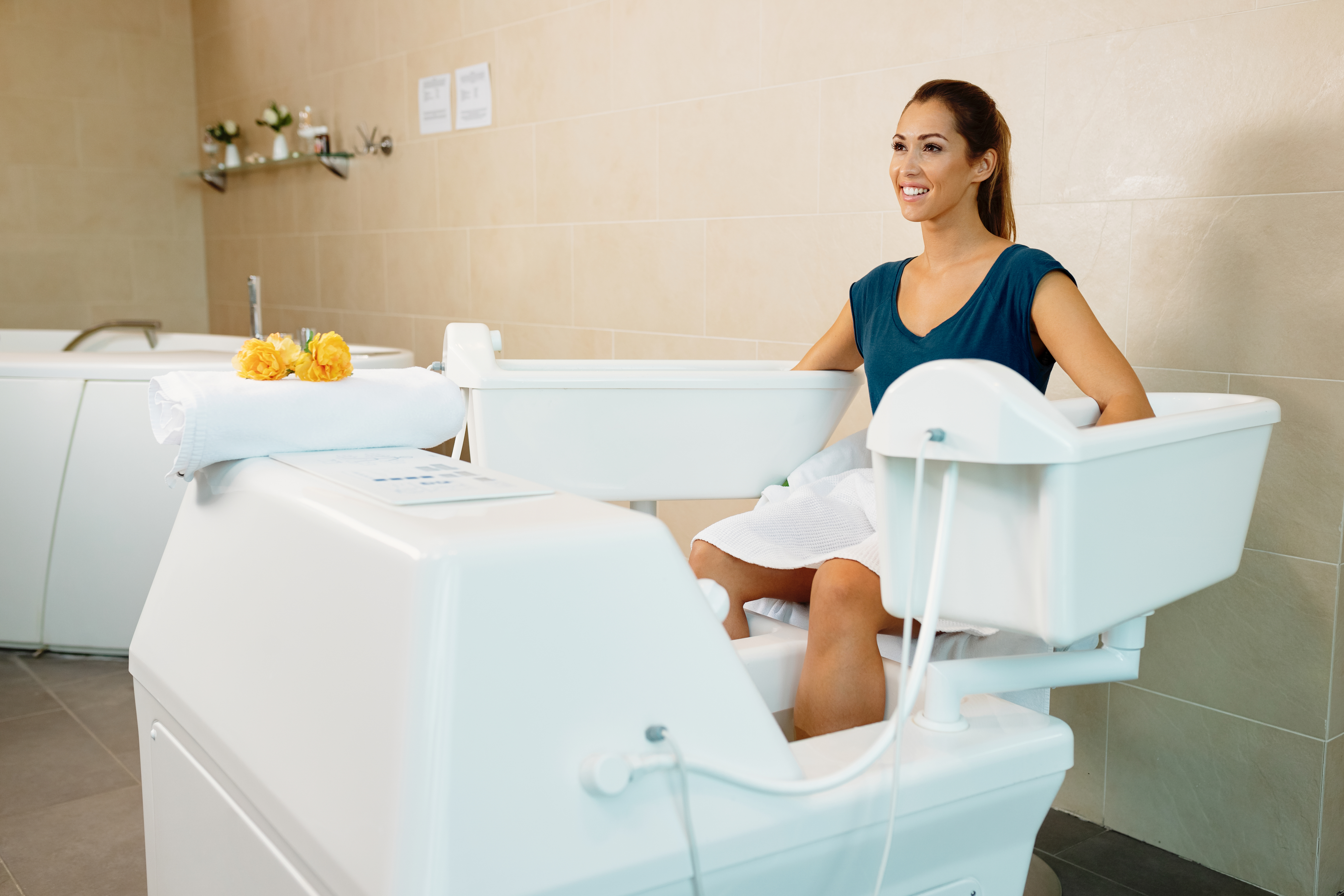
When I first started researching this, "high-tech spa services" felt like one of those vague industry buzzwords. But after implementing several of these machines over the past year, I've come to understand it pretty clearly.
High-tech spa services are non-invasive treatments that use advanced technology—think cryotherapy, red light therapy, ThermoFusion for fat reduction and skin tightening, lymphatic drainage machines, and sophisticated facial rejuvenation devices. These aren't your grandmother's spa treatments (though she might love them too). They deliver visible, measurable results, often with minimal to zero downtime, which is exactly what modern guests want, especially before holiday parties and family gatherings.
The key differentiator? These machines offer what I call "clinical luxury"—the perfect marriage of medical-grade effectiveness with the pampering spa experience people crave. According to recent industry data, ThermoFusion treatments alone can generate $250–$400 per session for body treatments and $175–$350 for facials, while cryofacials typically bring in $125–$200 per session. Compare that to traditional facials that might top out at $150, and you start to see why spa owners are paying attention.
But it's not just about the price point. It's about meeting a fundamental shift in what guests expect when they walk through your doors.
Why Clinical Luxury Is Reshaping Guest Expectations
You know what surprised me most when we introduced our first piece of high-tech equipment? It wasn't the younger clients who got excited—it was our longtime guests in their 50s and 60s.
These were people who'd been coming to us for years for classic treatments. But when we started offering skin tightening with visible results after just one session, they were booking faster than our millennials. Why? Because they'd been seeing these treatments advertised everywhere—at medical spas, on social media, in luxury hotel spas—and they felt like we were finally catching up to what the industry had become.
The Data Behind the Shift
Here's what the research tells us: Modern spa guests, especially during the holiday season, are actively seeking treatments that deliver immediate, visible improvements with minimal downtime. This isn't just preference—it's expectation. A study of luxury resort spas found that non-invasive, results-driven treatments are no longer considered "nice-to-have" but essential components of a premium spa experience.
Think about the timing. Your guests are preparing for holiday events, family photos, New Year's parties. They don't have two weeks to recover from a treatment. They need to look refreshed by Friday's office party, not three weeks from now.
What Guests Are Actually Asking For
When I started really listening to consultation conversations, I noticed patterns:
- "I want something that actually works, not just relaxation"
- "My friend got this treatment at [competitor] and her skin looked amazing the next day"
- "Do you have anything for... you know... this?" (gesturing at their jawline, stomach, arms)
- "I saw this thing on Instagram where they..."
These aren't demands for medical procedures. They're requests for effective treatments delivered in a spa environment they trust. That's the clinical luxury sweet spot.
How Do High-Tech Services Actually Work in Practice?
Let me walk you through what implementation looked like for us, because I think the reality is more approachable than you might imagine.
We started with red light therapy and a basic cryofacial machine—relatively modest investments compared to some of the bigger equipment. The red light therapy bed cost us about $8,000, and we integrated it into our existing treatment rooms. No construction needed. No massive renovation. We literally just... added it.
The Revenue Math That Changed My Mind
Here's what happened in our first holiday season with these two additions:
Before high-tech (previous December):
- Average facial service: $125
- Average body treatment: $150
- Most popular package: 3 treatments for $400
After adding high-tech (first December with new equipment):
- Cryofacial with red light therapy: $200
- Body contouring package (3 sessions): $850
- Most popular package: "Glow & Sculpt" bundle at $650
But here's the part that really mattered: Our treatment rooms weren't sitting empty anymore. We went from 60% booking capacity in early December to 94% by mid-November. People were pre-booking for January, which had never happened before.
Integration with Traditional Services
One mistake I almost made? Thinking these had to be standalone services. Actually, the magic happened when we started bundling.
Our "Luna Glow Ritual"—inspired by similar packages at luxury resorts—combines a traditional body wrap with our new lymphatic drainage machine, adds a scalp massage (classic technique), finishes with a cryofacial, and includes a CBD wellness shot and champagne. It's $385 for 90 minutes, and it's become our signature holiday treatment.
The guests get the relaxation they associate with spa experiences plus the results-driven benefits they're seeing advertised everywhere else. Win-win.
What Are the Main Benefits of Adding High-Tech Machines?
I'm going to be straight with you about this because I wish someone had been straight with me: The benefits are substantial, but they're not all immediate, and they're not all about revenue.
Revenue Benefits (The Obvious Ones)
Higher price points: Our average transaction value increased by 42% in the first six months after introducing high-tech services. Not every client books them, but enough do that it significantly moved the needle.
Attracts new clientele: We started seeing a completely different demographic—people who'd never considered themselves "spa people" but were interested in body contouring or skin tightening. These clients tend to be less price-sensitive and more results-focused.
Increases repeat bookings: This was unexpected. Because many high-tech treatments work best in a series (3-6 sessions), we suddenly had clients pre-booking multiple appointments. Our December calendar was filling in October.
Competitive Benefits (The Strategic Ones)
Menu differentiation: When three new spas opened within five miles of us last year, we didn't lose market share. Why? Because they were all offering variations of the same traditional services. We had something they didn't.
Marketing content: High-tech equipment photographs beautifully. Our Instagram engagement tripled when we started showing behind-the-scenes of treatments. People are genuinely curious about how these machines work.
Premium positioning: This was subtle but important. Adding clinical luxury services elevated our entire brand perception. Suddenly we weren't just a relaxation spa—we were a destination for transformation.
Operational Benefits (The Unexpected Ones)
Staff enthusiasm: My team was getting bored. I didn't realize it until they started training on new equipment and lit up with excitement. Giving them new skills to master reinvigorated the whole culture.
Extended season: Traditionally, January and February were slow for us. Now, with clients booking treatment series that start in December, we're seeing much more consistent revenue through Q1.
What Are the Drawbacks and Challenges You Should Know About?
Okay, real talk. Because it hasn't all been smooth sailing, and I think you deserve to know what you're getting into.
The Financial Investment Is Significant
Our initial investment for two pieces of equipment was about $23,000. That's not pocket change for most spa owners. And that's on the lower end—a comprehensive ThermoFusion machine can run $40,000-$60,000.
We financed ours over three years, which made the monthly payments manageable, but I won't pretend that wasn't a stressful decision. I spent weeks building financial models, calculating break-even points, and losing sleep over "what if this doesn't work?"
For what it's worth, we broke even in eight months. But I had a solid pre-booking strategy and invested heavily in staff training and marketing. Your mileage may vary.
Staff Training Takes Time and Money
Here's something I underestimated: the learning curve. It's not enough to buy the machine—your staff needs to become genuinely confident and competent with it.
We invested in:
- Manufacturer training (usually included with purchase)
- Additional certification courses ($500-$1,500 per staff member)
- Practice time (we blocked treatment rooms for staff to practice on each other)
- Ongoing education (attending conferences, webinars)
Budget at least 40-60 hours of training time per staff member for each major piece of equipment. And honestly? Some staff members will be more comfortable with high-tech treatments than others. That's okay. You don't need everyone to do everything.
Maintenance and Downtime Are Real Concerns
Three months after we got our cryotherapy machine, it stopped working the day before Thanksgiving. The busiest booking week of our year. I almost had a panic attack.
Maintenance contracts are essential. We now pay about $3,000/year for service agreements on our equipment, and it's worth every penny for the peace of mind. But factor that into your ongoing costs—these machines aren't "set it and forget it."
Client Education Is Ongoing
You'll spend a lot of time explaining how treatments work, what results to expect, and managing expectations. Some clients think "non-invasive" means "miraculous overnight transformation." It doesn't.
We created detailed consultation protocols, before-and-after photo collections (with permission), and realistic timelines for results. This takes time but prevents disappointed clients and negative reviews.
When Should You Invest in High-Tech Equipment?
This is probably the most important question, and the answer isn't "immediately" for everyone.
You're Ready When...
Your traditional services are consistently booked: If you're struggling to fill appointments with your current menu, adding expensive equipment isn't the answer. Fix your core offerings and marketing first.
You have capital or financing available: Don't drain your emergency fund for this. You need cushion for the learning curve period and unexpected expenses.
Your market shows demand: Are competitors offering these services? Are clients asking about them? If you're in a market where "spa" still primarily means relaxation and massage, you might be too early.
You have staff buy-in: If your team is resistant to change or uncomfortable with technology, forcing it will create problems. You need enthusiastic champions on your staff.
You Should Wait If...
You're still establishing your core business: New spa owners, this probably isn't your first move. Build your foundation first.
Cash flow is tight: The ROI can be great, but the initial investment is real. If you're already stressed about payroll, this will compound that stress.
Your space isn't suitable: Some equipment requires specific electrical setups, ventilation, or room sizes. Factor in renovation costs if needed.
What Mistakes Should You Avoid with High-Tech Machines?
I made most of these mistakes so you don't have to. You're welcome.
Mistake #1: Buying Based on Sales Pitch Instead of Market Demand
The sales rep for our first machine was very persuasive about a particular treatment. It sounded amazing. We bought it. Then discovered that literally no one in our market knew what it was or cared about it.
Better approach: Survey your existing clients. Look at what competitors are successfully selling. Check Google Trends for treatment names in your area. Buy what people are actually searching for, not what sounds coolest.
Mistake #2: Underpricing Because You're Nervous
When we first introduced cryofacials, I priced them at $100 because I was worried no one would pay more for something "new." That was stupid. We were immediately booked solid, which sounds good but meant we were leaving money on the table.
Better approach: Price based on market rates, your costs, and the value delivered. You can always run promotions. It's much harder to raise prices later without annoying existing clients.
Mistake #3: Not Creating Package Options
Standalone treatments are fine, but the real revenue is in series and bundles. We didn't figure this out for months.
Better approach: From day one, offer:
- Single session (highest per-session price)
- 3-session package (10-15% discount)
- 6-session package (20% discount)
- "Experience" bundles that combine high-tech with traditional services
Mistake #4: Poor Photography and Marketing
We bought beautiful equipment and then... took terrible photos of it with our phones in bad lighting. Our marketing didn't do justice to the investment.
Better approach: Hire a professional photographer for launch. Get shots of the equipment, the treatment process, happy clients (with permission), and results. Budget $1,000-$2,000 for this. It's marketing material you'll use for years.
Mistake #5: Neglecting the Experience Around the Technology
Here's what I learned: People don't just want the treatment. They want the experience of the treatment. We initially focused so much on the technology that we forgot about ambiance, customer service, and the little touches that make spa visits special.
Better approach: Integrate high-tech treatments into your spa's existing atmosphere. Use the same attention to music, lighting, aromatherapy, and hospitality that you use for traditional services. The technology should enhance your brand, not replace it.
How Can Cryotherapy and Red Light Therapy Enhance Christmas Packages?
Let me tell you about our "Holiday Glow" package, because it's become our biggest seller and perfectly illustrates how to integrate these technologies.
The Package Structure
"Holiday Glow" - $425 for 2 hours
- 30-minute full-body red light therapy session
- 60-minute hot stone massage with CBD oil
- 15-minute cryofacial
- 15-minute scalp treatment and styling
- Complimentary champagne and chocolate truffles
- Take-home gift: luxury face mask
Why This Works
Red light therapy is perfect for pre-holiday packages because it:
- Reduces inflammation and redness (great before events)
- Boosts collagen production for that "glow"
- Requires zero downtime
- Feels luxurious and high-tech without being intimidating
- Photographs beautifully for social media
Cryotherapy is ideal because:
- Immediately tightens skin and reduces puffiness
- Results are visible same-day (crucial for last-minute bookings)
- The "wow factor" creates word-of-mouth marketing
- Can target specific concerns (face, neck, décolletage)
The Marketing Angle
We market this as "Red Carpet Ready" treatment—the same technology celebrities use before big events. It's not just spa pampering; it's strategic beauty preparation.
The response has been incredible. We're booking this package from early November through New Year's Eve, with peak demand the week before Christmas (office parties) and the week after (New Year's events).
Pricing Strategy for Holiday Tech Packages
Here's how we structure our holiday tech offerings:
Entry Level ($150-$200):
- Single cryofacial or red light session
- Perfect for first-time tech clients
- Often purchased as add-ons to traditional services
Mid-Tier ($350-$500):
- Combined tech + traditional packages
- Our "Holiday Glow" fits here
- Targets the gift card market
Premium ($800-$1,200):
- Multi-session series purchased in November/December
- Includes body contouring, multiple facial treatments
- Marketed as "New Year, New You" programs
The key? Create a clear progression so clients can start small and upgrade as they become comfortable with the technology.
What Is the ROI on High-Cost Wellness Technology Investments?
This is the question that kept me up at night, so I'm going to give you actual numbers from our experience.
Our Investment Breakdown
Initial Equipment Purchase:
- Red light therapy bed: $8,000
- Cryotherapy machine: $15,000
- Installation and setup: $2,000
- Total: $25,000
First-Year Operating Costs:
- Maintenance contracts: $3,000
- Staff training and certification: $4,500
- Marketing and photography: $2,500
- Supplies and consumables: $1,800
- Total: $11,800
First-Year Total Investment: $36,800
First-Year Revenue Generated
Direct Revenue (from new tech services only):
- Q4 (Oct-Dec): $42,000
- Q1 (Jan-Mar): $28,000
- Q2 (Apr-Jun): $18,000
- Q3 (Jul-Sep): $15,000
- Total: $103,000
Indirect Revenue (estimated):
- Clients who booked tech services and added traditional services: $31,000
- New clients attracted by tech offerings who became regulars: $18,000
- Total: $49,000
Total First-Year Revenue Impact: $152,000
The Real ROI Picture
First-Year Net: $152,000 - $36,800 = $115,200 profit ROI: 313%
Now, I need to be honest—our results might be better than average because:
- We're in a market with high demand and limited competition for these services
- We invested heavily in marketing and staff training
- We already had a strong client base to market to
- We priced confidently from the start
But even if your results are half of ours, we're still talking about a very healthy ROI.
The Long-Term Value
Here's what the numbers don't fully capture: the clients we retained because we stayed competitive. How do you quantify the revenue from clients who would have gone elsewhere if we hadn't evolved?
In conversations with clients, several have explicitly said they were considering trying newer spas but stayed with us because we offered what they were looking for. That retention value is massive but hard to measure precisely.
Break-Even Timeline
We reached break-even at 8 months. Industry averages suggest 12-18 months is more typical for high-tech spa equipment, depending on:
- Initial investment amount
- Market demand and pricing
- Marketing effectiveness
- Booking capacity and utilization rates
How Do You Market Biohacking as a Premium Gift?
"Biohacking" felt like such a weird term to use in spa marketing. I resisted it for months. But then I realized—that's exactly what our younger, affluent clients were searching for.
Reframing Technology as Biohacking
Instead of just "red light therapy," we started calling it "cellular optimization" and "biohacking your glow." Instead of "cryotherapy," we talked about "activating your body's natural healing response."
This wasn't dishonest—these are accurate descriptions. But the language shift attracted a completely different audience: high-achieving professionals who think about wellness as performance optimization, not just relaxation.
The Gift Market Strategy
Holiday gift packages are HUGE for spa revenue, but they're also incredibly competitive. Here's how we positioned our tech services as premium gifts:
"The Biohacker's Gift Set" - $600
- 3 red light therapy sessions
- 2 cryofacials
- 1 lymphatic drainage treatment
- Consultation with personalized protocol
- Premium packaging with "science of beauty" information card
Marketing angles that worked:
"Give the gift of optimization, not just relaxation"
"For the person who has everything—give them the technology celebrities use"
"Science-backed beauty that actually delivers results"
Social Proof and Influencer Strategy
We partnered with a local fitness influencer (12,000 followers) to document her experience with a treatment series. The content was authentic—she genuinely loved the results—and her audience was exactly our target market for biohacking services.
That partnership cost us $1,500 worth of free services. It generated an estimated $8,000 in bookings from her audience in the following month. Worth it.
The Educational Content Approach
We created a series of blog posts and Instagram content explaining the science behind our treatments:
- "How Red Light Therapy Boosts Collagen at the Cellular Level"
- "The Cryotherapy Effect: Why Cold Triggers Healing"
- "Understanding Lymphatic Drainage for Detox and Sculpting"
This educational approach positioned us as experts and attracted clients who wanted to understand why treatments work, not just what they do.
What Are the Staff Training Requirements for Advanced Modalities?
This was honestly more complex than I anticipated, so let me break down what's actually required versus what's optional but beneficial.
Mandatory Training
Manufacturer Certification: Most equipment comes with required training, usually 8-16 hours of instruction on:
- How to operate the equipment safely
- Understanding contraindications (who should NOT receive treatments)
- Basic troubleshooting
- Cleaning and maintenance protocols
This is typically included in your purchase price, but additional staff members might cost $500-$1,000 each to certify.
Safety and Liability: You need documentation that staff are properly trained. This protects you legally and ensures client safety. Keep certificates on file and track renewal requirements.
Recommended Additional Training
Consultation Skills: High-tech services require different consultation approaches than traditional spa treatments. We invested in training on:
- Setting realistic expectations
- Understanding when to recommend (or not recommend) treatments
- Creating customized treatment protocols
- Documenting progress and results
Business and Upselling Training: Teaching staff how to naturally recommend treatment series, package upgrades, and complementary services increased our average transaction value by 30%. This wasn't pushy sales training—it was education on how to genuinely serve clients better.
Our Training Timeline
When we introduced new equipment, here's what the timeline looked like:
Week 1-2: Manufacturer training and initial certification
Week 3-4: Staff practice on each other (this was actually the most valuable part—they understood the client experience)
Week 5-6: Discounted services to friends and family for real-world practice
Week 7: Full launch with staff who felt confident and competent
Don't rush this. We tried to launch too quickly with our first machine, and the staff anxiety was palpable. Clients can sense when providers aren't confident.
Ongoing Education
The technology evolves, new protocols emerge, and best practices change. We budget for:
- Annual refresher training: $500/staff member
- Industry conference attendance: $1,500/year for 2 staff members
- Online courses and webinars: $300/year
This ongoing investment keeps our team sharp and ensures we're offering current, effective treatments.
How Does Integrated Scheduling Support Complex Tech Wellness Journeys?
Here's something I didn't anticipate: High-tech services completely changed our scheduling complexity.
The Old Way (Traditional Services)
Client books a 60-minute massage. Shows up. Gets massage. Books next one in a few weeks or months. Simple.
The New Reality (Tech Wellness Journeys)
Client books initial consultation (15 minutes). Returns for first treatment in a series of 6 (60 minutes each, spaced 5-7 days apart). Wants to add complementary services. Needs to coordinate with specific equipment availability and certified staff. Requests before-and-after photos. Requires progress tracking.
Suddenly our simple booking system was completely inadequate.
What Actually Works
We switched to DINGG (full transparency—I researched about a dozen systems before choosing this one), and it solved several problems simultaneously:
Treatment Series Management: The system lets us book entire series at once, with automated reminders spaced appropriately. Clients can see their full journey, and we can track where they are in their protocol.
Equipment and Staff Coordination: We can tag specific treatments with equipment requirements and staff certifications, so the system only shows available appointments when both the right equipment AND properly trained staff are available.
Progress Tracking: Built-in note-taking and photo upload features let us document results throughout a client's journey. This is crucial for high-tech services where visible progress is the whole point.
Automated Communication: Pre-treatment instructions (like "no caffeine 4 hours before cryotherapy") automatically go out. Post-treatment care instructions too. This reduced our no-shows and improved results because clients were properly prepared.
The ROI of Better Scheduling
This might sound like a small operational detail, but better scheduling directly impacted revenue:
- Reduced no-shows: Down from 12% to 3% with automated reminders and prep instructions
- Increased series completion: Up from 68% to 91% when clients pre-book entire series
- Better equipment utilization: Our machines went from 60% utilization to 87% when we could accurately manage availability
- Staff efficiency: Reduced time spent on phone calls and scheduling coordination by approximately 6 hours per week
That last point? Six hours per week freed up for my manager means 6 hours she can spend on higher-value activities like staff development and customer relationship building.
What Consumer Data Signals the Demand for Technology Integration?
Let me share some numbers that convinced me this wasn't just a passing trend.
The Market Size Reality
According to industry research, the global wellness technology market is growing at about 15% annually. But here's what's more relevant to spa owners: consumer spending on non-invasive aesthetic treatments grew by 23% year-over-year in recent periods.
That's not medical procedures—that's spa-appropriate technology. The demand is real and accelerating.
Search Behavior Data
When I looked at Google Trends data for our region, I found:
- "Cryotherapy near me" - up 340% over 3 years
- "Red light therapy spa" - up 280% over 3 years
- "Body contouring non-invasive" - up 195% over 3 years
People are actively searching for these services. If your spa doesn't appear in those results, you're invisible to a growing segment of potential clients.
Demographics Driving Demand
The data shows demand across surprisingly diverse demographics:
Millennials (25-40): Seeking preventative treatments and wellness optimization; influenced by social media; willing to invest in results-driven services
Gen X (41-56): Wanting non-invasive alternatives to cosmetic procedures; higher disposable income; focused on "aging well"
Baby Boomers (57-75): Increasingly open to technology; seeking to maintain active lifestyles; often less price-sensitive
What surprised me? The Boomer demand. I assumed high-tech services would primarily attract younger clients. Actually, our 55+ demographic is our fastest-growing segment for these services.
The Competitive Landscape Shift
Here's a telling data point: In our market, 3 years ago, only 2 out of 15 spas offered any high-tech services. Today? Eleven out of 15 do.
That's not a trend—that's a fundamental market shift. The question isn't whether to add technology; it's how quickly you can do it before you're left behind.
Frequently Asked Questions
How much should I budget for high-tech equipment as a first-time investment?
Start with $15,000-$30,000 for entry-level equipment like red light therapy or basic cryotherapy. This gives you meaningful technology without overwhelming your budget. Plan for an additional 40-50% of purchase price for first-year operating costs including training, marketing, and maintenance.
Can high-tech services work in a small spa with limited space?
Absolutely. Red light therapy beds can fit in standard treatment rooms, and many cryo machines are compact. We operated our first tech services in a 1,200 square foot space. Focus on equipment that integrates into existing rooms rather than requiring dedicated space.
How do I convince traditional spa clients to try high-tech treatments?
Bundle them with familiar services they already love. Offer a complimentary 10-minute red light session as an add-on to their regular massage. Once they experience the benefits in a low-pressure way, they're much more likely to book standalone tech services.
What's the minimum staff size needed to offer high-tech services?
You need at least two certified staff members for coverage and consistency. With only one trained person, you're vulnerable to scheduling limitations and staff turnover. Three is ideal for a small operation.
How do I handle clients who have medical contraindications?
Create a detailed intake form that screens for contraindications before booking. Train staff to recognize red flags and when to require physician clearance. Better to turn away one client than risk injury. We keep a list of local doctors familiar with these treatments for referrals.
Should I finance equipment or pay cash?
If financing doesn't strain your cash flow, it's often smarter than depleting reserves. We financed at 4.9% over 36 months, which let us keep $20,000 in the bank for marketing and operational cushion. The equipment paid for itself before the loan was halfway done.
What happens if a machine breaks during peak season?
This is why maintenance contracts are non-negotiable. Ours includes priority service and loaner equipment. We also learned to have backup plans—when our cryo machine was down for three days, we offered complimentary upgrades to other premium services rather than refunds, which maintained goodwill.
How long before I see ROI on high-tech investments?
Realistic timeline is 8-18 months depending on market demand, pricing strategy, and marketing effectiveness. Our break-even was 8 months, but we had strong pre-launch marketing and immediate demand. Budget conservatively for 12-15 months.
Can I start with just one piece of equipment?
Yes, and probably should. We started with red light therapy, validated demand, then added cryotherapy six months later. This staged approach reduced risk and let us learn before making bigger investments. Don't try to transform your entire menu overnight.
How do I price high-tech services competitively?
Research what medical spas and competitors charge, then price at the higher end of the range if your spa experience is superior. Don't underprice due to nervousness. These are premium services with real costs. Our cryofacials are $25 more than competitors, but our ambiance and service justify it.
Bringing It All Together: Your Next Steps
So here we are. You've made it through 2,500 words of my hard-earned insights, mistakes, and victories in the high-tech spa world. Let me bring this home with some practical guidance.
If You're Convinced and Ready to Move Forward
Immediate actions (this week):
- Survey your existing clients about interest in specific treatments
- Research 3-5 equipment manufacturers and request demos
- Review your current cash flow and financing options
- Identify which staff members are most excited about technology
Next 30 days:
- Attend equipment demos and ask hard questions about maintenance, training, and support
- Create financial projections with conservative assumptions
- Visit competitors or non-competing spas in other markets that offer similar services
- Begin conversations with your team about training requirements
Next 90 days:
- Make your equipment decision and place order
- Schedule manufacturer training
- Plan your launch marketing campaign
- Update your booking system to accommodate new services
If You're Intrigued But Not Ready
That's completely valid. Not every spa is in position to make this investment right now. Consider these alternatives:
Lower-risk options:
- Partner with equipment companies for rental or revenue-share arrangements
- Start with smaller, less expensive equipment (like LED light therapy masks for facials)
- Offer tech services as limited-time promotions to test demand without full commitment
- Focus on training and systems improvements first, technology second
If You're Skeptical
I respect that too. High-tech isn't right for every spa, and blind trend-following is dangerous. Stick with your traditional services if:
- Your current model is highly profitable and sustainable
- Your market genuinely doesn't show demand for these services
- Your brand identity is specifically built around traditional, low-tech experiences
- Your cash flow doesn't support the investment risk
But stay aware of market trends. What's not relevant today might become essential in two years.
The Bigger Picture
Here's what I've come to believe after this journey: The spa industry is experiencing a fundamental evolution. The line between "wellness spa" and "medical spa" is blurring. Clients want the best of both worlds—the pampering and escape of traditional spa experiences combined with the measurable results of clinical treatments.
The spas that thrive in the next five years will be those that successfully integrate both. Not abandoning tradition, but enhancing it with technology. Not choosing between relaxation and results, but offering both.
That's the clinical luxury sweet spot. And it's where the smart money is going.
One Last Thought
Remember that competitor whose Instagram post made me question my entire business model? We're now friendly collaborators. She refers clients to us for services she doesn't offer, and we do the same for her. The market is big enough for multiple successful players.
But I'll tell you this: I'm really glad I didn't wait another year to make the investment. Because in this industry right now, standing still is the same as falling behind.
If you're a spa owner feeling that same nervous excitement I felt scrolling through Instagram last October, trust that instinct. Do your research, run your numbers, start small if you need to—but don't let fear of change keep you from evolving your business.
Your Christmas services deserve to be as innovative as your clients expect them to be.
Looking to streamline your spa operations as you introduce new high-tech services? DINGG offers AI-powered scheduling, client management, and automated marketing tools specifically designed for growing wellness businesses. Our system helps you manage complex treatment series, track client progress, and maximize equipment utilization—so you can focus on delivering exceptional experiences rather than wrestling with administrative headaches. Try DINGG free for 30 days and see how the right technology behind the scenes supports the technology in your treatment rooms.