
Why the UAE Beauty Industry Is Booming - And How Smart Salon Owners Are Actually Capitalizing
Author
DINGGDate Published
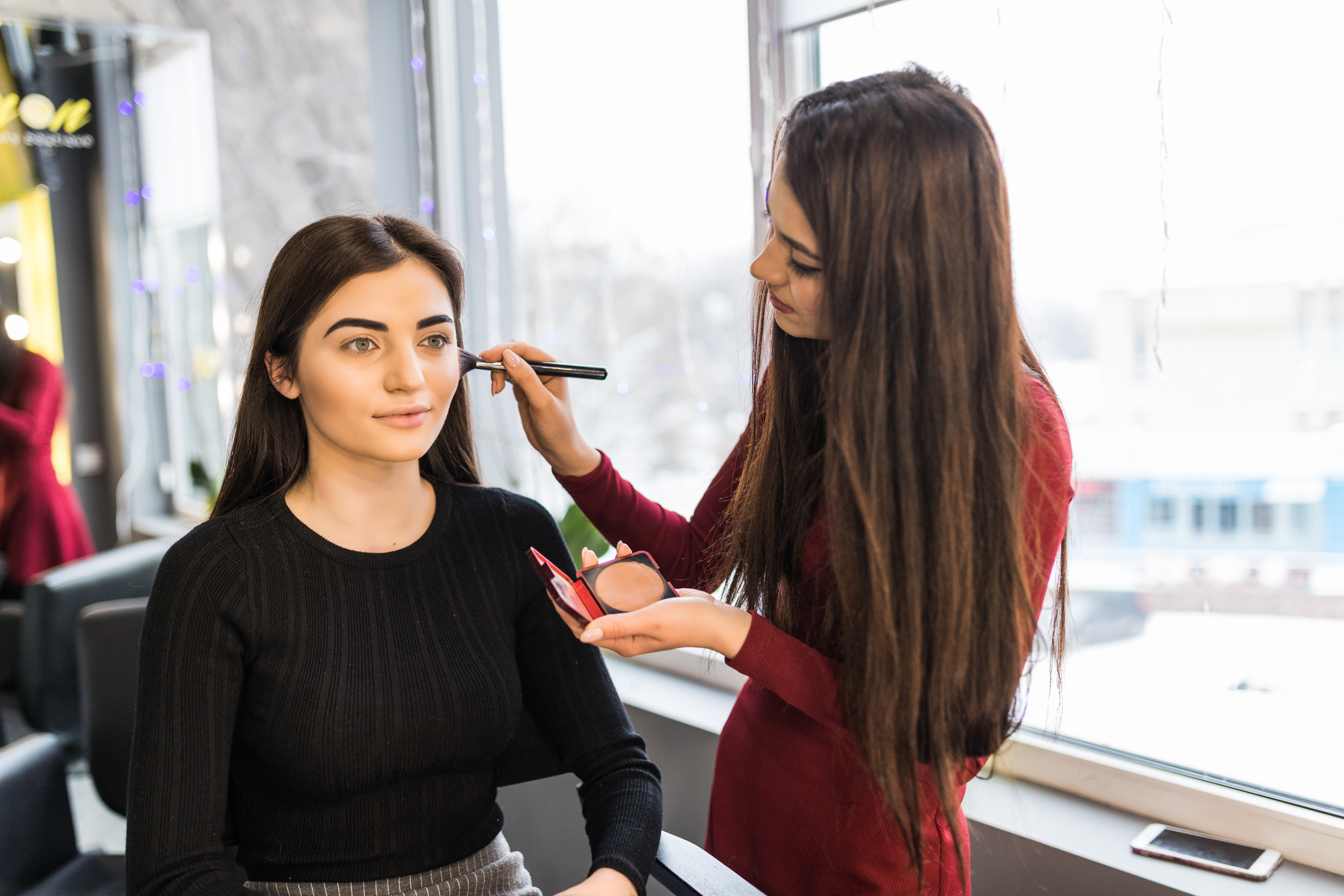
It was 11 PM on a Thursday during Dubai Shopping Festival when I got a panicked voice note from a salon owner friend in JLT. Three double-bookings. Two no-shows she couldn't track. A Filipino receptionist and an Arab stylist who'd been scheduling clients on separate WhatsApp threads all week. Her Excel sheet looked like a crime scene.
That chaos? It's the dirty underside of what everyone's calling the UAE beauty boom.
Here's your reader promise: by the end of this guide, you'll know exactly how to ride this $7.5 billion wave without drowning in operational mess — and you'll have a phase-by-phase execution plan to do it.
The Pre-Flight Check: Are You Actually Ready?
Before you chase the boom, lock these down:
- Your niche clarity. Are you targeting the Social Hedonist luxury crowd, the Eco Pioneer organic seekers, or the 55% under-30 youth demographic driving K-beauty trends?
- Your supply chain integrity. Grey-market counterfeits claim 15% of regional beauty revenue. If you can't trace your product certs, you're bleeding margin and trust.
- Your booking infrastructure. If your team still runs on WhatsApp groups and physical registers, you're not ready to scale during DSF or Ramadan rushes.
Stop/Go Test: Can you describe your ideal client profile and your booking workflow in one sentence each? If not, stop here and sort that first.
Phase 1: Understand What's Actually Driving the Boom
Dubai's cosmetics market alone hits $1.31 billion by 2025, growing at 1.89% CAGR through 2030. The UAE holds 29.3% of the entire Middle East and Africa beauty share. Those aren't vanity numbers — they represent real foot traffic walking past your door.
What's fueling it:
- Per capita beauty spend is among the world's highest, juiced by tax-free luxury positioning.
- Women's beauty spend rose 11% in 2023 alone, driven by workforce participation gains.
- Organic cosmetics CAGR of 12.4% through 2033 — clients aren't just spending more, they're spending differently.
- MENA fragrance growth at 11% annually, with regional heritage brands like Lattafa and Ajmal commanding loyalty that imported brands can't touch.
Visual Checkpoint: Pull up your sales data from the last Ramadan or DSF period. You should see a 20-30% spike in bookings. If you don't, you left money on the table — and the problem is almost certainly operational, not demand.
Verification: Check your top 10 selling products. Are 7 or more halal-certified or organic? If yes, you're aligned with the 63% of UAE and Saudi consumers demanding exactly that. If no, your inventory is fighting the market.
Phase 2: Fix the Operational Chaos Before You Scale
Here's what nobody talks about at beauty expos: the boom is actually crushing small salons that can't handle the volume.
Market saturation is real. Brands in the UAE surged 28% between 2020 and 2023. That means more competition, thinner margins, and pricing wars that punish anyone without operational efficiency.
I've seen salons with gorgeous interiors and talented stylists lose repeat clients simply because their booking system was a mess. A client tries to rebook after a great blowout — and gets a "seen" on WhatsApp at 2 AM. Gone.
Here's the execution path:
Step 1: Kill the Excel/WhatsApp stack. Smart scheduling through a centralized platform means your diverse staff — Arabic, Tagalog, Hindi speakers — all see the same calendar. No more double-bookings during peak hours.
Step 2: Build personalized profiles for every client. Store preferences, visit history, product sensitivities. Your cosmopolitan populace expects this. A regular client who told one stylist she's allergic to parabens shouldn't have to repeat that to the next.
Step 3: Automate your inventory control. With counterfeits flooding grey-market channels, you need automated alerts when stock dips and audit trails that verify supplier halal certs. Scan 10 shelf products right now — if fewer than 7 have proper certification, you've got a grey-market risk sitting in plain sight.
Step 4: Get real-time reports running. Track sales by service, by stylist, by location. You can't fight saturation pricing if you don't know which treatments actually make you money.
Visual Checkpoint: Your drag-and-drop calendar should show zero double-bookings across a full DSF week. Orange "Booked" icons should fill peak slots without overlap. If you're still seeing Excel error rates above 5%, the system isn't working.
Verification: Run a test week. Book 20 appointments across two staff members using your new system. Manually confirm each one. Zero conflicts = Go.
Struggling with multi-location scheduling chaos? DINGG's smart scheduling and multi-location support let you manage appointments, staff, and rooms across all your branches from one centralized platform — with real-time reports that track performance at a glance. Explore DINGG's salon management tools
Phase 3: Turn the Boom Into Repeat Revenue
Getting clients through the door during DSF is easy. The UAE beauty industry throws tourists at you. Keeping them? That's the real game.
Step 1: Launch loyalty rewards and membership programs. Customizable loyalty programs give clients a reason to come back after the festival rush ends. Membership tiers with exclusive perks — priority booking, birthday treatments, early access to new organic lines — build the kind of brand equity that survives saturation.
Step 2: Deploy targeted marketing with customer segmentation. Don't blast the same Ramadan promo to everyone. Segment by behavior: your Eco Pioneers get organic facial bundles, your fragrance lovers get heritage scent pairings with spa rituals (bundle those Lattafa sets with a 20% premium — it works), and your youth demo gets K-beauty Instagram drops.
Step 3: Use gift cards strategically. Shareable gift cards turn one happy client into two. During peak seasons, they're basically free acquisition tools.
Step 4: Close the feedback loop. Client feedback through forms and surveys tells you exactly why repeats drop post-DSF. Usually it's generic stock or impersonal service — both fixable with the right data.
Visual Checkpoint: Your Instagram analytics should show 55% under-30 engagement on fragrance and trend posts. Your client feedback polls should reflect that 63% of respondents want ethical, halal-certified products. If you're below 10% conversion on social, your segmentation is off.
Verification: Compare repeat booking rates month-over-month for 90 days after implementing loyalty programs. A 15% uplift in fragrance bundle sales confirms your pricing strategy is working against saturation.
The Ugly Truth: Ghost Errors Nobody Mentions
Problem
The Weird Fix
Source
Repeat clients vanish after DSF despite great service
Grey-market products eroding trust — cross-check supplier halal certs against Gulf Research Center lists; stock verified regional brands like Ajmal
Industry Reports [3]
Booking chaos spikes with diverse multilingual staff
WhatsApp-to-calendar sync breaks under volume — replace with centralized platform that handles multi-lingual scheduling
E-commerce Adoption Data [4]
Organic upsells flatline despite 12.4% CAGR demand
Saturation hides real halal demand — run Instagram Story polls to surface the 63% client interest you're missing
Consumer Survey Data [3]
Fragrance margins squeezed despite 11% annual growth
Stop competing on price — bundle heritage scents with spa rituals for 20% premium positioning
MENA Fragrance Reports [2]
FAQ: The Implementation Questions That Actually Matter
How long before digital booking systems show ROI for UAE salons?
Expect 6-12 months for compounding returns, mirroring the market's 1.89% CAGR growth pace. DSF and Ramadan periods can accelerate results with 20-30% booking spikes within the first season if your 24/7 online booking is live and frictionless.
How do small salons fight counterfeit product infiltration?
Source from verified regional suppliers like Ajmal and Lattafa. Use inventory control with automated audit trails to flag uncertified stock. That 15% revenue loss to grey-market fakes is recoverable with proper supplier verification.
What's the best way to handle staff management across diverse teams?
Centralized staff management that tracks attendance, commissions, and schedules across Arabic, Tagalog, and Hindi-speaking teams. Monitor everything from one dashboard — easy invoices, performance reports, and shift coverage included.
How should salons target the under-30 youth demographic?
Stock K-beauty and organic lines, then run targeted marketing through automated WhatsApp and Instagram campaigns. Customer segmentation based on age and preference data converts browsers into bookings.
The UAE beauty market isn't slowing down. But the salons that win won't be the ones with the fanciest interiors — they'll be the ones whose operations can actually keep up with demand.
Ready to run your salon like the market demands? DINGG gives you AI-powered booking, personalized client profiles, inventory control, and targeted marketing — all from one platform built for the complexity of UAE beauty. See how DINGG works for your salon