
Why the UAE is a Global Hub for Luxury Salons & Spas
Author
DINGGDate Published
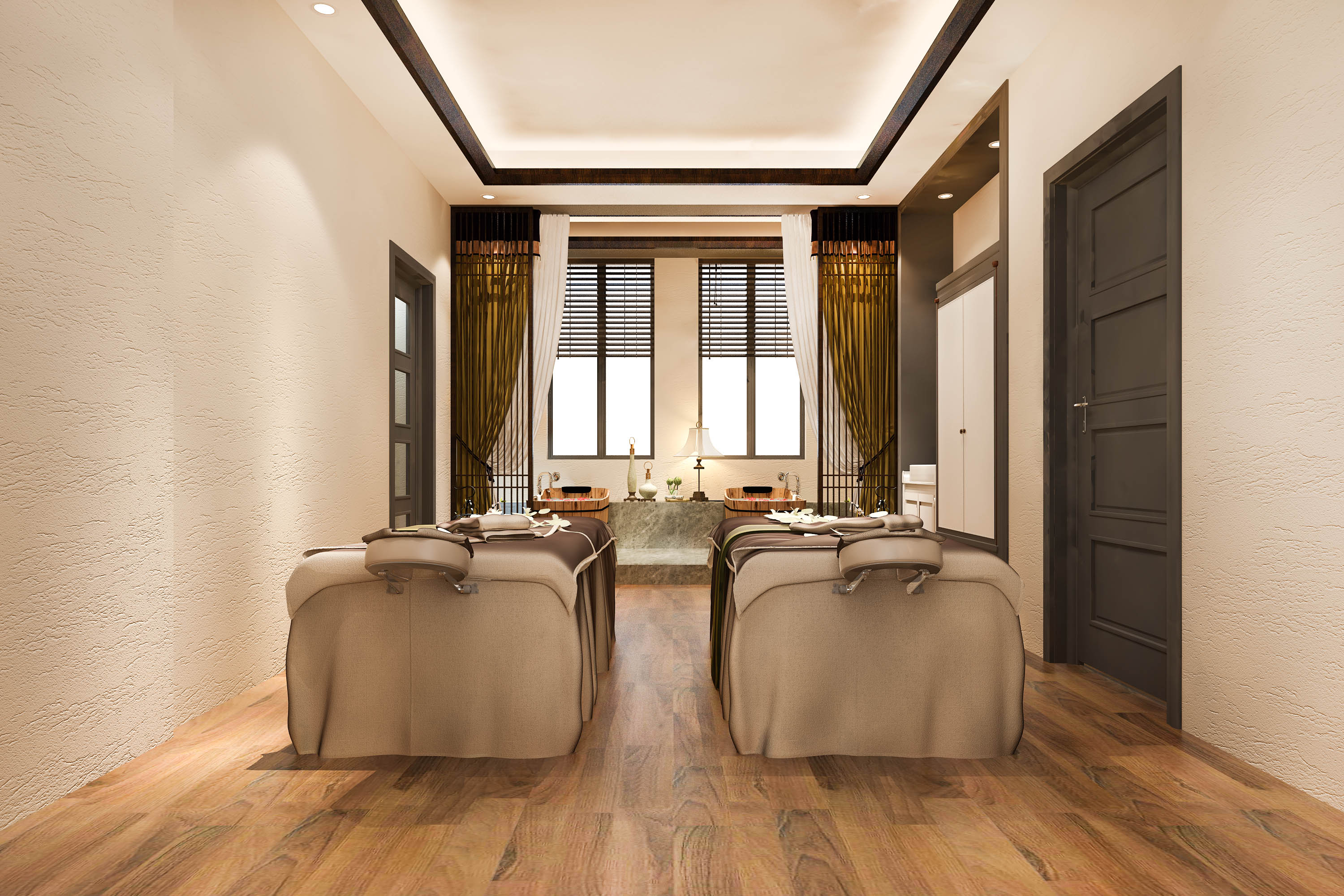
The 11 PM Booking That Changed Everything
I was sitting in my Dubai Marina apartment, half-asleep, when my phone buzzed. A client—visiting from Riyadh on a 48-hour stopover—wanted a full facial and hair treatment booked for 7 AM the next morning. My front desk was closed. My WhatsApp booking thread was already 200 messages deep. And my Excel sheet? Let's just say it had seen better days.
I lost that booking. A USD 400+ service, gone, because my system couldn't handle what this market demands: speed, availability, and luxury-grade precision at any hour.
That moment forced me to rethink everything about running a salon in the UAE. And honestly? It's the reason I'm writing this.
Here's my promise: By the end of this guide, you'll understand exactly why the UAE is the world's most fertile ground for luxury salons and spas—and you'll have a concrete operational playbook to actually capture the opportunity instead of watching it slip through a WhatsApp thread.
Pre-Flight Check: Are You Actually Ready for This Market?
Before we get into execution, let's be honest about readiness. The UAE luxury spa market hit USD 2,262.56 million in 2024 and is projected to reach USD 3,878.21 million by 2033 at a 6.12% CAGR. That's not a casual market. It rewards operators who are prepared and punishes those who wing it.
Your Stop/Go test: Can you describe, in one sentence, who your ideal client is and what makes your service worth a premium in a city with thousands of salons?
If you can't, pause here. Nail that down first. Everything else builds on it.
What you need locked down before moving forward:
- A clear premium positioning (mass market still holds 67.65% share—you don't want to compete there)
- A digital booking system that works 24/7 (not WhatsApp, not a notebook)
- A multi-lingual team strategy (your staff likely includes Filipino, Indian, Arab, and Western professionals—communication gaps cost real money)
- Basic client data infrastructure (if your HNWI clientele data lives in someone's head, you've got a problem)
Phase 1: Understand Why This Market Is Unlike Anything Else
The UAE isn't just "a good market." It's structurally engineered for luxury wellness growth. Here's what's actually driving it.
Non-oil GDP growth hit 4.6%, and that directly correlates to higher disposable spend on premium spa treatments. The government isn't hoping wellness tourism grows—they're building the infrastructure for it. We're talking 315,000 new hotel keys tied to luxury hospitality integration. Every one of those hotels needs spa partnerships.
Plus, the Vision 2030 spillover from Saudi Arabia is boosting spa tourism footfall by roughly 15% across shared KSA-UAE travel circuits. Clients aren't just local—they're regional, international, and they expect bespoke experiences at every touchpoint.
Visual Checkpoint: Pull up your last quarter's client data. If more than 50% of your bookings come from tourists or HNWI clientele, you're positioned correctly. If not, your partnerships and marketing need a serious audit.
Verification: Check your top 10 revenue-generating clients. Are they repeat visitors or one-and-done? If it's mostly one-and-done, your retention infrastructure is broken.
The premium products segment is growing at 7.1% CAGR—outpacing mass market significantly. That's a clear signal: high-margin, personalized luxury services are where the money's moving.
Phase 2: Build Your Operations for a Multi-Location, Multi-Lingual Reality

Here's where most small chain owners (1-3 branches) start bleeding money without realizing it.
You've got a diverse team. That's a strength—until it becomes an operational nightmare. Booking overlaps happen when three staff members are managing appointments across WhatsApp, a physical register, and maybe a shared Google Sheet. I've seen it firsthand. Double-bookings from multi-lingual miscommunication aren't rare; they're almost guaranteed without a centralized system.
What your operations need to look like:
- Smart scheduling with drag-and-drop calendar management that handles appointments, staff allocation, and room assignments in one view. No more cross-referencing three different sources.
- Real-time reports tracking sales, inventory, and staff performance at a glance—not at month-end when the damage is already done.
- Inventory control with automated alerts. In a luxury environment, running out of a signature product mid-service is reputation damage you can't afford.
- Staff management that covers attendance, commissions, and schedules. With 45% annual turnover being an industry norm, you need systems, not tribal knowledge.
- Multi-location support from one centralized platform. If you're running two branches and using separate systems for each, you're doubling your admin burden for zero benefit.
Visual Checkpoint: After implementing centralized scheduling, your calendar should show zero booking conflicts across all branches for a full week. If you're still seeing overlaps, your migration isn't complete.
Verification: Randomly check 5 bookings across different staff members. Each should show the correct client, service, time, and room—with no manual correction needed.
Phase 3: Capture and Retain the High-Value Client
The medical aesthetics segment is the largest driver of that 6.12% CAGR. Expat clients are driving roughly 40% of revenue in this category for well-positioned spas. But here's the nuance most people miss: capturing these clients is only half the battle. Retaining them in a transient, tourism-heavy market is the real game.
Your retention stack needs:
- Personalized profiles that store client preferences, treatment history, and notes. When an HNWI returns six months later, they expect you to remember their exact preferences. That's not a nice-to-have—it's table stakes in this market.
- Loyalty rewards programs that are actually customizable. Generic point systems don't move the needle for luxury clients. Exclusive perks, tiered memberships, priority booking—that's what builds long-term relationships.
- Gift cards that clients can share. In the UAE's gifting culture, this is a surprisingly powerful acquisition channel that most small operators ignore entirely.
- Client feedback collection that's systematic, not ad hoc. You need structured forms and surveys to gather insights and personalize the experience over time.
- Targeted marketing through automated email, SMS, and WhatsApp campaigns with real customer segmentation—not blasting the same promotion to everyone.
Visual Checkpoint: Your client database should show tagged segments (tourist, resident, HNWI, medical aesthetics) with automated campaign flows attached to each. If everyone's in one undifferentiated list, you're leaving serious revenue on the table.
The Ugly Truth: What Nobody Talks About
Problem
What's Actually Happening
The Practical Fix
Booking chaos
Double-bookings via WhatsApp/Excel from multi-lingual staff miscommunication
Migrate to API-synced salon booking software with centralized calendar
Tourist no-shows
30%+ cancellation rates from transient visitors
Implement deposit-based online booking with automated reminders
Revenue leakage
Premium upsells go untracked on basic registers
Use salon management software with real-time reporting and HNWI data tagging
Competitive squeeze
Top 5 players hold 35-40% market share through hotel integrations
Develop bespoke hospitality partnerships; differentiate through personalized service
The mass market dominance at 67.65% creates a pricing friction that small luxury operators feel acutely. You're not competing on volume. You're competing on experience—and your back-end systems need to reflect that.
Your Operations Shouldn't Be the Bottleneck If any of the problems above sound familiar, it's worth looking at what purpose-built salon booking systems can do. We built DINGG specifically for this—AI-powered booking that lets clients schedule anytime from anywhere, multi-location support from one dashboard, and smart scheduling that eliminates the WhatsApp chaos. It's the kind of infrastructure that lets you focus on the client experience instead of fighting your own systems. Explore DINGG's salon management platform →
FAQs: The Implementation Questions That Actually Matter
How long does it take to migrate from WhatsApp/Excel to a proper salon booking system?
Most small chains complete the migration in 1-3 months. The first two weeks are data cleanup—client records, service menus, staff schedules. After that, it's training and parallel running. Don't try to switch overnight; run both systems for at least two weeks to catch gaps.
Why does premium upselling fail even when HNWI clients are walking in?
Because mass market bias (67.65% of the market) trains staff to default to standard packages. Without customer segmentation tools and personalized profiles flagging high-value clients, your team won't know who to upsell—or what to offer them.
How can a 1-3 branch salon compete with major players holding 35-40% market share?
You can't out-scale them. But you can out-personalize them. Bespoke experiences—the kind that AL Faisaliah Spa built its reputation on—are replicable at smaller scale with the right hair salon software tracking preferences and automating loyalty rewards.
What's the real ROI timeline for investing in salon appointment app technology?
Expect measurable impact within 3-6 months: reduced no-shows from automated reminders, increased rebooking from personalized follow-ups, and cleaner revenue tracking. The 6.12% CAGR projection rewards operators who compound these small gains consistently.
The UAE luxury spa market isn't slowing down. The question isn't whether there's opportunity—it's whether your operations can keep up with a clientele that expects perfection at every touchpoint.