Why Walk-ins + Online Bookings Create Chaos Without a System
Author
DINGGDate Published
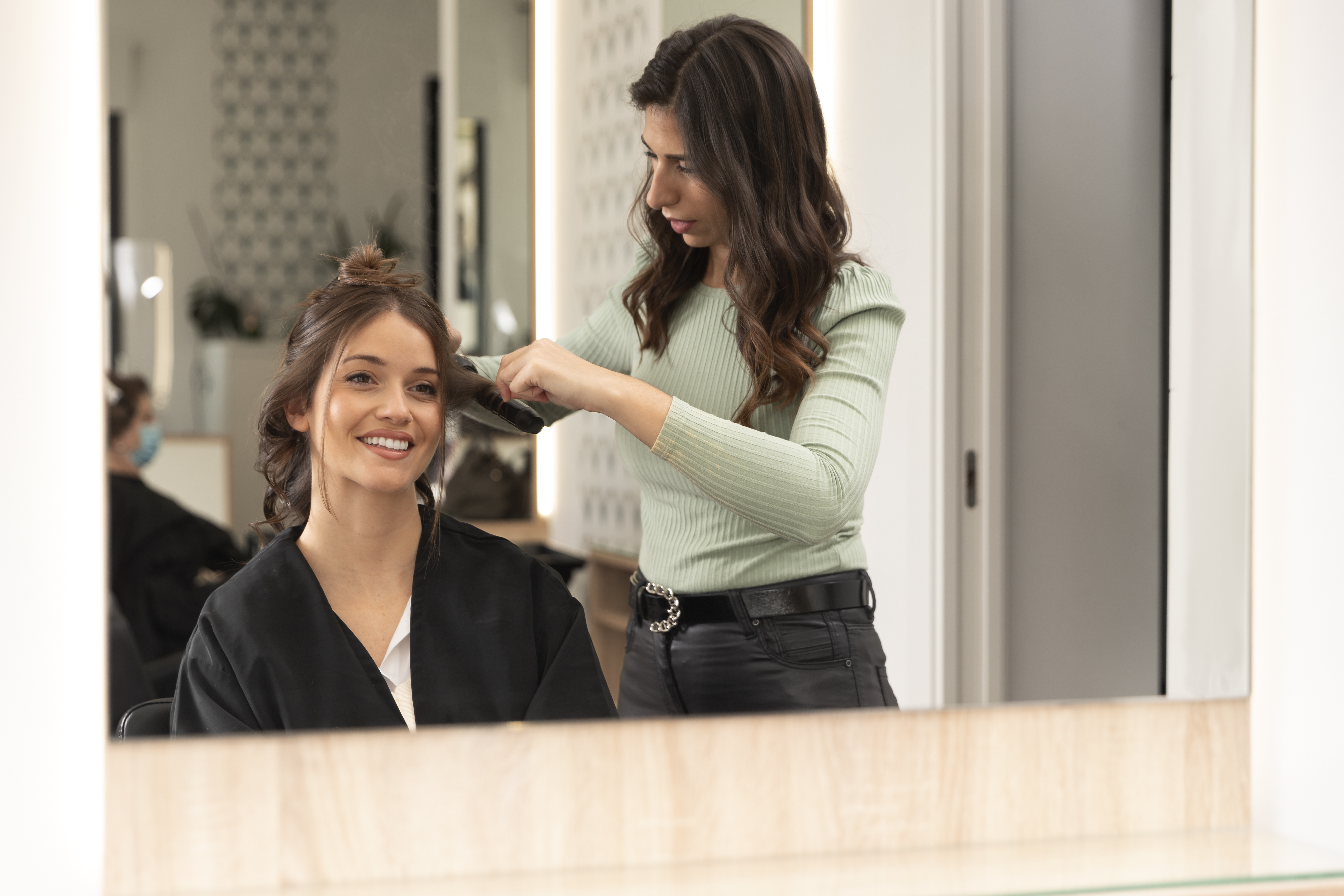
It's 2 PM on a Friday in your Dubai salon. Two clients are standing at reception—both convinced they have the same slot with your senior colorist. One booked online at midnight. The other walked in ten minutes ago and your receptionist penciled her in because the WhatsApp thread said the slot "looked free." Your stylist is staring at you. Both clients are staring at you. And the Excel sheet on the front desk? It's showing a completely different story.
I've watched this exact scene play out more times than I can count. And here's what nobody tells you: the problem isn't walk-ins. It isn't online bookings either. It's running both without a unified salon booking system connecting them in real time.
By the end of this guide, you'll have a phased, executable plan to eliminate double-bookings, recover lost walk-in revenue, and stop the scheduling chaos that's silently bleeding your business dry.
Before You Start: The Pre-Flight Check
You don't need fancy tech literacy for this. But you do need three things locked down:
- A count of your service stations and active stylists (not headcount—actual chairs and hands available per hour).
- Your current booking channels listed out—paper diary, WhatsApp, Instagram DMs, Google, a website widget, whatever. All of them.
- Honest acknowledgment that your current setup has CRM fragmentation—client data living in three or more places.
Stop/Go test: Can you tell me, right now, how many appointment slots you have open tomorrow at 4 PM across all channels? If the answer requires checking more than one place, you need this guide.
Phase 1: Map Every Booking Entry Point (And Kill the Redundant Ones)
What to do: Grab a sheet of paper. Write down every single way a client can book or show up—online widget, phone call, walk-in, DM, WhatsApp message, a friend-of-a-friend text to your stylist's personal number.
Now circle the ones that feed into a single, shared calendar.
For most salon owners I talk to? Nothing's circled. That's your capacity bleed right there—online bookers consuming 100% of your visible slots while walk-ins get turned away or, worse, squeezed in on top of existing appointments.
Visual Checkpoint: You should now have a messy, honest list. If it's clean and short, you're either lying to yourself or you've already solved this.
Verification: Show this list to your receptionist. Ask them to add any channels you missed. They will.
The friction here is real: about 40% of first-time clients never return when there's no follow-up system—that's appointment churn you can't afford. And every untracked walk-in is a client whose preferences vanish the moment they leave.
Phase 2: Build the Capacity Split (The 70/30 Rule)
This is where most salons go wrong. They open 100% of their calendar to online bookings and then panic when walk-ins show up with nowhere to sit.
What to do:
- Block 30% of your peak-hour slots as walk-in-only. These don't appear on your online booking widget. They exist only in your salon management software's internal calendar.
- The remaining 70% is available for online and phone bookings.
- During off-peak hours, flip it—open 90% to online bookings. Walk-in traffic is naturally lower at 10 AM on a Tuesday.
Visual Checkpoint: Your calendar should now show color-coded blocks—green for confirmed online bookings, yellow for reserved walk-in capacity, red for breaks, gray for off-duty staff. If everything's one color, you haven't segmented properly.
Verification: Open your calendar view for next Friday at 5 PM. Can you instantly see which stylists have walk-in capacity? If yes, Phase 2 is done.
Here's an expert nuance most booking guides skip: set your system to auto-block slots when stylist utilization hits 90%. Manual override should require manager approval. This single rule prevents peak-hour bottlenecks from spiraling into double-booking disasters.
Phase 3: Automate the Client Communication Layer
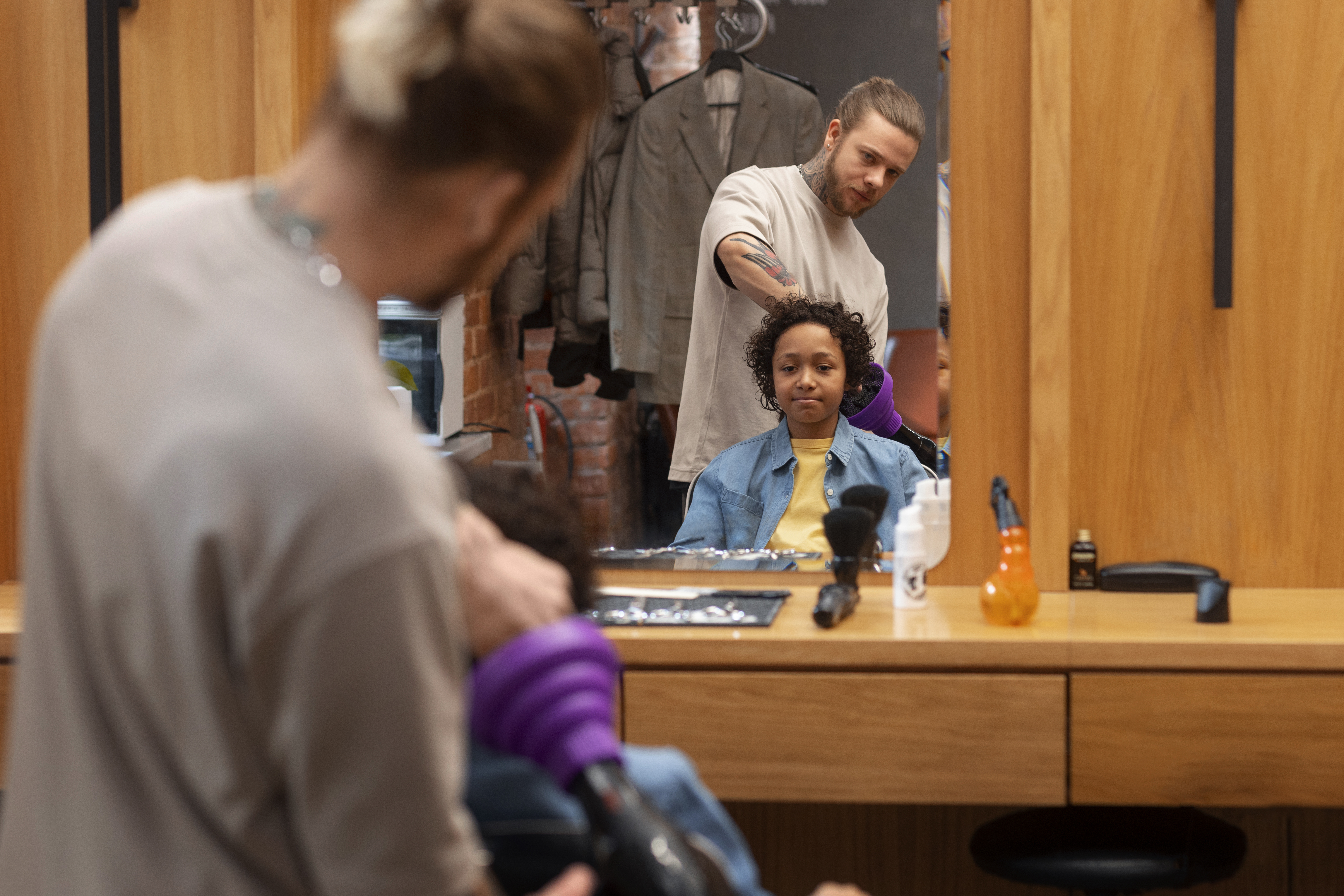
No-show rates in UAE salons commonly hit 25% before automated reminders are in place. That's a quarter of your booked revenue evaporating.
What to do:
- Set up automated WhatsApp reminders (not just SMS—SMS gets flagged as spam in the UAE far more often). Send one reminder 24 hours before, another 2 hours before.
- For walk-ins who give their number at reception, trigger a post-visit rebooking message within 48 hours. Include the stylist's name and a personalized recommendation.
- Collect deposits at booking for services over AED 200. Make them non-refundable for cancellations under 24 hours. This kills deposit forfeiture risk overnight.
Visual Checkpoint: In your salon appointment app's automation dashboard, you should see active reminder sequences with delivery confirmation rates above 85%. If you're below that, your messaging channel is wrong.
Verification: Check your no-show count after 30 days. It should drop by at least 40%. If it hasn't, your reminders are landing in spam or your deposit policy isn't being enforced at the front desk.
And here's the thing nobody wants to say out loud—staff will ignore the system if there's no incentive. Tie commission payouts directly to data entry in your hair salon software. If a stylist doesn't log the appointment, they don't get paid on it. Sounds harsh. Works immediately.
Your Scheduling Chaos Has a Fix You've just built the framework—now you need the software that actually runs it. DINGG's salon booking software handles real-time calendar syncing, multi-lingual WhatsApp reminders, and automated deposit collection in one dashboard built specifically for UAE salons. See how DINGG's booking system works →
Phase 4: Close the Data Loop
This is where the system either holds or falls apart over time.
What to do:
- Require receptionists to update client preference cards at every visit—not just the first one. Preferred stylist, product allergies, service notes. Client preference amnesia is what makes a returning guest feel like a stranger.
- Run weekly commission reports (not monthly). Let staff verify their numbers in real time. This eliminates disputes and builds trust in the system.
- Reconcile inventory through barcode scanning at checkout. Manual stock counts get abandoned within weeks—every salon owner knows this. Inventory drift is silent and expensive.
Visual Checkpoint: Pull up any returning client's profile. You should see their full service history, preferred stylist, language preference, loyalty points, and last visit notes—all loading in under 10 seconds.
Verification: Randomly check 5 client profiles. If even one is outdated or incomplete, your staff isn't updating consistently. Retrain and re-enforce.
The Ugly Truth: What Actually Goes Wrong
Problem
The Weird Fix
Why It Works
Staff reverts to WhatsApp scheduling within 2 weeks
Tie commission calculations exclusively to system-logged appointments
Financial incentive beats habit every time
Multi-lingual data entry errors (Arabic names mistyped)
Implement voice-to-text at booking; reduces typos ~70%
Removes manual keystroke errors entirely
Walk-in capacity gets overridden by eager receptionists
Require manager PIN for walk-in slot overrides during peak hours
Creates accountability without slowing service
Clients don't see online reminders
Switch primary channel to WhatsApp; use SMS only as fallback
WhatsApp open rates in UAE dwarf email and SMS
Rebooking velocity tanks after cancellations
Auto-send rebooking offer with stylist recommendation within 48 hours
Personalization drives action; generic messages don't
FAQ
How long does it take to see results after implementing a salon booking system?
Most salon owners see a measurable drop in no-shows within 30 days of activating automated reminders and deposit collection. Full operational smoothing—where staff consistently uses the system and walk-in conflicts disappear—typically takes 60-90 days with active enforcement.
Is it worth keeping walk-in availability if most clients book online?
Absolutely. Walk-ins represent unplanned revenue that online-only models miss entirely. The key is reserving dedicated walk-in capacity so they don't collide with pre-booked appointments. A 70/30 split between online and walk-in slots during peak hours is a proven starting framework.
What's the biggest mistake salons make when switching to booking software?
Not tying staff accountability to the system. If stylists can still operate via WhatsApp or paper without consequences, adoption collapses within weeks. Commission tracking through the salon management software is the single strongest adoption lever.
Can a small salon with 2-3 staff justify a booking system?
The math is simple: if you're losing even two clients per week to double-bookings or no-shows, that's potentially AED 1,600+ monthly in lost revenue. A cloud-based salon appointment app pays for itself in the first month for most small operations.
DINGG was built for exactly this kind of operational complexity—multi-lingual teams, mixed walk-in and online traffic, VAT reconciliation, and the reality that your receptionist is juggling six things at once. If your current setup still involves cross-referencing WhatsApp and an Excel sheet, it might be time to run your booking infrastructure through something purpose-built.