
I'll never forget the afternoon Priya walked into my spa for her bridal consultation. She'd clicked through from Instagram, filled out our form at 11 PM, and booked her slot within hours. Everything looked perfect on paper—wedding in four months, budget mentioned as "flexible," interested in our premium package. I spent forty-five minutes with her, showed before-and-afters, explained our signature bridal glow protocol, even threw in a complimentary skin analysis. She smiled, nodded, took our brochure, and said those dreaded words: "Let me think about it and get back to you."
She never did.
That consultation cost me ₹132 in marketing spend, an hour of chair time, and—here's what really stung—a potential ₹45,000 package sale. Worse? She wasn't alone. I was converting barely 40% of my bridal consultations while watching my marketing costs climb. Something was fundamentally broken in my process, and I didn't even realize it.
If you're reading this, you're probably in the same boat. Your Instagram's working. Brides are booking consultations. But when it comes to closing those high-ticket packages? Crickets. The problem isn't your treatments or your pricing—it's what's happening (or not happening) in that consultation room. Let me show you exactly where most bridal consultations fall apart and, more importantly, how to fix them.
What Is the Real Cost of a Failed Bridal Consultation?
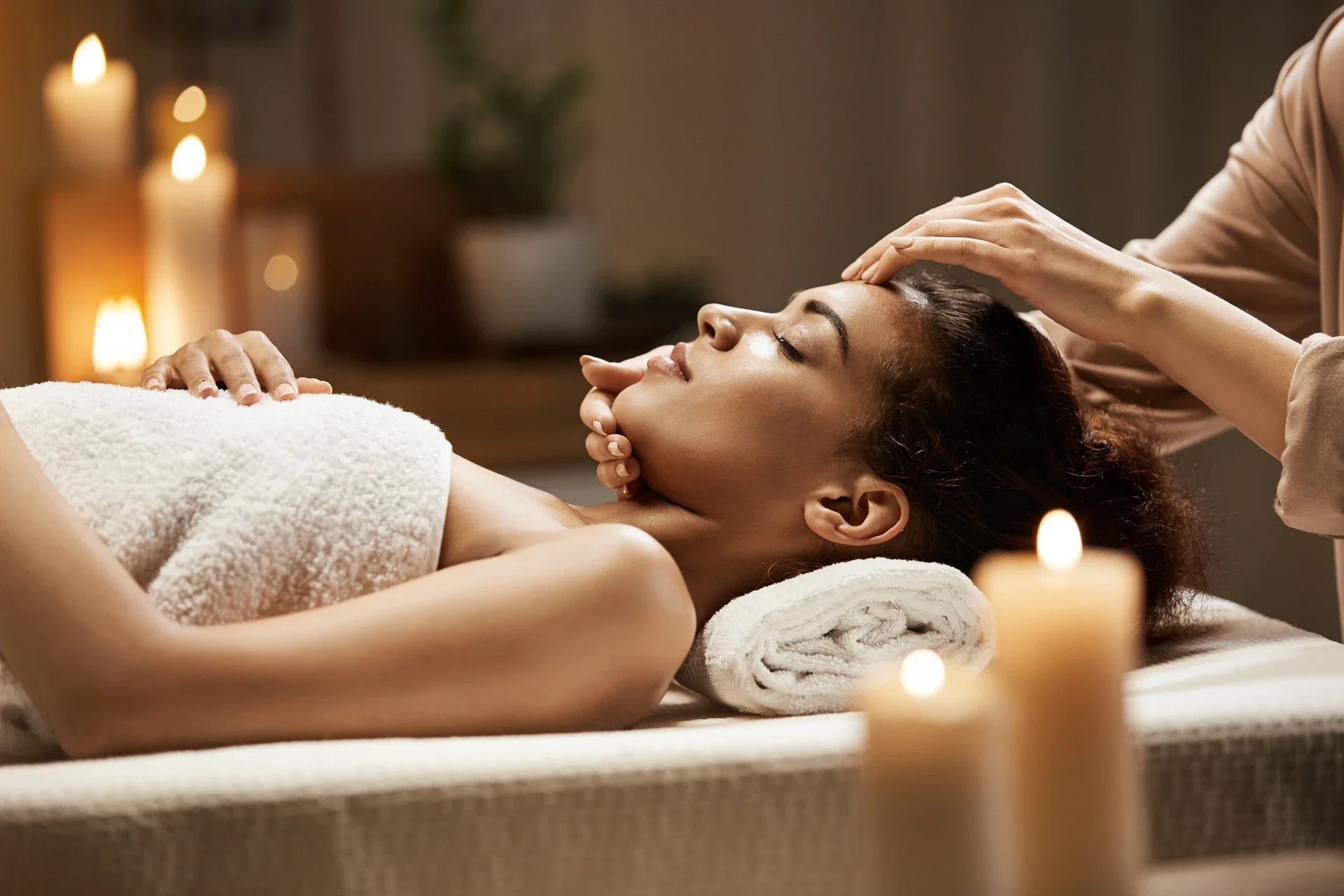
Here's something most spa owners don't calculate: the true opportunity cost of a consultation that doesn't convert.
The average cost per acquisition for aesthetic practices sits around $132[1]. For a bridal consultation specifically, you're likely spending more—between ₹150-200 when you factor in social media ads, booking platform fees, and the time your front desk spends confirming appointments. Now multiply that by every bride who walks out without booking.
But wait, it gets worse.
A failed bridal consultation doesn't just cost you the marketing spend. You're losing:
The package value itself: ₹25,000-₹75,000 depending on your offerings
Referral potential: Brides typically bring 2-3 bridesmaids or family members
Post-wedding retention: A satisfied bridal client converts to a regular client 60% of the time
Social proof: Wedding content is your most shareable marketing asset
Let me put this in perspective. If you're running 20 bridal consultations monthly at a 40% conversion rate, you're closing 8 packages. Bump that to 70% conversion (which is absolutely achievable), and you're closing 14. That's 6 additional packages monthly—potentially ₹2.7-4.5 lakhs in additional monthly revenue from the exact same marketing spend.
The math is brutal. Every failed consultation represents roughly ₹50,000-₹75,000 in lost lifetime value when you factor in the package, referrals, and retention.
How Do You Move the Conversation from Price Shopping to Value-Based Proposals?
This is where most consultations die.
The bride asks, "How much for your bridal package?" and you answer with a number. Consultation over. She's now comparing your ₹45,000 to the spa down the street's ₹28,000, and you've already lost because you're competing on price alone.
I learned this the hard way. For months, I was leading with pricing because I thought transparency built trust. It does—but only after you've established value. Here's the framework that changed everything for me:
The Value Ladder Approach
Step 1: Start with their timeline and vision
Don't talk about your packages yet. Instead, ask:
"When's your wedding date?"
"Walk me through your vision—what do you want to see when you look in the mirror that day?"
"What's making you anxious about your skin right now?"
These questions do something critical: they shift the conversation from transactional to transformational. You're not selling services; you're solving specific problems with deadlines attached.
Step 2: Diagnose before prescribing
This is where most consultations skip ahead too quickly. I spend 10-15 minutes on skin analysis, not because I need that long technically, but because the bride needs to see what I'm seeing. I use a skin scanner and show her:
Areas of concern she didn't even know existed
How her current routine is (or isn't) working
What will happen if she doesn't address certain issues before the wedding
This creates urgency without being pushy. I'm not saying "buy now"—I'm showing her why waiting is risky.
Step 3: Build the custom solution
Now—and only now—do I introduce treatments. But I never start with packages. I build it modularly:
"Based on what I'm seeing, here's what I'd recommend: We need to start with three sessions of microneedling to address the texture concerns. That's going to take about six weeks with proper healing time. Then we'll layer in a chemical peel series for the pigmentation—another four weeks. Finally, we'll do your pre-wedding glow treatments in the last two weeks."
Notice what I'm doing? I'm creating a timeline-based treatment plan, not listing services. The bride isn't thinking "That's expensive"—she's thinking "That makes sense for my timeline."
Step 4: Anchor to outcomes, not features
When I finally introduce pricing, I never say "Our premium package is ₹65,000 and includes six treatments." Instead:
"This protocol will give you clear, even-toned skin with that natural glow everyone's going to notice in your photos. Investment-wise, we're looking at ₹65,000, which breaks down to about ₹10,800 per treatment over the next four months."
See the difference? I'm selling the outcome (photo-ready skin) and reframing the price as a per-treatment investment over time.
The Three-Tier Presentation
Here's the structure I use every single time:
Tier 1: Foundation Package (₹28,000-35,000) Covers the essentials—basic facials, minimal invasive treatments. I present this as "what we can do with a tighter timeline or budget."
Tier 2: Premium Package (₹45,000-65,000) This is where most brides land. Comprehensive treatment plan, includes the hero treatments (microneedling, peels, dermaplaning), and addresses multiple concerns.
Tier 3: Luxury Package (₹75,000-1,25,000) Full transformation—includes body treatments, advanced procedures, unlimited touch-ups, and typically sells to about 15% of brides who want everything.
I always present all three, starting with Tier 2. Why? Because when brides see the Foundation package, they often think "That's not enough for my wedding," and when they see Luxury, Tier 2 suddenly feels reasonable by comparison. It's basic pricing psychology, but it works.
According to research on psychographic targeting, understanding a bride's lifestyle, values, and aspirations significantly impacts conversion rates[6]. That's why I ask about her Instagram presence, her wedding venue, and her guest count—these details tell me which tier she's actually going to choose, regardless of what she says her budget is.
What Data Points Must Be Captured During the Consultation for Effective Follow-Up?
This is the piece most spa owners completely miss.
Your consultation isn't just about closing the sale that day—it's about building a systematic follow-up process for the 60% who don't book immediately. But you can't follow up effectively if you don't know what to say.
Here's what I capture in every single consultation (I use a digital form that syncs directly with our CRM system):
Essential Data Points
Timeline Information:
Exact wedding date
When they started planning treatments
Any pre-wedding events (engagement shoot, sangeet, mehendi)
Whether they've booked other vendors yet
Why this matters: If she hasn't booked her makeup artist yet, she's still in early planning mode and might need more time. If everything else is booked, she's ready to commit.
Concern Hierarchy:
Primary concern (what she mentioned first)
Secondary concerns (what came up during analysis)
What she's most worried about
This tells me exactly what to emphasize in follow-up. If her primary concern was pigmentation, my follow-up email leads with before-and-afters of pigmentation results, not general bridal content.
Decision-Making Process:
Is she deciding alone or consulting family?
Who else influences the decision? (mother, mother-in-law, fiancé)
Has she consulted other spas?
What's her timeline for making a decision?
This is gold for follow-up timing. If she's consulting her mother, I know to send information that's parent-friendly (safety, credentials, cleanliness protocols). If she's comparison shopping, I emphasize what makes us different.
Budget Signals:
Stated budget (if she volunteers it)
Reactions to pricing tiers
Questions about payment plans
What she spends on skincare currently
These signals tell me if price is the real objection or just a smokescreen for something else.
Engagement Indicators:
Which treatments made her eyes light up?
What questions did she ask most about?
What did she photograph or write down?
Which before-and-afters did she spend time studying?
This shows genuine interest areas. In follow-up, I lead with these.
The Systematic Data Flow
Here's where most spas fail: they capture this information on paper, and it sits in a file cabinet. Useless.
I built a system where every consultation form feeds directly into our booking software. Within 2 hours of the consultation, an automated email goes out with:
A summary of what we discussed (personalized)
Before-and-afters relevant to her concerns
Answers to questions she asked
A link to book with a 48-hour "consultation special" discount
The data I captured determines which email template gets sent. Someone worried about downtime gets the "minimal-downtime bridal protocol" email. Someone concerned about cost gets the "flexible payment options" email.
According to industry research, responding to inquiries within the first minute can increase conversion rates by nearly four times[1]. The same principle applies post-consultation—speed matters enormously.
Why Should Your Consultation Scheduling Be Linked Directly to Your Inventory Management?
This might sound technical, but stay with me—this integration saved me from a disaster last wedding season.
I had a bride book a consultation in late January for her March wedding. She was perfect—ready to commit to our luxury package, budget wasn't an issue. But when I tried to schedule her treatment sessions, I realized I'd already booked three other brides in February with similar protocols. I didn't have enough appointment slots or product inventory to deliver what I'd promised.
I had to tell her I couldn't accommodate her timeline. She walked. That was a ₹1.2 lakh package lost because my consultation scheduling wasn't talking to my inventory and capacity management.
Here's why this integration matters:
Capacity Planning
Your bridal packages typically require multiple appointments over 8-16 weeks. Before you even book a consultation, you need to know:
Do you have treatment slots available in the required timeframe?
Can your staff handle the workload?
Are you already at capacity for that wedding season?
I now use a system that shows me a rolling 16-week capacity view. When a bride books a consultation for a wedding 12 weeks out, my team can instantly see if we can accommodate her treatment schedule. If we're at 80% capacity, we either adjust the package or don't book the consultation at all.
This sounds harsh, but it's actually better for everyone. I'd rather tell someone upfront that we can't serve them than take their consultation fee and disappoint them later.
Product Inventory Alignment
Different bridal packages consume different amounts of product. My luxury package includes specific serums, masks, and take-home products. If I sell five luxury packages in one month without checking inventory, I risk running out mid-treatment.
Now, when I book a bridal package, the system automatically reserves the required products for that client's treatment dates. My reorder alerts are triggered based on committed packages, not just current inventory levels.
This integration is particularly crucial for inventory management because you need visibility into both immediate stock and future commitments.
The Financial Reality
There's a financial dimension here too. When your consultation scheduling connects to inventory management, you can accurately calculate:
Cost per package: Exact product costs, labor hours, and overhead
Profit margins: Which packages are actually profitable vs. which just feel premium
Cash flow planning: When you'll need to restock and how much capital to allocate
I discovered that my "premium" package was actually less profitable than my foundation package because of the high-cost products involved and the longer chair time. I restructured pricing accordingly.
What Are the Three Non-Negotiable Sales Closing Techniques for Luxury Clients?
Let's talk about what actually happens in the closing phase of a consultation—because this is where good consultations become great conversions.
I spent years thinking that if I just explained the treatments well enough, brides would naturally want to book. Wrong. Education matters, but closing techniques matter more. Here are the three that transformed my conversion rate from 40% to 73%:
1. The Calendar Close
This is the most powerful technique I've ever used, and it's stupidly simple.
After we've discussed the treatment plan and pricing, I don't ask "Would you like to book?" Instead, I open my calendar and say:
"Let me show you what your treatment schedule would look like."
Then I physically map out her appointments:
"Your wedding's on March 15th, so we'd start with your first microneedling session on December 1st. You'll need to avoid sun for 48 hours after, so I'm scheduling it for a Thursday so you have the weekend to recover. Your second session would be December 29th—right after Christmas, perfect timing. Then we'll do your chemical peel on January 19th..."
I go through the entire timeline, blocking specific dates. Two things happen psychologically:
First, she's now visualizing herself going through this process. It's no longer theoretical—she's mentally booking these appointments.
Second, she sees the timeline pressure. When I point out "We really need to start by December 1st to finish everything in time," it creates urgency based on her fixed wedding date, not on my sales pressure.
About 60% of brides book right there when they see the calendar. The ones who don't almost always say "I need to check my schedule"—which gives me a clear follow-up path.
2. The Objection Reversal
Most sales training teaches you to "overcome objections." I don't overcome them—I reverse them.
When a bride says "I need to think about it," I don't launch into why she shouldn't wait. Instead, I say:
"Absolutely, this is a significant decision. Help me understand—what specifically do you need to think about? Is it the timeline, the investment, or whether these treatments are right for your concerns?"
This question is magic because it forces the bride to articulate the real objection. Nine times out of ten, it's not what you think.
She might say "I need to think about it" when she really means:
"I need to talk to my mother"
"I'm not sure I can afford it"
"I'm scared of needles"
"I don't understand what microneedling actually does"
Once I know the real objection, I can address it specifically:
If it's budget: "I completely understand. We actually offer payment plans—you could split this into three payments over the next three months. Would that work better?"
If it's decision-making authority: "That makes total sense. Would it be helpful if I put together a detailed proposal you can review with your mom? I can also schedule a quick call with both of you if she has questions."
If it's fear: "I get that—a lot of brides are nervous about their first treatment. How about we start with just the first session? You can experience it, see the results, and then decide about the full package."
The key is to make the objection specific so you can solve it, not just acknowledge it.
3. The Scarcity Truth
I hate false scarcity. "Only 2 spots left!" when you actually have 20 spots is manipulative and brides can smell it.
But real scarcity? That's different.
During peak wedding season (January-March in India, September-November in the West), I genuinely do have limited capacity. So I use it:
"I want to be transparent with you—we're already at 70% capacity for February and March. I can guarantee your timeline if we book today, but if you wait until next week, I might have to adjust your protocol or push some treatments closer together, which isn't ideal."
This isn't a sales tactic—it's the truth. And brides respect it because I'm not pressuring them to decide right now, I'm explaining the real-world consequences of waiting.
I also use seasonal scarcity:
"Your wedding's in March, which is our busiest month. I have three other March brides already booked, and I cap it at five so I can give everyone proper attention. After that, I'll have to refer you to my colleague."
This works because it's specific, truthful, and focused on their experience, not just my schedule.
The Follow-Up Close
Here's what most spa owners don't realize: the close doesn't end when the bride leaves.
If she doesn't book during the consultation, I schedule a specific follow-up:
"I'm going to send you a detailed proposal by tomorrow afternoon with everything we discussed. Can I give you a call on Thursday to answer any questions that come up?"
Getting permission for the follow-up call is critical. Now it's not a pushy sales call—it's an appointment she agreed to.
When Thursday comes, I don't ask "Have you made a decision?" I ask "What questions came up when you reviewed the proposal?"
This assumes she's still interested (which she usually is, or she wouldn't have taken the call) and positions me as a consultant helping her make the right decision, not a salesperson pushing for a close.
How Can You Automate the Proposal Delivery and Acceptance Process?
Let me tell you about the proposal system that changed everything for me.
I used to spend 2-3 hours after each consultation creating custom proposals in Word, converting them to PDF, emailing them, then manually following up. It was exhausting, slow, and inconsistent. Worse, I had no idea if brides were actually reading them.
Now? My proposal goes out within 90 minutes of the consultation ending, and I can see exactly when she opens it, how long she spends on each page, and which sections she reviews multiple times. Here's the system:
The Automated Proposal Template
I created a template in our booking software that auto-populates based on the consultation data I captured:
Section 1: Personal Summary "Hi [Name], it was wonderful meeting you today and hearing about your March 15th wedding! Based on our conversation about your concerns with [primary concern] and [secondary concern], here's the customized protocol I'm recommending..."
This personalizes instantly—no manual writing needed.
Section 2: The Protocol Timeline A visual calendar showing each treatment, what it addresses, and when it happens. This is auto-generated based on the package tier she was most interested in and her wedding date.
Section 3: Investment Breakdown Not just the total price, but a per-treatment breakdown:
3 Microneedling sessions: ₹15,000 each = ₹45,000
2 Chemical peels: ₹8,000 each = ₹16,000
4 Pre-wedding facials: ₹4,000 each = ₹16,000
Take-home kit: ₹8,000
Total investment: ₹85,000
Then I show payment options:
Full payment: ₹85,000 (save 5%)
Three installments: ₹28,500 monthly
Per-treatment payment: ₹10,625 per session (most expensive option)
This breakdown does two things: it makes the total feel more manageable, and it shows that paying upfront actually saves money.
Section 4: Before & After Gallery Automatically pulls before-and-afters from my database that match her specific concerns. If she's worried about pigmentation, she sees pigmentation results. If it's acne scarring, she sees those cases.
Section 5: What Happens Next Clear next steps:
"Book your package by [date] to secure your timeline"
"Click here to schedule your first appointment"
"Questions? Reply to this email or call [number]"
The Tracking System
Here's where automation gets powerful. My system tracks:
When she opens the proposal: If she doesn't open it within 24 hours, an automated reminder goes out
How long she spends reviewing it: Short time (under 2 minutes) usually means she skimmed it—I follow up differently than if she spent 15 minutes studying it
Which sections she revisits: If she keeps going back to the pricing section, I know budget is the concern
Whether she forwards it: If the proposal gets forwarded to another email address, she's consulting someone—I send a follow-up with "Questions from family members? I'm happy to schedule a call"
This data tells me exactly how to follow up and when.
The One-Click Booking Integration
The proposal includes a "Book Your Package" button that takes her directly to a booking page with:
Her specific package pre-selected
Her treatment dates already blocked (not confirmed, just held for 48 hours)
Payment options clearly displayed
The ability to pay a deposit or full amount
She can book without calling, emailing, or even speaking to anyone. This reduces friction enormously.
Since implementing this system, my proposal-to-booking conversion rate went from 35% to 62%. Why? Because I removed every obstacle between "I'm interested" and "I'm booked."
The Automated Follow-Up Sequence
If she doesn't book within 48 hours, an automated sequence kicks in:
Day 2: Email checking if she had questions about the proposal Day 4: SMS reminder that her treatment slots are only held for another 24 hours Day 5: Phone call from me personally Day 7: Final email with alternative package options if budget was the concern
This sequence runs automatically, but it's personalized based on the data captured during consultation. Someone who was concerned about downtime gets different follow-up content than someone worried about cost.
Common Mistakes That Kill Bridal Consultation Conversions
Let me share the mistakes I made (and see constantly in other spas) that absolutely destroy consultation conversion rates:
Mistake #1: Treating All Consultations the Same
Your 6-month-out bride is completely different from your 6-weeks-out bride. The former has time to think, compare, and deliberate. The latter is in panic mode and ready to book immediately if you can solve her problem.
I used to use the same consultation approach for both. Wrong.
Now, for brides within 8 weeks of their wedding, I lead with urgency: "Here's what we can realistically achieve in your timeframe." For brides 6+ months out, I lead with comprehensive transformation: "We have time to really transform your skin."
The consultation length, the packages I emphasize, and the closing techniques all vary based on timeline.
Mistake #2: Overwhelming with Options
I used to think more options meant more sales. I'd present 5-6 different package configurations, multiple add-ons, and various treatment alternatives.
What actually happened? Decision paralysis. The bride would leave overwhelmed and often book with a competitor who offered a simpler, clearer solution.
Now I present maximum three packages, and I clearly recommend one based on her consultation. "Based on what we discussed, I think the Premium package is perfect for you because..."
She can still choose differently, but I've removed the burden of figuring out what's right.
Mistake #3: Ignoring the Emotional Component
Brides aren't just buying treatments—they're buying confidence for one of the most photographed days of their lives. They're managing family expectations, social media pressure, and their own perfectionism.
I used to focus purely on clinical results: "This treatment reduces hyperpigmentation by 60%." Now I address the emotion: "Imagine looking at your wedding photos 20 years from now and loving what you see. That's what we're creating."
This emotional connection matters more than technical specifications for most brides.
Mistake #4: Weak Follow-Up (or No Follow-Up)
According to marketing research, lead-to-consultation conversion rates for med spas range from 20% to 30%, while consultation-to-treatment rates typically fall between 50% and 70%[1]. That means 30-50% of consultations don't convert initially.
But here's the thing: "not now" doesn't mean "not ever." I've had brides book 4-6 weeks after their consultation once they'd compared other options and realized we were the best choice.
If you're not following up systematically, you're leaving 20-30% of potential conversions on the table.
My follow-up system includes:
Immediate post-consultation proposal (within 2 hours)
48-hour check-in
Week 1 phone call
Week 2 alternative options email
Month 1 "how's your planning going?" touch-base
About 25% of my bridal bookings come from follow-up, not the initial consultation.
Mistake #5: Competing on Price
The moment you compete on price, you've lost the luxury positioning. Brides who choose the cheapest option often aren't your ideal clients anyway—they're more likely to complain, cancel, or leave negative reviews if results aren't perfect.
I learned to confidently own my pricing: "We're not the least expensive option, and that's intentional. We use premium products, spend more time on each treatment, and our results reflect that investment."
Surprisingly, this approach increased conversions. Brides respect confidence, and premium pricing signals quality.
Mistake #6: Not Qualifying Pre-Consultation
This was my biggest time-waster. I was accepting every consultation request without screening for:
Budget alignment
Timeline feasibility
Realistic expectations
Decision-making authority
I'd spend an hour with someone who couldn't afford our packages or whose wedding was in 3 weeks (not enough time for proper treatment protocols).
Now I have a pre-consultation questionnaire that includes:
"What budget range are you considering for pre-wedding treatments?"
Under ₹15,000
₹15,000-₹30,000
₹30,000-₹60,000
₹60,000+
If they select "Under ₹15,000" and our packages start at ₹28,000, we have a conversation before booking to ensure alignment.
This isn't about excluding people—it's about ensuring both parties don't waste time.
When Should You Actually Offer Payment Plans?
This is a controversial topic in the spa industry. Some owners refuse payment plans entirely. Others offer them to everyone. I've found a middle ground that works.
Offer payment plans when:
The bride is genuinely interested but budget-constrained: You can tell the difference between "I can't afford this" and "I don't want to pay this." If she loves the protocol, understands the value, and her only hesitation is cash flow, payment plans make sense.
The wedding is 4+ months away: This gives you time to collect payments before service delivery. I don't offer payment plans for weddings less than 3 months out—too much risk.
You've verified decision-making authority: If she needs family approval, get that before offering payment plans. Otherwise you're creating a payment commitment for someone who hasn't actually decided.
Don't offer payment plans when:
Price is a smokescreen for other objections: If budget isn't the real issue, payment plans won't solve anything.
The bride is comparing multiple spas: Payment plans don't differentiate you—they just complicate comparison.
You have capacity constraints: If you're already at 80% capacity, you don't need payment plans to drive conversions.
My payment plan structure:
Option 1: 50% deposit, 50% before the final treatment
Option 2: Three equal installments over the treatment period
Option 3: Per-treatment payment (most expensive, incentivizes upfront payment)
I also require a credit card on file and use automated payment processing through our financial management system. This eliminates awkward collection conversations and reduces no-shows.
What Questions Should You Be Asking in Every Consultation?
The questions you ask matter more than what you say. Here are the non-negotiables I use in every single consultation:
Timeline Questions
"What's your wedding date?" (Obvious but essential)
"When did you start planning your pre-wedding beauty treatments?"
"Do you have any pre-wedding events where you want to look your best?" (engagement party, mehendi, sangeet)
"Are you doing a pre-wedding photoshoot? When?"
These questions establish urgency and help me build a realistic timeline.
Concern Questions
"What's the number one thing you want to change about your skin before your wedding?"
"What bothers you when you look in the mirror?"
"Have you tried any treatments for this before? What happened?"
"On a scale of 1-10, how concerned are you about [specific issue]?"
The scale question is brilliant because it quantifies emotional intensity. A "10" means she's desperate for a solution—high conversion potential.
Decision-Making Questions
"Who else is involved in this decision?" (Don't assume she's deciding alone)
"Have you talked to other spas about bridal packages?"
"What's your timeline for making a decision?"
"Is budget a concern for you?"
That last question is deliberately blunt. I'd rather know upfront if budget is an issue than spend 45 minutes presenting packages she can't afford.
Expectation Questions
"What results are you hoping for?"
"Have you seen any before-and-after photos that represent what you want?"
"Are there any treatments you're nervous about or want to avoid?"
These questions surface unrealistic expectations early. If she shows me a photo of a completely different skin type and ethnicity, I know I need to manage expectations carefully.
Lifestyle Questions
"What's your current skincare routine?"
"How much sun exposure do you get daily?"
"Do you have any skin sensitivities or allergies?"
"What's your stress level right now with wedding planning?"
These aren't just clinical—they tell me about compliance likelihood. A bride with no current skincare routine probably won't follow post-treatment protocols strictly.
How Do You Handle Brides Who Are "Just Looking"?
This is the scenario that used to frustrate me most: the bride who books a consultation but has no intention of booking that day.
I used to see this as wasted time. Now I see it as an opportunity to become her first choice when she's ready.
Here's my approach:
1. Acknowledge It Directly
"Are you in the information-gathering stage, or are you ready to book your treatments today?"
This direct question eliminates guessing. If she says "Just gathering information," I adjust my approach entirely.
2. Become the Educational Resource
Instead of pushing for a sale, I become the most helpful person in her decision-making process:
"Perfect, let me give you the information you need to make a great decision—whether you book with us or someone else."
This takes pressure off and positions me as a trusted advisor, not a pushy salesperson.
3. Educate on What to Compare
I literally tell her what to look for when comparing spas:
"Make sure they're using medical-grade products, not cosmetic-grade"
"Ask about their protocols for preventing infection"
"Find out if the same person does all your treatments—consistency matters"
"Check if they have experience specifically with bridal timelines"
This is counterintuitive, but it works. I'm helping her make an informed decision, which builds trust. And honestly? Most competitors don't meet these criteria, so I'm indirectly highlighting our advantages.
4. Create a Low-Commitment Next Step
"How about this—let's schedule a single trial treatment so you can experience our service quality before committing to a package. If you love it, great. If not, no hard feelings."
This converts "just looking" into a paying client relationship, even if it's not the full package yet.
5. The Strategic Follow-Up
I put "just looking" consultations into a specific follow-up sequence:
Week 1: "Here are some articles about choosing the right bridal treatments"
Week 2: "Thought you might find this before-and-after interesting"
Week 4: "How's your wedding planning going? Any questions come up?"
Week 8: "Just checking in—have you made decisions about your pre-wedding treatments yet?"
About 30% of "just looking" consultations eventually book, usually 4-8 weeks later. If I'd written them off immediately, I'd have lost that revenue.
What Should Your Post-Consultation Follow-Up Look Like?
I'm going to share my exact follow-up system because this is where most spas completely drop the ball.
The Immediate Follow-Up (Within 2 Hours)
An automated email goes out with:
Thank you for coming in
Summary of what we discussed
The customized proposal
Next steps
This email is templated but personalized with consultation-specific details.
The 24-Hour Follow-Up
If she hasn't opened the proposal, a gentle reminder:
"Hi [Name], just wanted to make sure my proposal email didn't end up in spam! Let me know if you have any questions."
The 48-Hour Follow-Up
If she's opened the proposal but not booked:
"I noticed you reviewed the proposal—what questions can I answer for you?"
If she hasn't opened it at all:
"I know wedding planning is overwhelming! When would be a good time for a quick call to go through the proposal together?"
The One-Week Follow-Up
A phone call from me personally. Not a text, not an email—an actual call.
"Hey [Name], I wanted to personally check in and see if you had questions about the treatment protocol I put together for you. I also wanted to let you know that I have two March weddings booked now, so if you're ready to move forward, I want to make sure I can still accommodate your timeline."
This call converts about 40% of outstanding consultations.
The Two-Week Follow-Up
If she still hasn't booked, I send an alternative:
"I've been thinking about your timeline and budget concerns. I put together a modified version of the protocol that might work better for you..."
This shows I'm still thinking about her needs and offers a fresh option without being pushy.
The One-Month Follow-Up
A casual check-in:
"How's wedding planning going? I know it's been a few weeks since we talked about your skin treatments. If you're still interested, I'd love to help. If you've gone in a different direction, no worries at all—I'd still love to send you some pre-wedding skincare tips!"
This keeps the door open without pressure.
The Follow-Up That Actually Works
Here's the secret: personalized, value-focused follow-up works. Generic "Have you made a decision?" emails don't.
Every follow-up should either:
Provide new information
Answer a specific concern
Offer a modified solution
Add time-sensitive urgency (real, not manufactured)
And here's what I learned the hard way: persistence pays off, but there's a line. After 4-5 follow-ups over 6-8 weeks, if there's no response, I move them to a quarterly newsletter list. Some brides just aren't ready, and that's okay.
Frequently Asked Questions
How long should a bridal consultation take?
A quality bridal consultation should last 45-60 minutes. Less than that and you're rushing; more than that and you're probably overwhelming the bride or not being efficient. I structure mine as: 10 minutes for intake and questions, 15 minutes for skin analysis, 15 minutes for treatment protocol explanation, and 10-15 minutes for pricing discussion and booking.
Should bridal consultations be free or paid?
I charge ₹500 for consultations, fully credited toward package purchases. Paid consultations filter for serious buyers and reduce no-shows by about 70%. Free consultations attract comparison shoppers who often have no intention of booking. The small fee demonstrates value while remaining accessible.
When is the best time to start bridal treatments?
Ideally 4-6 months before the wedding for comprehensive results. Minimum 8 weeks for any invasive treatments (microneedling, peels) to allow proper healing and multiple sessions. Less than 8 weeks, I only recommend non-invasive treatments like facials, dermaplaning, and LED therapy to avoid any risk of adverse reactions close to the wedding date.
How do you handle brides with unrealistic timelines?
I'm honest immediately: "With only 3 weeks until your wedding, I can't safely do the treatments that would give you the results you're hoping for. Here's what I can do in that timeframe..." Setting realistic expectations upfront builds trust and prevents disappointment. I'd rather lose a sale than risk a dissatisfied bride and bad review.
What if a bride wants to book individual treatments instead of a package?
I allow it, but I clearly explain the trade-offs: individual treatments cost more per session, scheduling isn't guaranteed (package clients get priority), and results may not be as comprehensive without the full protocol. About 60% of brides who start with individual treatments upgrade to packages after the first session when they see the quality.
How do you compete with cheaper competitors?
I don't. I position on value, not price: "We're not the least expensive option because we use medical-grade products, our technicians have 8+ years of experience, and we specialize in bridal timelines. If budget is your primary concern, we might not be the right fit." This actually increases conversions because confidence signals quality, and serious brides value expertise over savings.
Should you offer discounts to close bridal consultations?
Strategic discounts work, but never discount during the consultation itself—it devalues your services. Instead, include time-limited offers in the proposal: "Book within 48 hours and receive a complimentary take-home skincare kit (₹6,000 value)." This creates urgency without reducing your package price. I maintain pricing integrity while rewarding decisive action.
How many bridal consultations should convert to bookings?
Industry average is 50-70% for med spas[1]. With a systematic approach, you should hit 70-80%. If you're below 50%, there's a fundamental problem in your consultation process—likely poor qualification, weak value articulation, or ineffective closing techniques. Track this metric monthly and identify where consultations are failing.
What do you do when a bride ghosts after the consultation?
First, check if she received the proposal (email deliverability issues are real). If she has, wait 72 hours, then send a brief text: "Hey [Name], wanted to make sure you got my email about your treatment protocol. Any questions?" If still no response after a week, one final email: "I'm guessing you went in a different direction—no problem! If circumstances change, I'd still love to work with you." Then move to quarterly newsletter. Don't chase endlessly.
How do you upsell additional services during the consultation?
I don't "upsell"—I offer comprehensive solutions. Instead of presenting a basic package then adding services, I present the ideal protocol first: "Here's what will give you the best results." Then I show scaled-down versions if needed. This positions the comprehensive package as the standard, not the upsell, and brides often choose the fuller option because it's framed as the professional recommendation.
Turning Consultations Into Conversions
Here's what I want you to take away from all of this: your bridal consultation problem isn't a marketing problem. It's a sales system problem.
You're getting brides in the door—that part's working. But once they're sitting in your consultation chair, you need a systematic, repeatable process that moves them from "interested" to "booked." That system includes:
Pre-consultation qualification to ensure you're spending time with serious prospects
Structured consultation flow that builds value before discussing price
Data capture that enables personalized follow-up
Automated proposal delivery that reduces friction and tracks engagement
Strategic follow-up sequences that convert the 40-50% who don't book immediately
Calendar-based closing techniques that create natural urgency
Payment flexibility that removes financial barriers without devaluing your services
The difference between a 40% consultation conversion rate and a 75% rate is about ₹3-5 lakhs monthly for most spas. That's not small money—that's the difference between struggling and thriving during wedding season.
And here's the thing: once you build this system, it runs itself. Your team can execute it consistently. New consultants can follow the framework. You're not dependent on individual sales talent—you've created a conversion machine.
If you're serious about fixing your bridal consultation conversion problem, start by tracking your current metrics. How many consultations are you running monthly? What percentage book immediately? What percentage book after follow-up? What percentage never book at all?
Once you know your numbers, you can systematically improve each stage. Maybe your consultation process is strong but your follow-up is weak. Maybe you're great at follow-up but terrible at closing during the consultation itself. You can't fix what you don't measure.
The wedding industry represents massive revenue potential for spas—but only if you can convert consultations into bookings. With the right system, you absolutely can. I went from 40% to 73%, and there's no reason you can't do the same.
Looking to systematize your entire consultation-to-booking process? DINGG's all-in-one spa management platform integrates consultation scheduling, automated proposal delivery, payment processing, and follow-up sequences into one system—eliminating the manual work that kills conversion rates. The CRM captures every data point we discussed, the booking system prevents scheduling conflicts, and the automated marketing tools ensure no bride falls through the cracks. If you're tired of losing high-ticket packages because of process failures, it might be time to look at technology that actually supports sales, not just tracks it.
Now go fix those consultations. Your future bridal clients (and your bank account) will thank you.